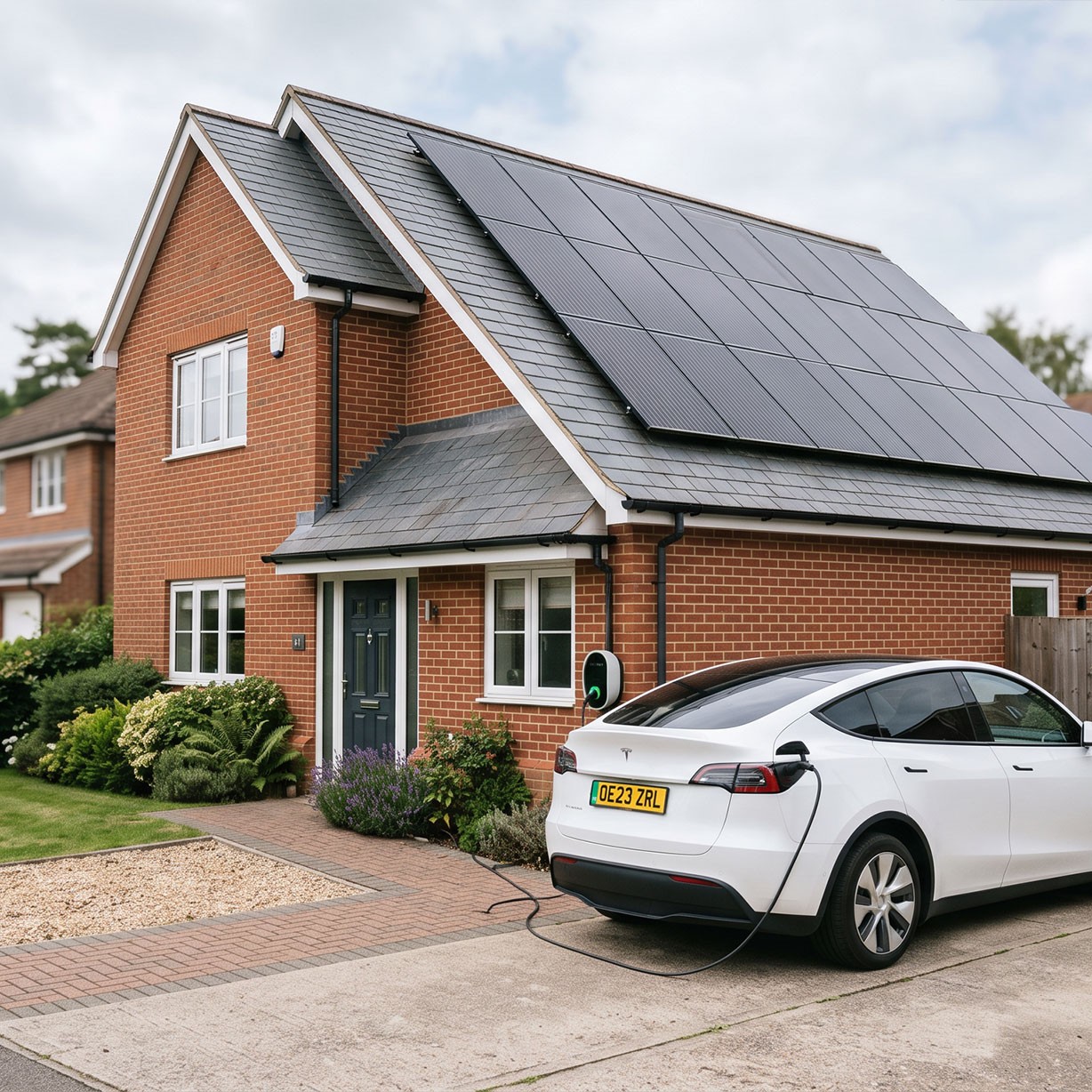
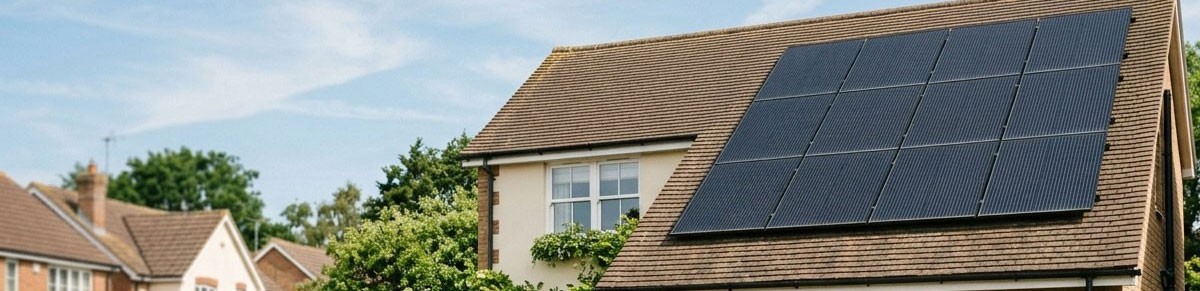
Electric vehicle charger Installation

EV Charger Installation Brentwood

Professional EV charger installation in Brentwood for homeowners, landlords, workplaces and commercial premises.

Whether you need a home EV charger for everyday use, a smart chargepoint for your driveway, or commercial EV charging facilities for staff, visitors or customers, Pure Flux Energy provides safe, professional and future-ready EV charger installation tailored to your property.

As electric vehicles become more common, reliable home and workplace charging is becoming an important part of modern energy infrastructure. Our team can help you choose the right charger, assess your electrical setup and install a solution that works around your vehicle, property and long-term energy plans.

Get a Free Quote

Home EV Charger Installation

Workplace EV Charging

Smart EV Chargers

Solar & Battery Integration

Domestic & Commercial Solutions

Brentwood EV Charging Specialists
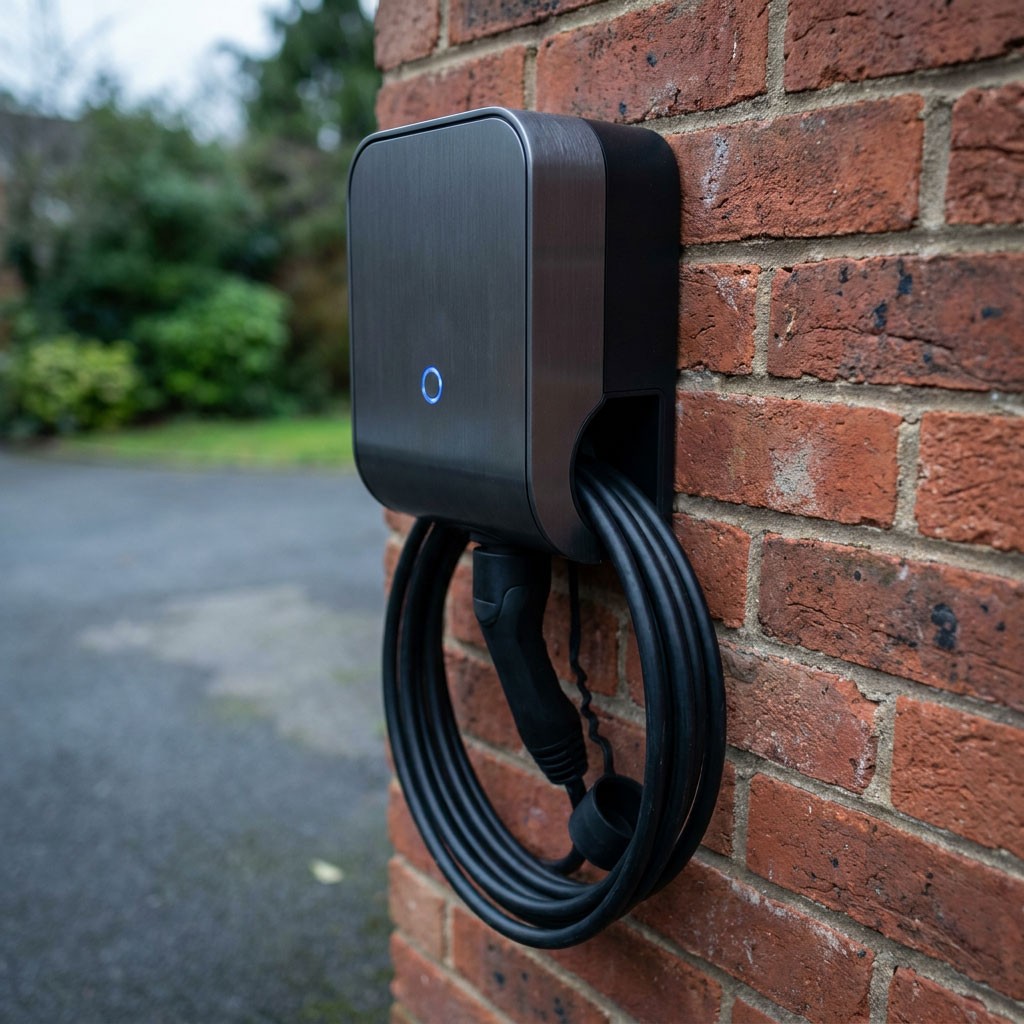
Expert EV Charger Installers in Brentwood

Installing an EV charger at home or work makes electric vehicle ownership easier, faster and more convenient.

Instead of relying entirely on public charging points, a dedicated EV charger gives you the ability to charge your vehicle from your own property, often overnight or during periods that suit your routine.

At Pure Flux Energy, we install EV charging points for homeowners, landlords, businesses and commercial sites throughout Brentwood and the wider Essex area.

Our approach is based on safety, suitability and long-term performance. We assess your property, existing electrical setup, charging requirements and future energy plans before recommending the most appropriate EV charger installation.

Whether you already own an electric vehicle, are preparing to switch, or want to install charging facilities for staff or customers, we provide clear advice and professional installation.

Why Install a Dedicated EV Charger in Brentwood?

A dedicated EV charger is usually safer, faster and more practical than relying on a standard domestic plug socket.

Electric vehicles require a significant amount of electricity. A properly installed EV charging point is designed to provide reliable charging while protecting your property’s electrical system.

A dedicated EV charger can offer:

• Faster charging than a standard plug socket
• Safer charging for regular use
• Smart charging features
• Better control over charging times
• Improved convenience
• Compatibility with off-peak tariffs
• Cleaner cable management
• Better long-term charging reliability
• Solar and battery integration options

For many EV owners in Brentwood, a home charger quickly becomes one of the most useful upgrades to the property.

It allows the vehicle to be charged conveniently while parked at home, reducing the need to rely on public charging unless travelling longer distances.

EV Charger Installation Services in Brentwood

Home EV Chargers

Smart electric vehicle charging points installed for homes, driveways and private parking spaces.

Commercial EV Chargers

EV charging points for offices, retail sites, warehouses, depots and commercial properties.

Solar EV Charging

EV chargers designed to work alongside solar panels and battery storage where suitable.

Charger Replacement

Upgrade older or unsuitable charging points with newer smart EV charging equipment.

Workplace EV Charging

Charging solutions for staff, fleet vehicles, visitors and business premises.

Landlord EV Charging

EV charger installation support for rental properties, flats and shared residential parking areas.

Smart Charging

Modern EV chargers with scheduling, monitoring and app-based controls.

Future-Ready Installations

Systems designed with future vehicles, solar panels, battery storage and higher electricity demand in mind.

What Is a Smart EV Charger?

A smart EV charger connects to the internet and provides more control over how and when your electric vehicle charges.

Smart chargers can help homeowners manage charging around their routine, energy tariff and electricity usage.

Depending on the model and setup, a smart EV charger may allow you to:

• Schedule charging sessions
• Monitor electricity usage
• Track charging history
• Use app-based controls
• Delay charging until off-peak periods
• Integrate with solar generation
• Manage charging around household demand
• Receive software updates
• Improve overall energy efficiency

Smart charging is especially useful for homeowners who want better control over running costs or who are planning a wider home energy system including solar panels and battery storage.

When choosing an EV charger, it is important to consider not only the vehicle you own today, but also your future energy requirements.

Home EV Charger Installation in Brentwood

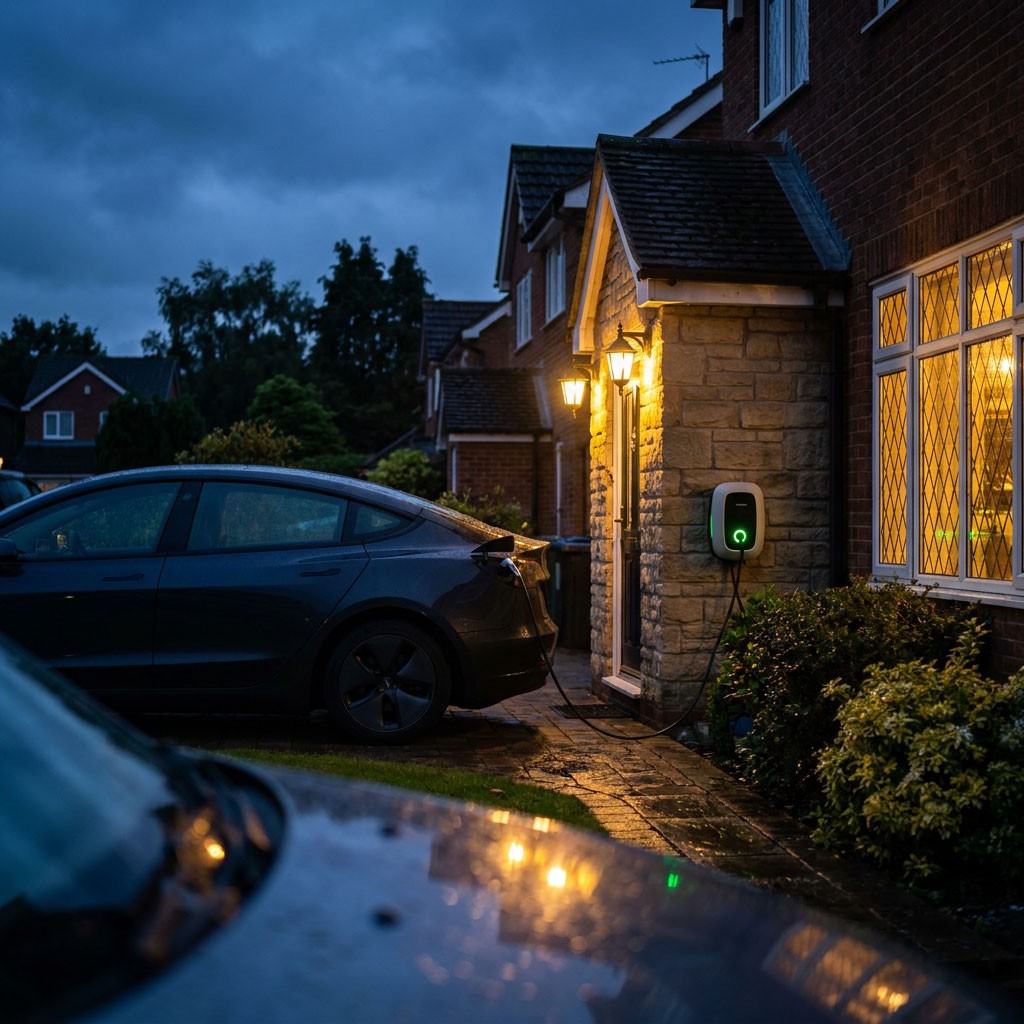
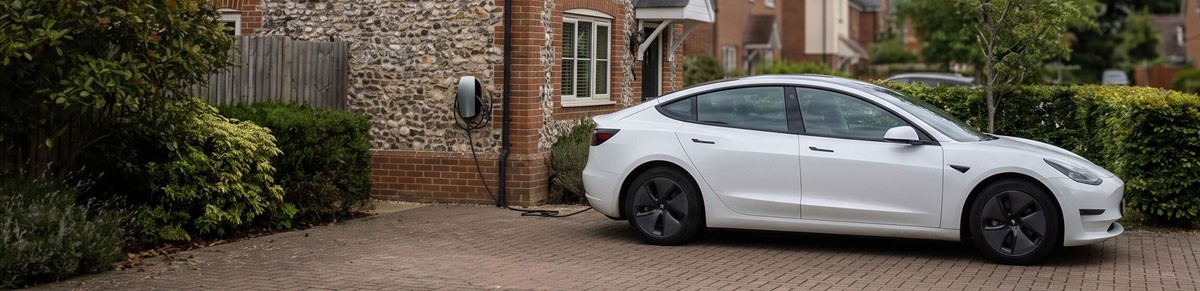
Home EV charging is one of the most convenient ways to own an electric vehicle.

Instead of planning journeys around public chargers, a home charger allows you to charge your vehicle while it is parked on your driveway, garage or private parking space.

A home EV charger may be suitable if:

• You own or lease an electric vehicle
• You have off-street parking
• You want faster home charging
• You want to reduce reliance on public charging
• You want to use smart charging features
• You are considering solar panels or battery storage
• You want to prepare your home for future vehicles

Before installation, the property’s electrical supply, consumer unit, cable route and charger location should be assessed.

This ensures the charger is installed safely and appropriately for regular use.

Pure Flux Energy can assess your home in Brentwood, explain the options and recommend a charger suited to your vehicle and property.

Workplace and Commercial EV Charger Installation in Brentwood

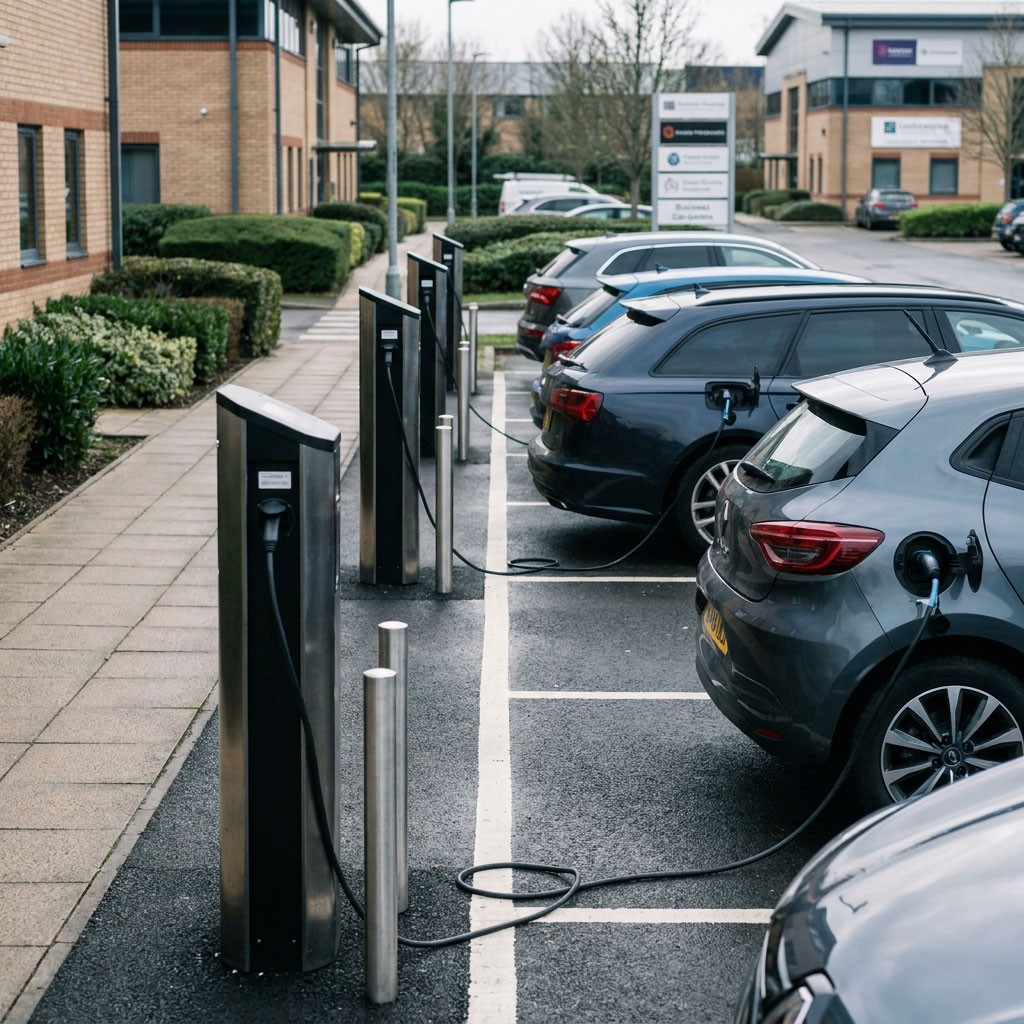
Businesses in Brentwood are increasingly installing EV chargers to support staff, visitors, customers and fleet vehicles.

Commercial EV charging can be suitable for:

• Offices
• Retail premises
• Warehouses
• Industrial units
• Depots
• Hospitality venues
• Residential developments
• Landlord-managed properties
• Staff car parks
• Customer parking areas

Workplace and commercial EV charger installations need careful planning.

Important considerations include:

• Number of charging bays required
• Electrical supply capacity
• User access and billing requirements
• Cable routes and groundworks
• Future expansion
• Charger speed
• Solar panel integration
• Battery storage options
• Staff, visitor or fleet usage
• Ongoing management and monitoring

A well-designed commercial EV charging setup should meet current demand while allowing for future growth as more drivers switch to electric vehicles.

EV Chargers with Solar Panels

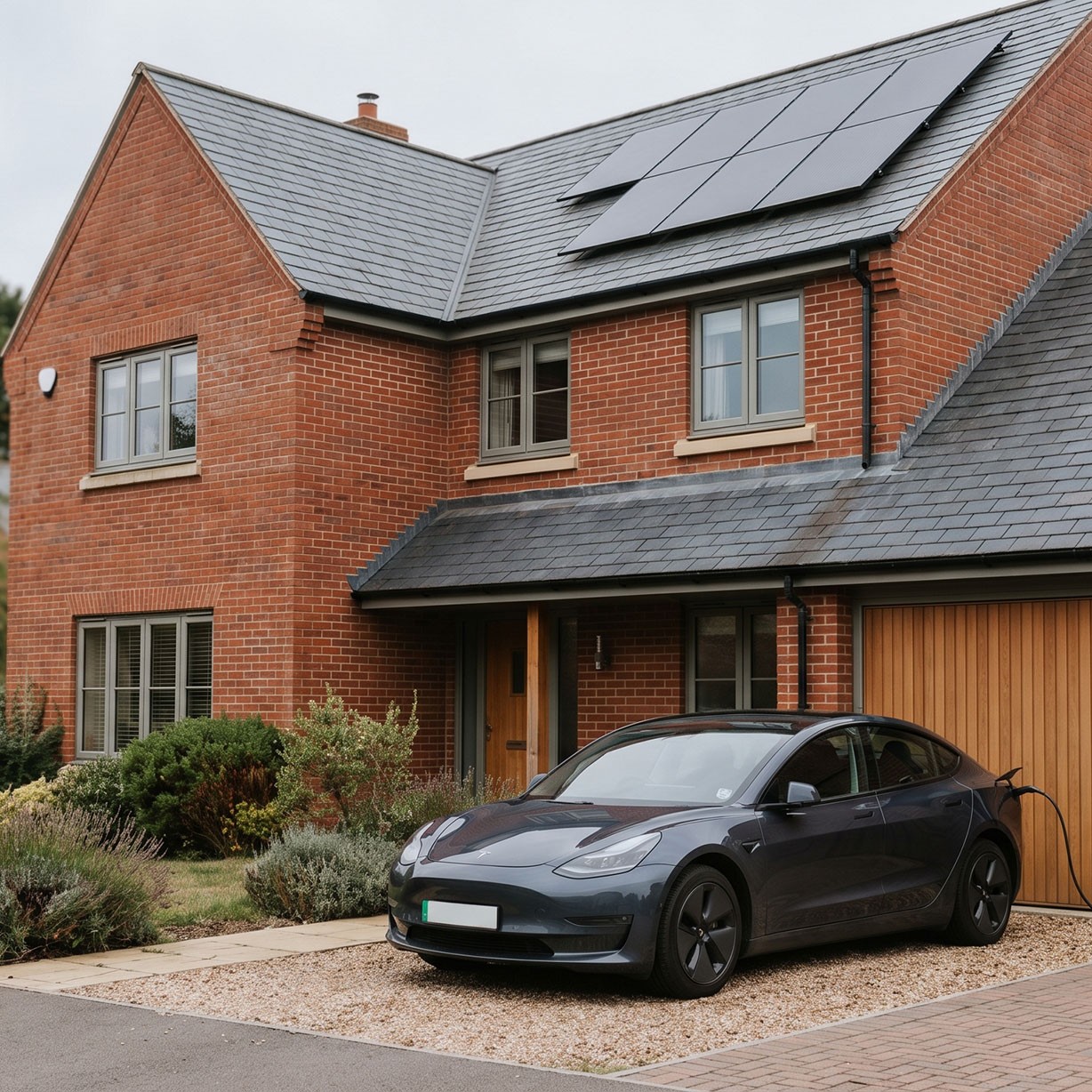
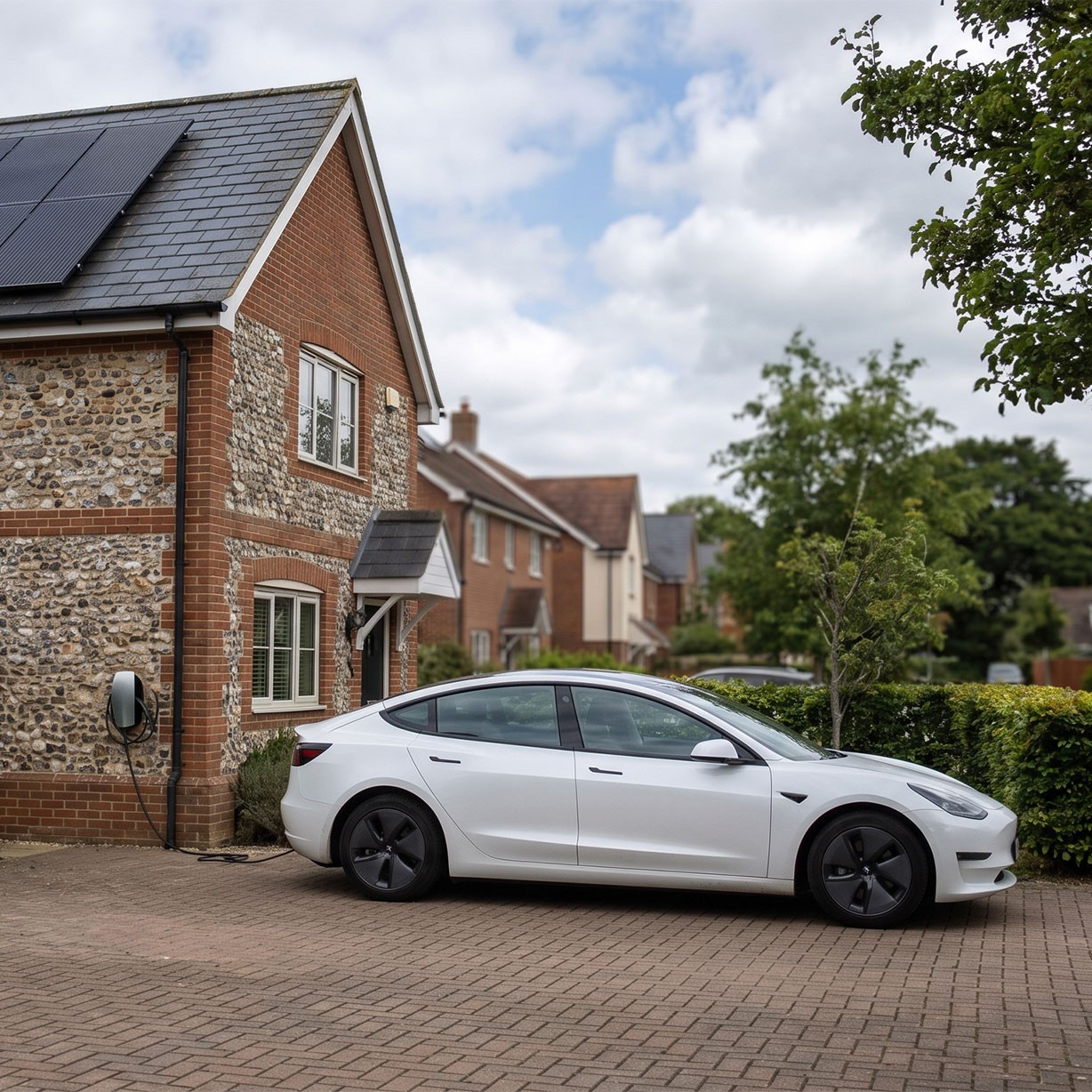
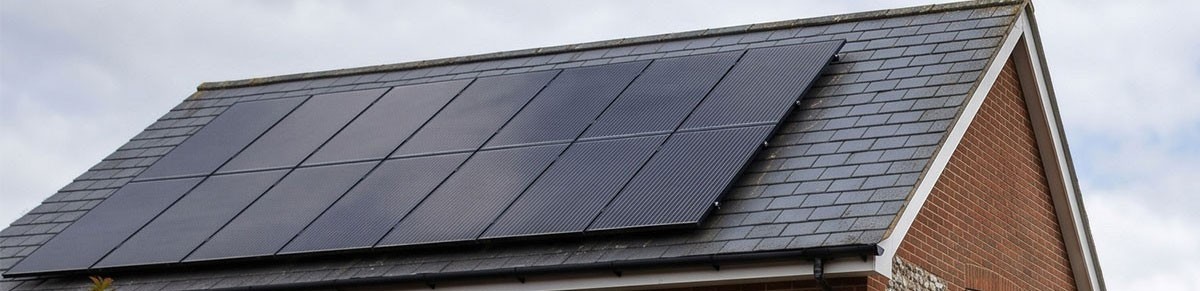
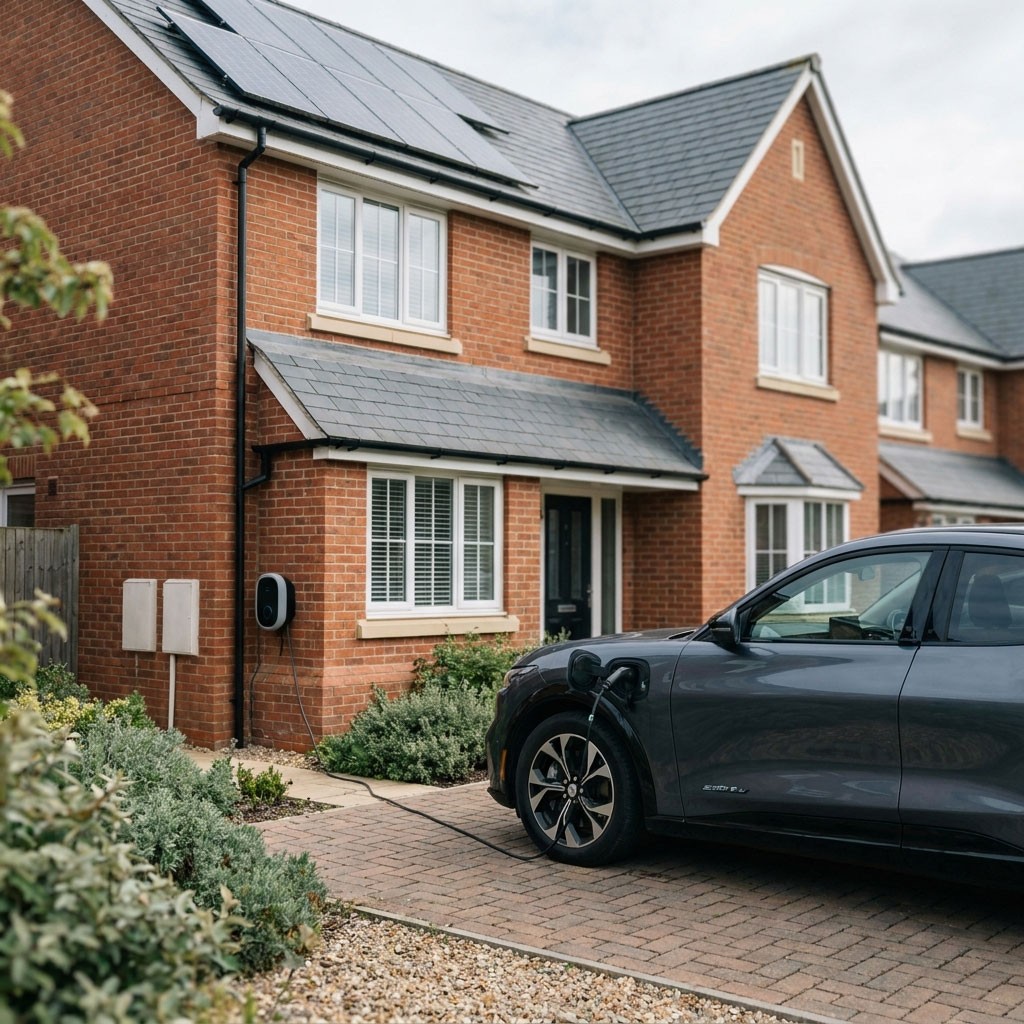
EV chargers and solar panels work extremely well together.

Solar panels generate electricity from daylight, while an EV charger allows that electricity to help charge your vehicle when suitable.

For homeowners with solar panels, EV charging can increase the amount of self-generated electricity used within the property.

For homeowners planning solar panels, it is sensible to consider EV charging at the design stage.

A combined solar and EV charging system can help:

• Reduce grid electricity usage
• Lower charging costs
• Increase solar self-consumption
• Support battery storage
• Improve long-term energy efficiency
• Future-proof the home
• Reduce reliance on public chargers

The best results usually come from designing solar panels, battery storage and EV charging as part of one complete home energy strategy.

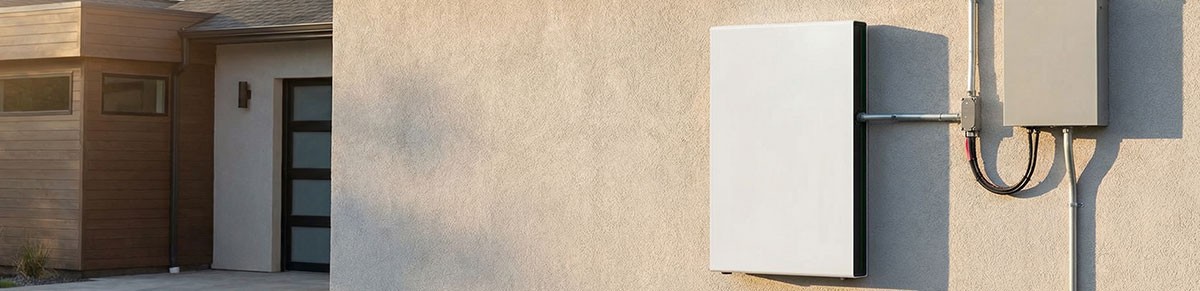
EV Chargers with Battery Storage

Battery storage can help homeowners make better use of solar electricity and support a more flexible EV charging setup.

Solar panels generate electricity during daylight hours, but many people charge their vehicles in the evening or overnight.

A battery can store unused solar electricity generated during the day for later use.

This may help reduce grid electricity usage and increase energy independence.

Battery storage can be useful if:

• Your car is usually charged in the evening
• You are away from home during the day
• You already have solar panels
• You want to store unused solar electricity
• You want to reduce reliance on the grid
• You want a smarter home energy system

However, electric vehicles use a significant amount of electricity, so battery size and expectations must be realistic.

A home battery may support EV charging but may not fully charge a vehicle from empty.

What Type of EV Charger Do I Need?

The right EV charger depends on your vehicle, property, charging habits and future plans.

Important factors include:

Vehicle Type

Different electric vehicles have different charging capabilities and battery sizes.

Charging Speed

Most domestic chargers are designed for regular overnight or daily charging, while commercial sites may need different charging speeds.

Parking Location

The charger should be located where it is convenient, safe and practical to use.

Cable Type

Some chargers are tethered with a fixed cable, while others are untethered and use a separate cable.

Smart Features

App control, scheduling, monitoring and tariff integration may be useful.

Electrical Capacity

The existing electrical supply and consumer unit must be assessed before installation.

Solar Compatibility

If you have or plan to install solar panels, charger compatibility should be considered.

Future Use

The charger should suit not only your current vehicle but also future EV ownership.

Pure Flux Energy can review these factors and recommend a charger that works for your home or business in Brentwood.

Tethered vs Untethered EV Chargers

One of the main choices when installing a home EV charger is whether to choose a tethered or untethered unit.

A tethered EV charger has a fixed cable attached to the charger.

This can be convenient because the cable is always ready to use. You simply plug it into the car when you want to charge.

An untethered EV charger does not have a fixed cable.

Instead, you use a separate charging cable to connect the vehicle. This can create a cleaner appearance and may offer more flexibility if different vehicles use different connectors.

Tethered chargers may suit homeowners who want maximum convenience.

Untethered chargers may suit homeowners who prefer a neater look or want more flexibility.

The best option depends on your vehicle, parking arrangement and personal preference.

Electrical Assessment Before EV Charger Installation

Before installing an EV charger, the property’s electrical system should be assessed.

This helps confirm whether the installation is suitable, safe and compliant.

The assessment may consider:

  • Existing electrical supply
  • Consumer unit condition
  • Earthing arrangements
  • Cable routes
  • Charger location
  • Load management requirements
  • Available capacity
  • Existing solar panels or battery storage
  • Future energy upgrades
  • DNO notification or approval requirements

Some properties may need additional electrical work before a charger can be installed.

This is not unusual, especially for older properties or homes with limited spare electrical capacity.

A professional assessment helps avoid problems and ensures the EV charger is installed safely for regular long-term use.

EV Charger Grants and Eligibility

Some homeowners, renters, flat owners, landlords or businesses may be eligible for EV chargepoint grants or support schemes, depending on current government rules.

Grant eligibility can depend on factors such as:

• Property type
• Ownership or rental status
• Parking arrangements
• Vehicle ownership or lease
• Charger specification
• Installer requirements
• Scheme availability
• Application timing

Grant rules can change over time, so it is important to check the latest guidance before making a decision.

Where grant eligibility applies, the installation may need to meet specific scheme requirements.

Pure Flux Energy can help customers understand the main considerations and advise where further eligibility checks may be required.

Can I Install an EV Charger Without a Driveway?

Installing an EV charger is usually simplest when a property has off-street parking such as a driveway, garage or private parking space.

If you do not have off-street parking, installation may be more complicated.

Important considerations include:

• Where the vehicle is parked
• Whether the cable would cross public land
• Local authority rules
• Pavement safety
• Permission requirements
• Alternative charging options
• Future infrastructure schemes

For properties without a driveway, a standard home charger may not always be possible.

However, options may still exist depending on the property layout and local rules.

The best approach is to assess the parking arrangement before planning the installation.

Our EV Charger Installation Process

Initial Consultation

We discuss your vehicle, property, parking arrangement and charging needs.

1

Property Assessment

We review the proposed charger location, cable route and electrical setup.

2

Charger Recommendation

A suitable EV charger is recommended based on your vehicle, usage and property.

3

Solar and Battery Review

Where relevant, we consider solar panel and battery storage integration.

4

Clear Quotation

You receive a clear quotation explaining the proposed installation and any relevant considerations.

5

Professional Installation

The EV charger is installed safely and neatly by qualified professionals.

6

Setup and Testing

The charger is configured, tested and demonstrated.

7

Customer Handover

We explain how to use the charger, app and smart features.

8

Ongoing Support

Support remains available for future questions, upgrades or additional energy solutions.

9

Why Choose us

Why Choose Pure Flux Energy?

EV charger installation should be simple, safe and properly planned.

At Pure Flux Energy, we understand how EV charging fits into the wider home energy picture.

Many customers are not only installing an EV charger. They are also considering solar panels, battery storage, heat pumps and future electricity demand.

Our team can help design a solution that supports today’s vehicle while preparing your property for tomorrow’s energy requirements.

Why customers choose Pure Flux Energy:

• Home and commercial EV charging knowledge
• Solar panel and battery storage expertise
• Professional installation
• Clear advice on charger options
• Smart charging guidance
• Future-ready energy planning
• Honest recommendations
• Ongoing customer support

The right EV charger should work reliably, look neat and fit naturally into the way you use your vehicle and property.

Home EV Charger Installation

Workplace EV Charging

Smart EV Chargers

Solar & Battery Integration

Domestic & Commercial Solutions

Brentwood EV Charging Specialists
Get a Free Solar Quote

EV Charger Installation Across Essex

Pure Flux Energy provides EV charger installation throughout Brentwood and across Essex for homeowners, landlords, businesses and commercial premises.

Generate energy

Solar Panel Installation Essex

Whether you're looking to reduce household expenses, improve energy efficiency, charge an electric vehicle more affordably or future-proof your home, our experienced solar specialists provide tailored solar energy solutions designed around your property and energy usage.

Find out more

Store Energy

Solar Battery Storage Essex

A solar battery allows you to store electricity generated during the day and use it later when your home needs it most. Whether you already have solar panels or are planning a complete solar panel and battery system, Pure Flux Energy provides tailored battery storage solutions designed around your property.

Find out more

Clear solar pricing

Solar Panel Costs Essex

Clear guidance on solar panel costs in Essex, including what affects installation prices, how battery storage changes the overall investment and how to understand long-term savings.

Find out more

Reduce your travel costs

Solar Panels for Electric Vehicles

Use solar panels to help charge your electric vehicle at home, reduce reliance on grid electricity and create a smarter, more efficient home energy system.

Find out more

Is solar right for you?

Are Solar Panels Worth It?

Solar panels can be one of the most effective long-term home energy investments for homeowners looking to reduce electricity bills, generate their own power and protect against rising energy costs.

Find out more

Solar Panel Installations across Essex

Solar Battery Storage across Essex

Contact Us

Get a Free EV Charger Installation Quote in Brentwood

Thinking about installing an EV charger at home, work or a commercial property?

Pure Flux Energy can assess your property, explain your options and provide a tailored quotation for a safe, professional EV charger installation.

Call us now on:

01234 567890

Reach out to discuss your requirements, ask questions about installation or schedule a consultation. 

By submitting this form, you agree to be contacted regarding your enquiry using the details provided. Please see our Privacy Policy for information about how we handle your data.

EV Charger Installation Brentwood FAQs

How much does EV charger installation cost in Brentwood?

expand_circle_down

The cost of EV charger installation in Brentwood depends on the charger model, installation complexity, cable route, electrical setup and whether any additional work is required.

A straightforward installation on a suitable property with off-street parking will usually be simpler than an installation requiring longer cable runs, consumer unit upgrades or additional electrical work.

Costs can also vary depending on whether you choose a tethered charger, untethered charger, smart charger, solar-compatible charger or a commercial charging solution.

The best way to understand cost is to arrange a property-specific quotation.

A professional installer should assess the proposed charger location, existing electrical system and vehicle requirements before confirming the final price.

Can I install an EV charger at home in Brentwood?

expand_circle_down

Yes, many homeowners in Brentwood can install an EV charger at home if they have suitable parking and a suitable electrical supply.

Home EV charger installation is usually easiest when the property has a driveway, garage or private parking space close to the house.

Before installation, the electrical setup should be assessed to confirm that the property can safely support the charger.

The installer will also consider cable routes, charger location, earthing arrangements, consumer unit condition and any load management requirements.

If the property is suitable, a home EV charger can make electric vehicle ownership much more convenient.

Do I need off-street parking for an EV charger?

expand_circle_down

Off-street parking is usually required for a standard home EV charger installation.

This is because the charging cable needs to connect safely between the property and the vehicle without crossing public pavements or creating hazards.

Driveways, garages and allocated private parking spaces are usually the most suitable locations.

If you do not have off-street parking, the installation may be more complicated and may depend on local authority rules, property layout and available charging options.

A professional assessment can help determine what is possible for your property.

Is a home EV charger better than a 3-pin plug?

expand_circle_down

Yes, a dedicated home EV charger is usually better than using a standard 3-pin plug for regular charging.

A 3-pin plug may be slow and is not designed as the main long-term charging method for most EV owners.

A dedicated EV charger is designed specifically for electric vehicle charging and can offer faster charging, improved safety, smart controls and better reliability.

For regular EV charging, a properly installed chargepoint is usually the recommended option.

How long does it take to charge an electric car at home?

expand_circle_down

Charging time depends on the vehicle battery size, charger output and how much charge the car needs.

A dedicated home EV charger is usually much faster than a standard domestic plug.

Many EV owners charge overnight or during periods when the car is parked for several hours.

Charging does not always mean filling the battery from empty to full.

In daily use, many drivers simply top up the vehicle regularly, similar to charging a phone.

The correct charger and charging routine depend on your driving habits and vehicle.

What is a smart EV charger?

expand_circle_down

A smart EV charger is a chargepoint with connected features that help control and manage charging.

Depending on the charger, smart features may include app control, scheduled charging, energy monitoring, charging history and tariff integration.

Smart chargers can help drivers charge at convenient times and make better use of off-peak electricity tariffs or solar generation.

They are also useful for homeowners who want more visibility over vehicle charging costs and energy usage.

Can an EV charger work with solar panels?

expand_circle_down

Yes, an EV charger can work with solar panels.

Solar panels generate electricity for the property, and that electricity can be used by the EV charger when the vehicle is plugged in and solar generation is available.

Some smart chargers offer features designed to make better use of solar electricity.

The best results usually come from designing the solar panel system, battery storage and EV charger together.

This allows the system to support household electricity use and vehicle charging more efficiently.

Can I charge my electric car with solar power?

expand_circle_down

Yes, solar panels can help charge an electric car.

The amount of charging supported by solar power depends on solar generation, vehicle demand, charging time and whether battery storage is installed.

If the vehicle is plugged in during daylight hours, it may use electricity generated directly from the solar panels.

If the vehicle is charged in the evening or overnight, battery storage may help store solar electricity for later use.

Solar panels may not supply every charge completely, but they can reduce the amount of grid electricity needed.

Do I need battery storage with an EV charger?

expand_circle_down

Battery storage is not essential for EV charging, but it can be useful if you want to make better use of solar electricity.

Many people charge their vehicles in the evening or overnight when solar panels are not generating.

A battery can store unused solar energy produced during the day so it can be used later.

However, electric vehicles have large batteries, so a home battery may only support part of the charging demand.

Whether battery storage is worthwhile depends on your solar generation, charging habits and household electricity usage.

What size EV charger do I need?

expand_circle_down

The right charger depends on your vehicle, property and charging habits.

Many domestic EV chargers are designed for regular home charging and suit overnight or daily use.

Commercial sites may need different charging solutions depending on the number of vehicles, user types and required charging speed.

A professional installer should assess the property’s electrical capacity before recommending a charger.

The charger should suit both your current vehicle and future charging requirements.

Can I install more than one EV charger?

expand_circle_down

Yes, more than one EV charger can be installed where the property’s electrical capacity and layout allow.

This may be suitable for households with multiple electric vehicles or businesses installing staff, visitor or fleet charging.

Multiple chargers require more careful planning because total electrical demand is higher.

Load management may be required to balance charging safely with other property electricity usage.

A site assessment can confirm whether multiple chargers are suitable and how they should be configured.

Do EV chargers need maintenance?

expand_circle_down

EV chargers generally require little maintenance, but they should be used correctly and inspected if any issues appear.

The charger, cable, plug and surrounding installation should be kept in good condition.

If the charger displays faults, charges unusually slowly, overheats, disconnects frequently or shows physical damage, it should be checked by a professional.

Commercial EV chargers may require more regular inspection depending on usage levels and site requirements.

Can businesses install EV chargers for staff and customers?

expand_circle_down

Yes, businesses can install EV chargers for staff, customers, visitors or fleet vehicles.

Commercial EV charging can improve facilities, support sustainability goals and prepare the business for growing electric vehicle adoption.

The installation should be designed around expected usage, available electrical capacity, parking layout and whether charging will be free, paid or restricted to certain users.

Businesses may also want to consider future expansion so more chargers can be added later if demand increases.

Can landlords install EV chargers?

expand_circle_down

Yes, landlords can install EV chargers for rental properties, flats or shared residential parking areas where the site is suitable.

The installation may require additional permissions, planning around parking spaces, user access arrangements and consideration of who pays for electricity.

Some landlord or tenant situations may be eligible for grant support, depending on current rules.

Because rental and shared parking arrangements can be more complex, it is important to assess the property carefully before installation.

Are EV charger grants available?

expand_circle_down

EV charger grants may be available for certain customers, property types or situations, depending on current government schemes.

Eligibility can change, and support may depend on whether the customer is a homeowner, renter, flat owner, landlord or business.

Grant schemes may also require eligible chargepoints, eligible installers and specific application processes.

Because rules can change, customers should check current guidance before assuming support is available.

Pure Flux Energy can help identify where grant eligibility may need to be explored further.

Do EV chargers need planning permission?

expand_circle_down

Most domestic EV charger installations do not require planning permission, but this can depend on the property, location and installation details.

Listed buildings, conservation areas, flats, shared parking, commercial premises or installations affecting public land may require additional checks.

Planning and permission issues should be considered before installation begins.

If the installation is straightforward and entirely within private property, it is usually much simpler.

A professional installer can help identify potential permission issues at an early stage.

Can I choose where the EV charger is installed?

expand_circle_down

In many cases, you can choose the preferred location for your EV charger, but the final position must be practical and safe.

The installer will consider where the car is parked, cable length, electrical supply, weather exposure, access, trip hazards and charger visibility.

The best charger location is usually close to where the vehicle is normally parked.

If the preferred location requires a long or complex cable route, this may affect installation cost.

What is load management for EV charging?

expand_circle_down

Load management helps control how much electricity an EV charger uses in relation to the rest of the property.

This can be important if the property has limited spare electrical capacity or multiple high-demand systems such as solar batteries, heat pumps or multiple EV chargers.

A load management system can reduce charger output when household demand is high, helping protect the electrical supply.

This can be useful for both domestic and commercial EV charging installations.

Can EV chargers be installed with heat pumps and solar panels?

expand_circle_down

Yes, EV chargers can be installed as part of a wider home energy system including solar panels, battery storage and heat pumps.

However, these technologies all affect electricity demand.

A property with an electric vehicle, heat pump and battery system needs careful design to ensure the electrical setup is suitable and future-ready.

Planning these systems together can help avoid unnecessary upgrades later and improve overall energy efficiency.

How do I know which EV charger is best for my vehicle?

expand_circle_down

The best EV charger depends on your vehicle, charging speed, connector type, parking arrangement, energy tariff and whether you want smart features or solar integration.

A professional installer can help compare suitable options and explain the differences between charger types.

The right charger should be safe, convenient, compatible with your vehicle and suitable for long-term use.

It should also fit naturally into the way you charge your car day to day.

How long does EV charger installation take?

expand_circle_down

Many straightforward home EV charger installations can be completed in a single visit, although timing depends on the property and installation complexity.

Long cable routes, consumer unit work, additional electrical upgrades, difficult access or commercial installations may take longer.

Before the installation date, the installer should assess the property and explain what work is required.

A professional installation should include fitting the charger, completing the electrical connection, testing the system and showing the customer how to use the charger and any app-based features.

Can I install an EV charger before buying an electric car?

expand_circle_down

Yes, you can install an EV charger before buying an electric car if you are preparing for future EV ownership.

This can be useful if you are planning to switch vehicles soon or want the property ready before the car arrives.

The charger choice should still be made carefully, considering likely vehicle type, parking arrangement, charging habits and whether you may also install solar panels or battery storage.

If you are unsure which vehicle you will buy, a flexible smart charger may be the most practical option.

Can EV charger installation increase property appeal?

expand_circle_down

An EV charger can make a property more attractive to buyers or tenants who own or plan to own an electric vehicle.

As electric vehicle adoption grows, convenient home charging is becoming a useful feature for many households.

The impact on property appeal depends on the quality of installation, charger location, off-street parking and whether the installation is neat and well documented.

For homeowners, the main benefit is usually convenience and reduced reliance on public charging, with property appeal acting as an additional advantage.

keyboard_arrow_up