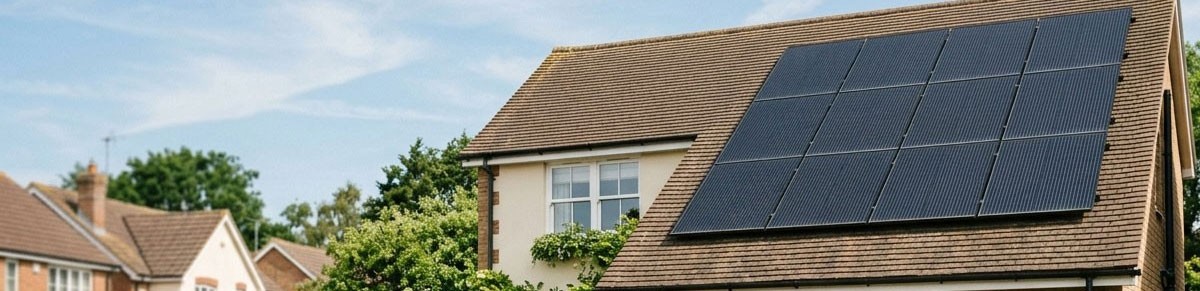
Reduce your travel costs

Solar Panels for Electric Vehicles

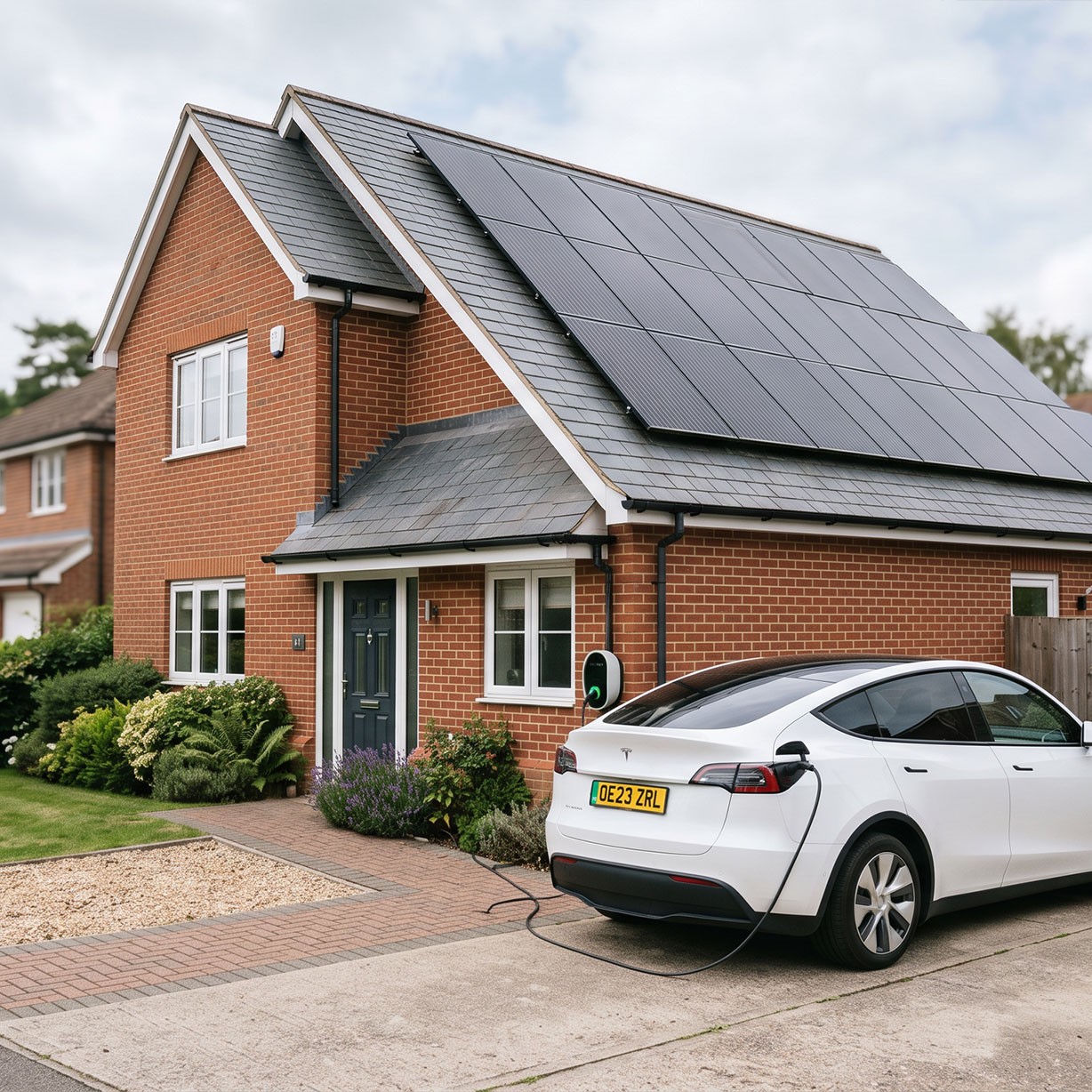
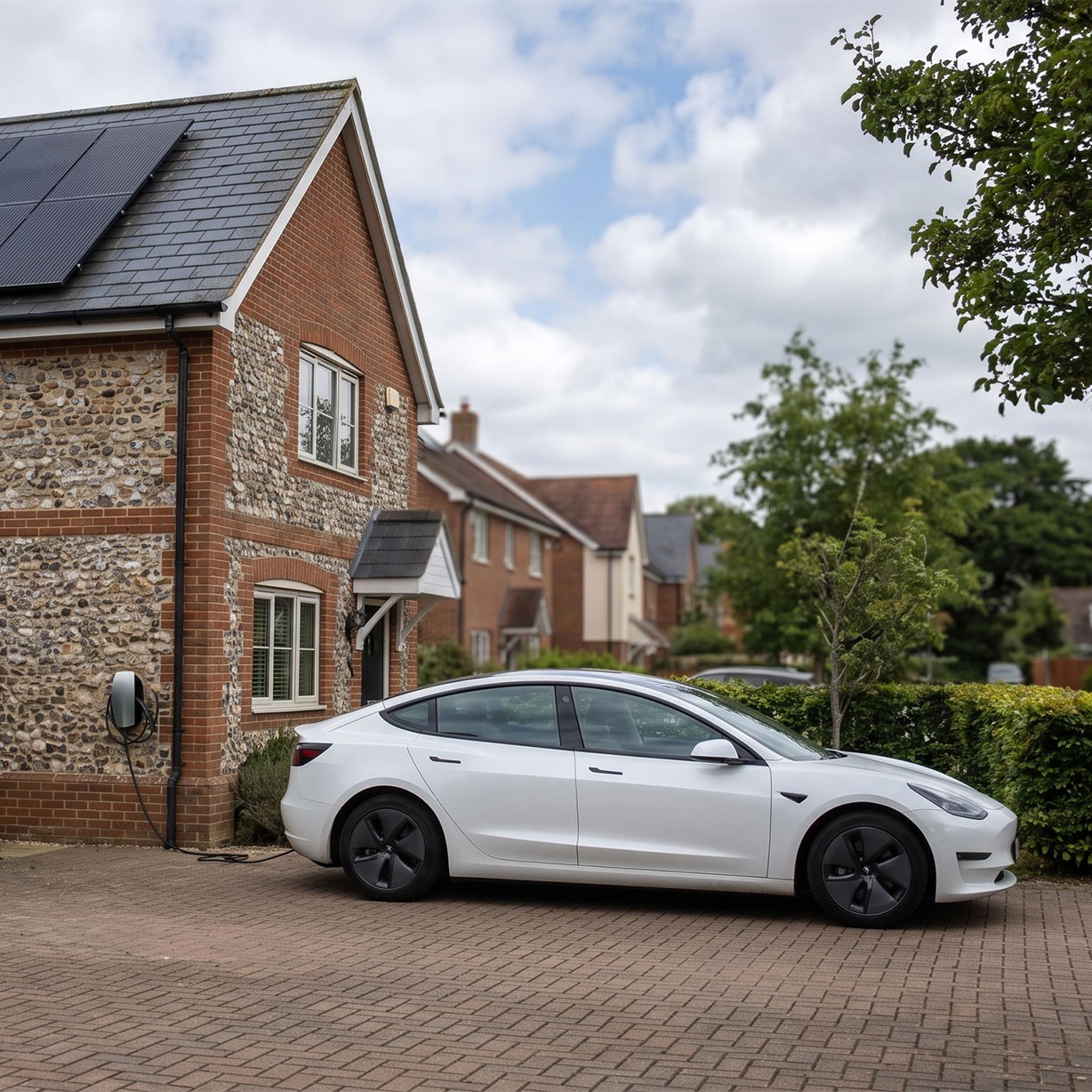
Use solar panels to help charge your electric vehicle at home, reduce reliance on grid electricity and create a smarter, more efficient home energy system.

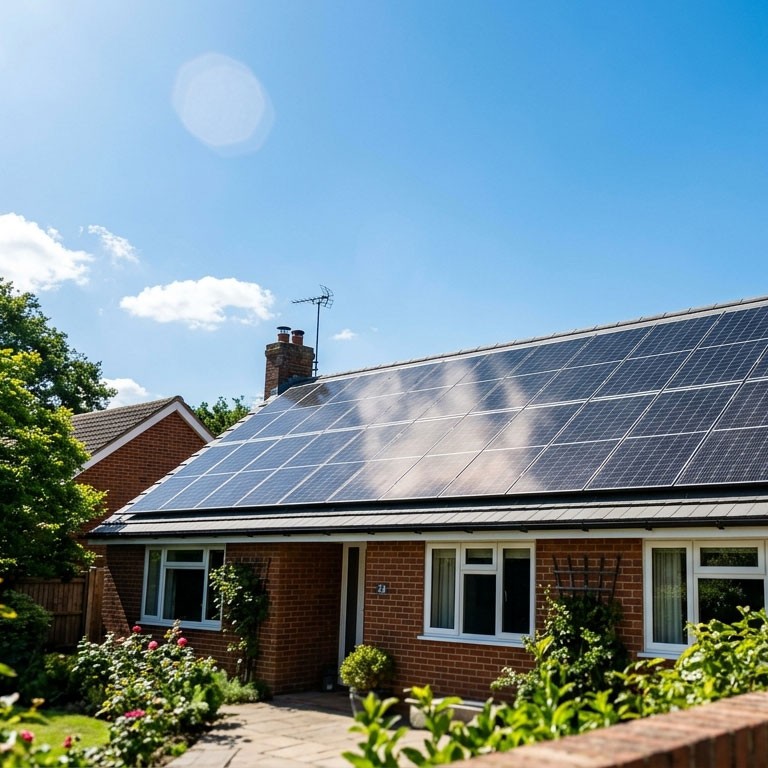
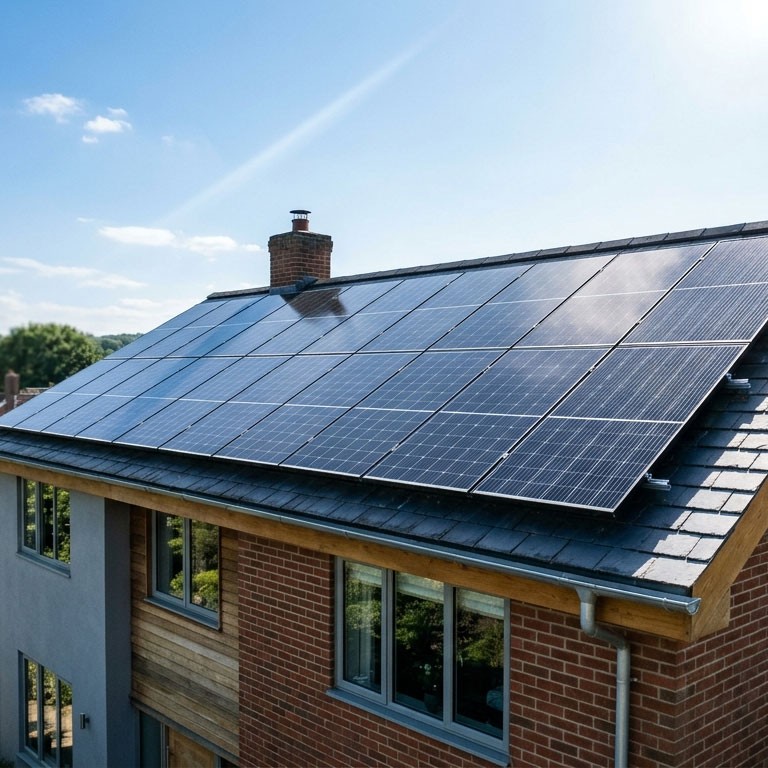
Electric vehicles can significantly increase household electricity usage. By installing solar panels, homeowners can generate their own electricity during daylight hours and use that energy to help power their home and electric vehicle. When combined with battery storage and smart charging, solar panels can make EV ownership more cost-effective, more efficient and better prepared for the future.

Get a Free Solar Quote

Solar Panels for EV Owners

Home EV Charging Support

Solar Battery Storage Options

Lower Charging Costs

Tailored System Design

Essex Solar Specialists
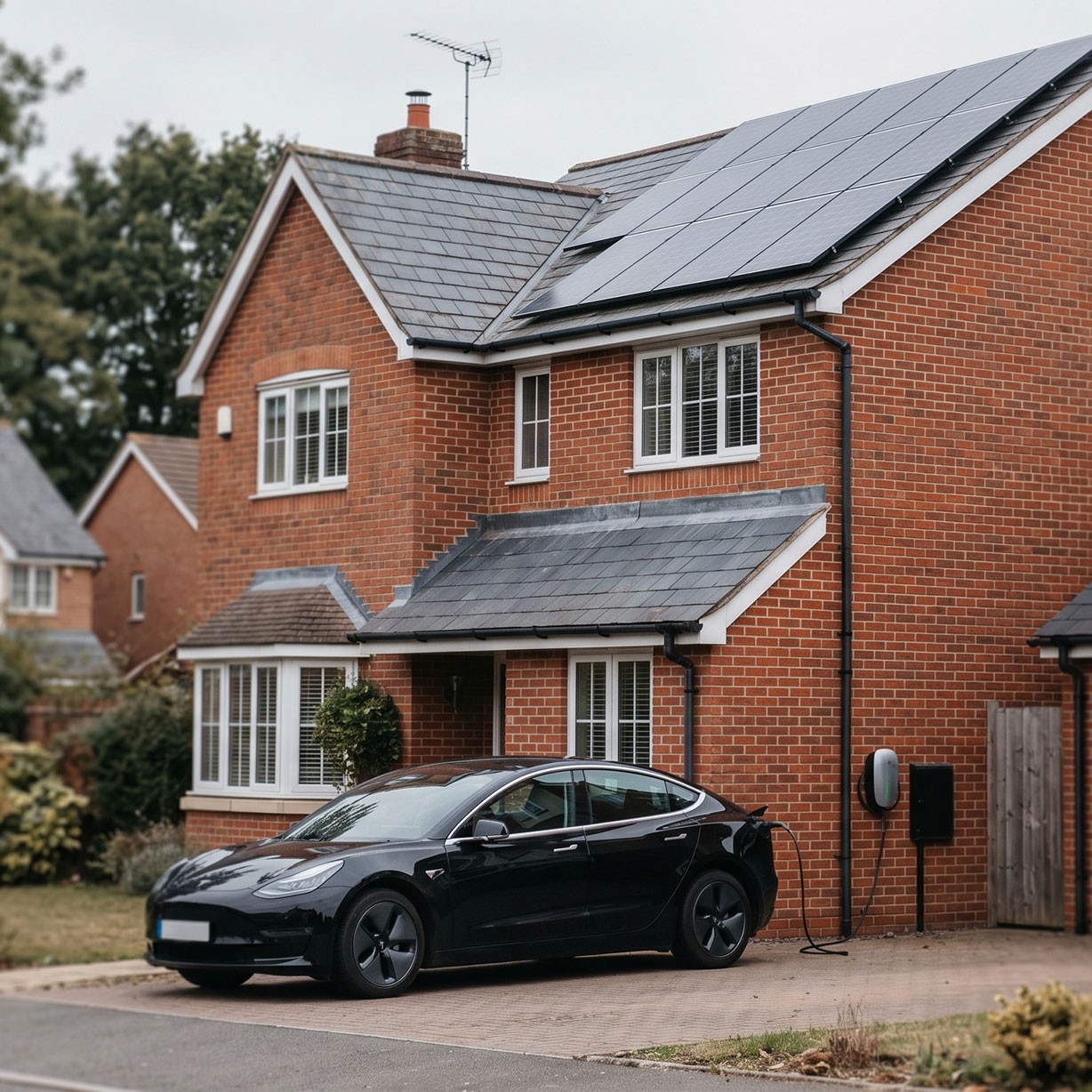
Can Solar Panels Charge an Electric Vehicle?

Yes, solar panels can help charge an electric vehicle at home.

In a typical domestic setup, solar panels generate electricity for the whole property. That electricity can be used by appliances, lighting, home office equipment and an electric vehicle charger when the car is plugged in.

Solar panels do not usually charge the vehicle through a completely separate system. Instead, they generate electricity for the home, and the EV charger can use that electricity when solar generation is available.

This means the more solar electricity your home can use directly, the greater the potential benefit.

For electric vehicle owners, solar panels can be especially valuable because EV charging increases household electricity demand. A well-designed solar panel system can help reduce how much grid electricity is needed for charging, especially when combined with battery storage or smart charging habits.

At Pure Flux Energy, we help homeowners across Essex design solar panel and battery systems that support EV charging, household energy usage and long-term savings.

Why Solar Panels Make Sense for EV Owners

Electric vehicles are cheaper to run than many petrol or diesel vehicles, but they still need electricity to charge.

When you charge an EV at home using grid electricity, your household electricity usage increases. This can make solar panels more attractive because your home has more opportunity to use the electricity generated from your roof.

Solar panels can help EV owners by:

  • Generating electricity at home
  • Reducing reliance on grid electricity
  • Supporting lower-cost home charging
  • Increasing the value of a solar installation
  • Reducing exposure to future electricity price rises
  • Supporting battery storage and smart charging
  • Improving overall household energy efficiency
  • Helping create a future-ready home energy system

For many electric vehicle owners, solar panels are not just an environmental upgrade. They are a practical way to make home charging more efficient and reduce long-term electricity costs.

Find out more
Why choose solar panels when you have an electric vehicle

Benefits of Solar Panels for Electric Vehicle Owners

Lower EV Charging Costs

Use self-generated solar electricity to help reduce how much grid electricity is needed for charging.

Smarter Home Energy Use

Combine solar panels, battery storage and EV charging as part of one efficient home energy system.

Greater Energy Independence

Reduce reliance on energy suppliers by generating more electricity from your own property.

Better Solar ROI

EV charging increases electricity demand, which can help homeowners use more of the energy their panels generate.

Battery Storage Compatibility

Store unused solar electricity and use it later for household energy demand or EV charging support.

Future-Proof Your Home

Prepare your property for growing electricity demand from electric vehicles, smart technology and renewable heating.

Reduced Carbon Impact

Use renewable electricity generated from your own roof to help support cleaner driving.

Long-Term Savings

A well-designed solar system can continue generating electricity for decades.

How solar ev charging works

How Solar EV Charging Works

Solar EV charging works by using electricity generated from your solar panels to support your home and vehicle charging.

During daylight hours, solar panels generate electricity. Your home uses that electricity first. If your electric vehicle is plugged in and charging while solar energy is available, some of that electricity can help charge the car.

A typical solar and EV charging setup may include:

  • Solar panels generating electricity
  • An inverter converting the electricity for household use
  • A home EV charger
  • Optional solar battery storage
  • Monitoring software or smart charging controls
  • Grid connection for additional electricity when needed

If the solar panels are generating less electricity than the car or home requires, the system can draw additional electricity from the grid.

If the solar panels generate more electricity than the home needs, the surplus may be stored in a battery or exported to the grid.

The best results come from designing the solar panel system around your home energy usage and EV charging habits.

Can Solar Panels Fully Charge an Electric Car?

Solar panels can help charge an electric car, but whether they can fully charge it depends on several factors.

These include:

  • The size of the solar panel system
  • The amount of electricity the car needs
  • How often the car is charged
  • Whether the car is at home during daylight hours
  • Battery storage capacity
  • Household electricity usage
  • Roof size and panel output
  • Weather and seasonal generatio

An electric vehicle can use a large amount of electricity, especially if it is driven frequently or charged from a low battery.

For this reason, most homeowners should think of solar panels as reducing the cost of EV charging rather than guaranteeing that every mile will be powered entirely by solar.

However, a correctly designed system can make a meaningful difference.
If your car is often parked at home during the day, solar electricity can be used directly for charging. If the car is mainly charged in the evening, battery storage or smart charging arrangements may help improve overall efficiency.

Daytime EV Charging with Solar Panels

Daytime charging usually gives homeowners the best opportunity to use solar electricity directly.

If your electric vehicle is plugged in while your solar panels are generating, the charger can use available electricity from the home system.

This can be useful for:

  • People who work from home
  • Retired homeowners
  • Households with a second vehicle
  • Weekend charging
  • Flexible working patterns
  • Low-mileage drivers
  • Homes with daytime electricity use
Daytime charging can improve solar self-consumption because more of the electricity generated by the panels is used immediately within the home.

The more solar electricity used directly, the less electricity may need to be imported from the grid.

For EV owners who can charge during daylight hours, solar panels can be a particularly strong investment.
Charging electric vehicles with solar panels
Charging electric vehicle with solar batteries

EV Charging with Solar Battery Storage

Many electric vehicle owners charge their vehicles in the evening or overnight. This is when solar panels are producing little or no electricity.

Battery storage can help by storing unused solar electricity generated during the day for later use.

A solar battery can support EV owners by:

  • Storing excess solar energy
  • Reducing evening grid electricity usage
  • Supporting home energy demand after sunset
  • Making better use of daytime solar generation
  • Improving energy independence
  • Supporting a more complete home energy system

However, EVs require significant energy, so battery size and expectations must be considered carefully.

A home battery may not fully charge an electric vehicle from empty, but it can help reduce the amount of grid electricity needed.

The best system design depends on your vehicle, mileage, charging habits, electricity usage and property.

Find out more

Do I Need a Special EV Charger for Solar Panels?

You do not always need a special EV charger to use solar electricity, but a smart EV charger can help improve efficiency.

A standard EV charger may charge the vehicle using electricity available from the property and the grid.

A smart charger may provide more control by helping manage when and how charging takes place.

Depending on the charger and system configuration, smart charging may help homeowners:

  • Charge when solar generation is available
  • Reduce grid imports where possible
  • Monitor charging behaviour
  • Coordinate charging with battery storage
  • Avoid unnecessary peak usage
  • Improve overall energy management
The right charger depends on your vehicle, property, existing electrical setup and solar system design.

If you are planning solar panels and EV charging together, it is important to consider charger compatibility early in the design process.
EV Chargers for solar panels
Saving with ev solar panels

How Much Can Solar Panels Save EV Owners?

Solar panel savings for EV owners depend on how much electricity the vehicle uses and how much solar electricity can be used for charging.

The more charging that can be supported by self-generated electricity, the greater the potential saving.

Savings depend on:

  • Vehicle mileage
  • Charging frequency
  • Charger type
  • Solar panel system size
  • Battery storage
  • Daytime charging habits
  • Electricity tariff
  • Household energy usage
  • Seasonal solar generation

EV owners often have higher electricity usage than households without electric vehicles. This can improve the value of a solar panel system because more electricity can potentially be used within the home.

However, savings should always be estimated realistically.

A professional assessment should consider your vehicle, charging routine, electricity bills and roof potential before projecting likely savings.

Find out more

Solar Panel System Design for EV Owners

Solar panel systems for EV owners should be designed differently from systems for households without electric vehicles.

This is because EV charging can significantly increase electricity demand.

A good system design should consider:

  • Current household electricity usage
  • Expected EV charging demand
  • Whether the car is charged during the day or overnight
  • Roof space and solar generation potential
  • Battery storage requirements
  • Charger compatibility
  • Future vehicle plans
  • Potential heat pump installation
  • Smart monitoring requirements
  • Long-term energy goals
The system should not be based only on current electricity bills if you have recently bought or are planning to buy an electric vehicle.

Future energy demand matters.

A correctly designed system can help support both household electricity and EV charging without overselling unnecessary equipment.
ev charging system design
solar ev charging

Solar Panels Without a Battery for EV Owners

Solar panels can still be useful for EV owners without battery storage.

This is especially true if the vehicle can be charged during daylight hours.

Without a battery, solar electricity is used as it is generated. If the car is plugged in during the day, some of that energy may support charging.

Solar panels without a battery may be suitable if:

  • The car is often at home during the day
  • You work from home
  • You have flexible charging habits
  • You want to reduce upfront cost
  • You plan to add battery storage later
  • Your household uses electricity during daylight hours
However, if the vehicle is mainly charged at night, solar panels without battery storage may still reduce household energy costs but may have less direct impact on EV charging.

In that situation, battery storage may be worth considering.

Find out more

Solar Panels with Battery Storage for EV Owners

Combining solar panels, battery storage and EV charging can create a more complete home energy system.

The solar panels generate electricity during daylight hours. The battery stores unused electricity. The EV charger uses electricity when the vehicle is plugged in.

Together, these technologies can help reduce reliance on the grid and improve control over household energy usage.

This combination may be especially useful for:

  • Higher mileage EV owners
  • Homes with evening charging habits
  • Families with multiple vehicles
  • Households with higher electricity demand
  • Homeowners planning future energy upgrades
  • People wanting greater energy independence

The key is correct sizing.

A system that is too small may not meet expectations. A system that is too large may cost more than necessary.

A proper design process should balance solar generation, battery capacity, EV charging needs and household usage.
solar storage for ev charging

Is Solar EV Charging Right for My Home?

Solar EV charging may be suitable if your property has enough usable roof space and your household uses enough electricity to benefit from the system.

It may be particularly suitable if:
  • You own an electric vehicle
  • You plan to buy an electric vehicle
  • You charge at home
  • You work from home or have daytime charging opportunities
  • You want to reduce charging costs
  • You are considering battery storage
  • Your electricity bills are increasing
  • You want to future-proof your home
  • Your roof has good solar potential
It may be less suitable if:
  • Your roof is heavily shaded
  • You have very limited roof space
  • You rarely charge at home
  • You plan to move very soon
  • Your electricity usage is very low
  • Planning or roof condition issues apply

The best way to understand suitability is through a property and energy assessment.

Find out more
future proofing with solar ev chargers

Solar Panels for Future EV Ownership

Even if you do not currently own an electric vehicle, it may still be sensible to consider future EV charging when designing a solar panel system.

Many homeowners are planning to switch to electric vehicles in the coming years.

If your solar system is designed only around current electricity usage, it may not fully account for future demand.

Planning ahead can help with:

  • Choosing a suitable system size
  • Considering battery storage
  • Allowing for future EV charger installation
  • Improving long-term value
  • Avoiding unnecessary redesign later
  • Building a more future-ready home

A good solar design should consider not only how your home uses energy today, but how it may use energy in five or ten years.

This is especially important for households likely to add EVs, heat pumps, home offices or other electrical upgrades.

Solar Panels, EV Charging and Installation Quality

Installation quality matters when combining solar panels and EV charging.

The system needs to be safely designed, correctly installed and properly integrated with the property’s electrical setup.

Important considerations include:

  • Electrical capacity
  • Consumer unit suitability
  • Charger location
  • Solar inverter compatibility
  • Battery storage integration
  • Cable routes
  • Monitoring setup
  • Safety protection
  • Future upgrade options
A professional installer should explain how the system works and how the different components interact.

The aim is to create a system that is safe, efficient, reliable and easy to use.

Poor design can reduce savings, limit future flexibility or create avoidable complications.

Find out more
solar electric vehicle charger installation

Our Solar EV Charging Assessment Process

Initial Consultation

We discuss your property, vehicle, electricity usage and charging habits.

1

Energy Usage Review

We assess your household electricity use and how EV charging affects demand.

2

Roof Assessment

Roof size, orientation, pitch, shading and installation access are reviewed.

3

EV Charging Review

We look at when and how you charge your vehicle and whether this aligns with solar generation.

4

Battery Storage Assessment

Battery options are considered where they may improve savings or energy independence.

5

System Design

A tailored solar panel system is designed around your home, EV charging needs and future plans.

6

Clear Quotation

You receive a clear proposal explaining the recommended system and installation approach.

7

Professional Installation

Your solar system is installed and commissioned by experienced professionals.

8

Ongoing Support

We remain available to help you understand system performance, monitoring and future upgrades.

9

Why Choose Pure Flux Energy?

Pure Flux Energy helps homeowners design solar panel and battery systems that support modern energy usage, including electric vehicle charging.

We understand that EV owners often have different energy requirements from standard households.

Our approach is based on careful system design, honest advice and long-term performance.

Why homeowners choose Pure Flux Energy:

  • Solar panel and battery expertise
  • EV charging awareness
  • Tailored system design
  • Honest savings guidance
  • Professional installation
  • Clear explanation of options
  • Support for future upgrades
  • Long-term customer support

The best solar system for an electric vehicle owner is not simply the largest system available.

It is the system that is correctly designed around your home, your vehicle, your charging habits and your future energy requirements.

Contact Us

Get a Free Solar Quote for EV Charging

Thinking about using solar panels to help charge your electric vehicle?

Pure Flux Energy can assess your property, review your EV charging habits and design a solar panel or battery storage system tailored to your home.

Call us now on:

01268 857722

Reach out to discuss your requirements, ask questions about installation or schedule a consultation. 

Related Guides

Generate energy

Solar Panel Installation Essex

Whether you're looking to reduce household expenses, improve energy efficiency, charge an electric vehicle more affordably or future-proof your home, our experienced solar specialists provide tailored solar energy solutions designed around your property and energy usage.

Find out more

Store Energy

Solar Battery Storage Essex

A solar battery allows you to store electricity generated during the day and use it later when your home needs it most. Whether you already have solar panels or are planning a complete solar panel and battery system, Pure Flux Energy provides tailored battery storage solutions designed around your property.

Find out more

Clear solar pricing

Solar Panel Costs Essex

Clear guidance on solar panel costs in Essex, including what affects installation prices, how battery storage changes the overall investment and how to understand long-term savings.

Find out more

How much can you save?

Solar Panel Savings

Understand how much solar panels can save, what affects your return and how solar battery storage can help homeowners use more of their own electricity.

Find out more

Is solar right for you?

Are Solar Panels Worth It?

Solar panels can be one of the most effective long-term home energy investments for homeowners looking to reduce electricity bills, generate their own power and protect against rising energy costs.

Find out more

Solar Panels for Electric Vehicles FAQs

Can solar panels charge an electric car?

expand_circle_down

Yes, solar panels can help charge an electric car by generating electricity that can be used by your home EV charger. In most domestic installations, solar panels supply electricity to the property rather than charging the vehicle through a separate direct connection. When your solar panels are generating electricity and your vehicle is plugged in, available solar electricity can be used for charging. If additional power is required, electricity may be imported from the grid. Solar panels can therefore help reduce reliance on grid electricity for EV charging, particularly during daylight hours.

Can I charge my electric car only with solar panels?

expand_circle_down

It may be possible to charge an electric car using only solar electricity at certain times, depending on system size, weather conditions, vehicle battery capacity and charging habits. Solar panels generate electricity during daylight hours and output varies throughout the year. For many homeowners, solar panels help reduce the amount of grid electricity required for charging rather than replacing it completely. Battery storage can provide additional flexibility by storing unused solar electricity for later use.

How many solar panels do I need to charge an electric car?

expand_circle_down

The number of solar panels required depends on your vehicle, annual mileage, charging habits, household electricity usage and available roof space. A professional assessment can recommend the most suitable system size based on your property and energy demand.

Is solar EV charging worth it?

expand_circle_down

Solar EV charging can be worthwhile for many homeowners because electric vehicles increase household electricity demand. The overall benefit depends on your roof, energy usage, charging habits and long-term plans.

Do I need a battery to charge an EV with solar panels?

expand_circle_down

No, a battery is not essential. An electric vehicle can use electricity generated by solar panels during daylight hours. Battery storage can provide additional flexibility by storing unused electricity for use later in the day.

Can a solar battery fully charge my electric car?

expand_circle_down

A home battery may contribute to charging an electric vehicle, but whether it can fully charge the car depends on the size of both the battery storage system and the vehicle battery. In many cases, a battery helps reduce grid electricity usage rather than replacing it entirely.

Can I charge my EV at night using solar energy?

expand_circle_down

Solar panels do not generate electricity at night, but battery storage can retain electricity generated during the day for later use. Whether this can support overnight charging depends on battery capacity and household energy demand.

Is it better to charge an EV during the day with solar panels?

expand_circle_down

Charging during the day allows an electric vehicle to use solar electricity while it is being generated. This can increase self-consumption and reduce reliance on grid electricity.

Can I use solar panels with any EV charger?

expand_circle_down

Solar panels can work alongside many EV chargers, although smart charger compatibility can provide greater control and efficiency. The best setup depends on the charger, inverter, battery storage and electrical installation.

Do solar panels reduce EV charging costs?

expand_circle_down

Yes, solar panels can help reduce EV charging costs by generating electricity that can be used by the home charger. The amount saved depends on charging habits and how much electricity is generated and used on-site.

Can solar panels charge two electric vehicles?

expand_circle_down

Yes, solar panels can support charging for two electric vehicles, although system design becomes increasingly important. Vehicle mileage, charging frequency and roof space should all be considered when sizing the system.

What happens if my car is not at home during the day?

expand_circle_down

If your car is away during daylight hours, solar panels can still power your home and reduce electricity bills. Battery storage may also allow some of the generated electricity to be used later for EV charging.

Can I add solar panels after installing an EV charger?

expand_circle_down

Yes, solar panels can usually be installed after an EV charger. The existing electrical setup and charger compatibility should be reviewed as part of the design process.

Can I add an EV charger after installing solar panels?

expand_circle_down

Yes, an EV charger can often be added after solar panels have been installed. Existing generation capacity and future electricity demand should be considered when selecting the charger and any battery storage.

Are solar panels worth it if I only drive short distances?

expand_circle_down

Yes, solar panels can still be worthwhile for low-mileage drivers because they can reduce overall household electricity costs. The value of the system should be assessed based on both home energy usage and vehicle charging demand.

Are solar panels worth it for high-mileage EV drivers?

expand_circle_down

Solar panels can be particularly beneficial for high-mileage EV drivers because charging demand is greater. A larger system or battery storage may be appropriate depending on roof space and electricity usage.

Can solar panels support future EV ownership?

expand_circle_down

Yes, solar panels can be designed with future electric vehicle ownership in mind. Planning ahead can help ensure the system is suitable for increased electricity demand in the years ahead.

Do I need planning permission for solar panels and EV charging?

expand_circle_down

Most domestic solar panel installations and EV chargers do not require planning permission, although some properties may require additional checks. Requirements can vary depending on the property and location.

Can solar panels and EV charging work with a heat pump?

expand_circle_down

Yes, solar panels, EV charging and heat pumps can work together as part of a wider home energy strategy. System design should account for the combined electricity demand of all technologies.

How do I know if my home is suitable for solar EV charging?

expand_circle_down

Suitability depends on factors such as roof space, shading, electricity usage, vehicle charging habits and electrical capacity. A professional assessment can determine the most appropriate system for your home.

keyboard_arrow_up