Energy-Efficient Heating

Heat Pump Installation Essex

Professional heat pump installation across Essex, helping homeowners improve heating efficiency, reduce reliance on fossil fuels and prepare their properties for a cleaner energy future.

Whether you're replacing an ageing gas boiler, moving away from oil or LPG heating, renovating your property or planning a complete renewable energy upgrade, Pure Flux Energy provides tailored heat pump solutions designed around your home's heating requirements.

Our approach focuses on proper system design, energy efficiency and long-term performance, ensuring your heating system is suited to your property rather than relying on a standard, one-size-fits-all installation.

Get a Free Heat Pump Quote

Air Source Heat Pump Solutions

Heating & Hot Water Systems

Property Heat Loss Assessments

Renewable Heating Solutions

Solar Panel Integration

Grant & Funding Guidance
Expert Heat Pump Installation in Essex

Heating your home efficiently is becoming increasingly important as households look for ways to manage energy costs, improve comfort and reduce their reliance on traditional fossil fuel heating.

Heat pumps offer an alternative to conventional gas and oil boilers by transferring naturally occurring heat from the surrounding environment into your home.

Rather than burning fuel to generate heat, a heat pump uses electricity to move heat, allowing a correctly designed system to provide several units of heat for each unit of electricity consumed.

At Pure Flux Energy, we help homeowners throughout Essex explore and install efficient heat pump systems designed around their property, existing heating infrastructure and household requirements.

Every property is different. A modern, well-insulated home may have very different heating requirements from an older property with traditional radiators or higher heat loss.

That is why we focus on understanding the building first, reviewing insulation, heat loss, heating demand, radiator suitability and hot water requirements before recommending the most appropriate solution.

Whether you're replacing your existing boiler or incorporating heat pumps alongside solar panels and battery storage, we can help you understand the options and plan an efficient home energy system.

What is an Air Source Heat Pump?

What Is a Heat Pump and How Does It Work?

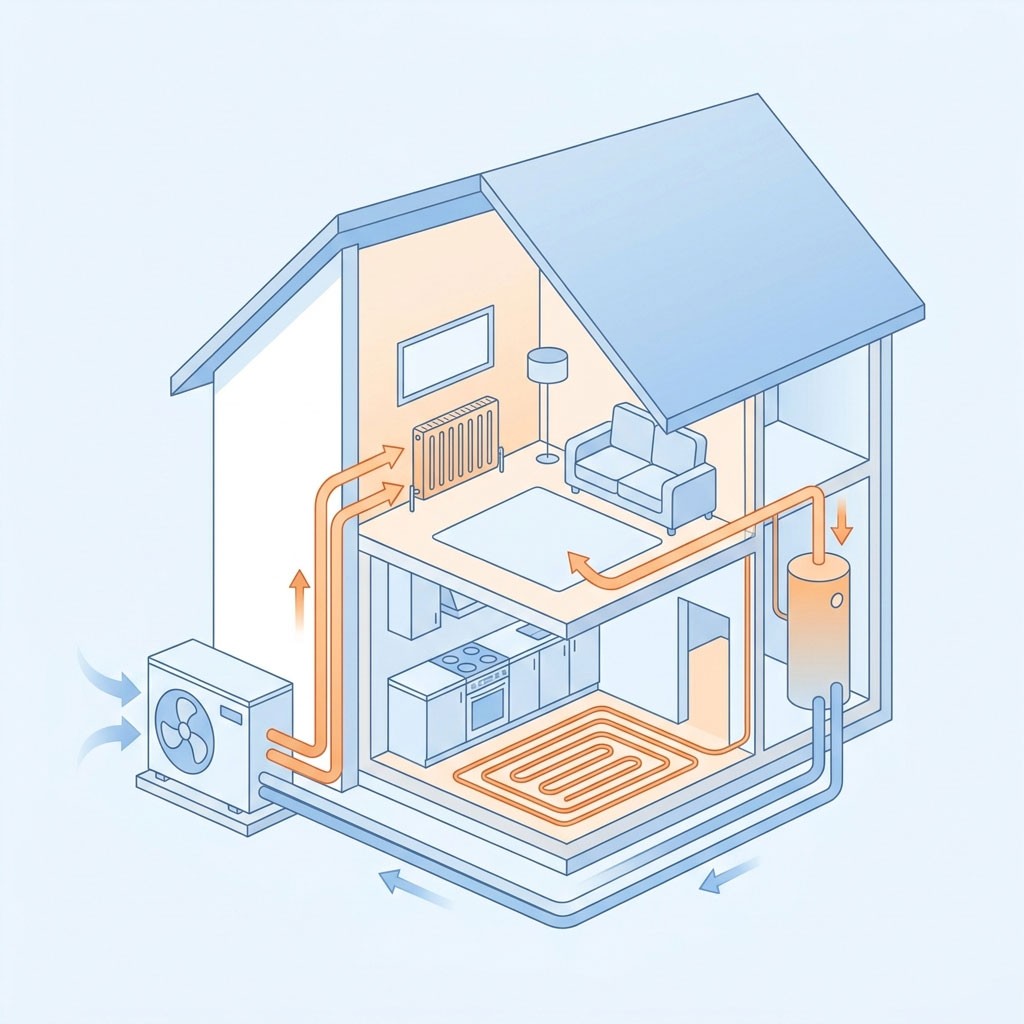
A heat pump is an electrically powered heating system that transfers heat from the outside environment into your property.

The most common domestic option in the UK is an air source heat pump, which extracts heat from outdoor air and uses it to provide central heating and, with suitable equipment, domestic hot water.

The system works by circulating refrigerant through a heat transfer process. A compressor increases the temperature of the refrigerant so that useful heat can be delivered to the building.

An air-to-water heat pump typically supplies heated water to:

• Radiators
• Underfloor heating
• Hot water cylinders
• Other compatible wet heating systems

Unlike a gas boiler, which generates heat by burning fuel, a heat pump moves existing heat.

For example, a heat pump operating at a coefficient of performance of 3 produces approximately three units of useful heat for each unit of electricity it consumes.

Actual efficiency varies depending on outdoor temperature, heating system design, operating settings and the property itself.

This ability to deliver more heat energy than the electrical energy consumed is what makes heat pumps an efficient alternative to many traditional heating systems.

Benefits of Heat Pump Installation

Energy-Efficient Heating

A properly designed heat pump can deliver several units of useful heating energy for each unit of electricity consumed.

Heating & Hot Water

Suitable air-to-water systems can provide central heating and domestic hot water.

Solar Panel Compatibility

Combine heat pumps with solar generation to help reduce electricity purchased from the grid.

Long-Term Home Energy Upgrade

Prepare your property for a future increasingly focused on efficient, low-carbon heating.

Lower Carbon Heating

Reduce direct fossil fuel use and the carbon emissions associated with heating your home.

Reduced Fossil Fuel Dependence

Move away from traditional gas, oil or LPG heating towards an electrically powered system.

Smart Heating Controls

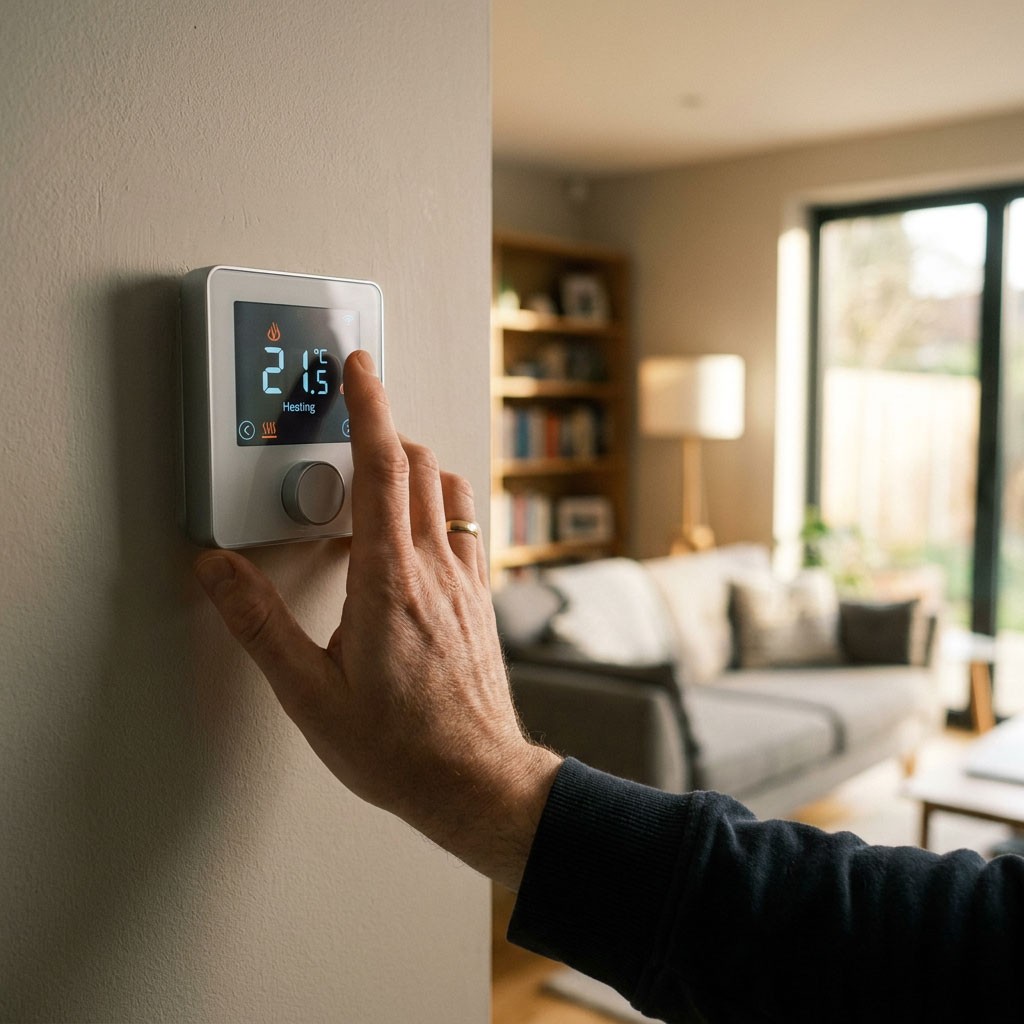
Manage temperatures, schedules and energy usage using compatible modern controls.

Potential Government Support

Eligible properties may qualify for financial support towards heat pump installation costs.

Types of Heat Pumps for Homes in Essex

Different types of heat pumps suit different properties, budgets and heating requirements.

Air Source Heat Pumps

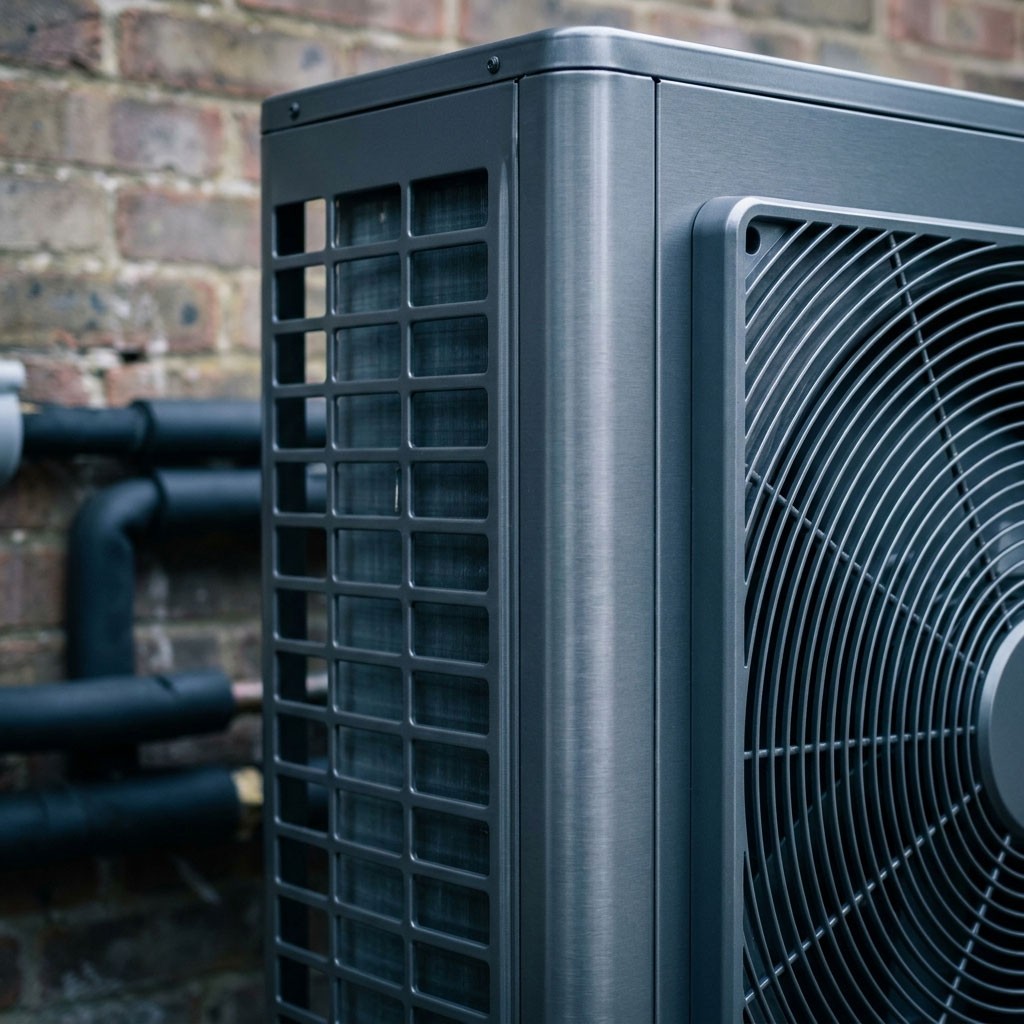
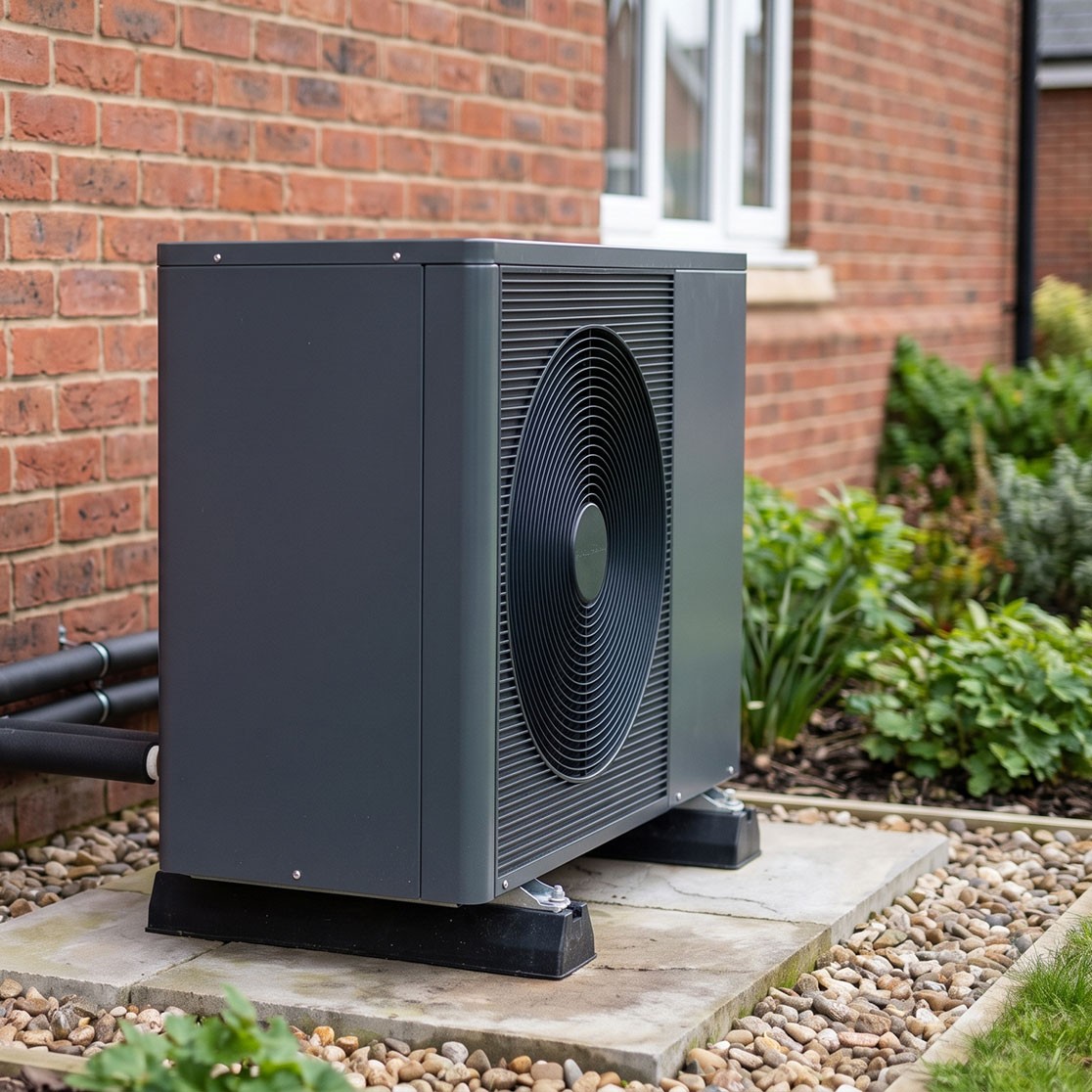
Air source heat pumps extract heat from outdoor air. They are commonly installed outside a property and can provide heating through radiators, underfloor heating or other compatible systems.

They are among the most popular options for UK homeowners because they generally require less external space and installation work than ground source systems.

Air-to-Water Heat Pumps

These are the most common type of domestic air source heat pump used to replace a conventional central heating boiler.

They transfer heat to water circulating through radiators and underfloor heating and can also heat water stored in a suitable cylinder.

Air-to-Air Heat Pumps

These systems transfer heat directly into indoor air using internal units rather than a traditional wet central heating system.

Many can provide heating and cooling. They do not generally provide domestic hot water in the same way as a conventional air-to-water system.

Ground Source Heat Pumps

Ground source heat pumps extract heat from the ground using buried pipework or boreholes.

They can provide efficient heating but usually require more extensive groundwork, appropriate land or borehole access and a higher initial investment.

For many existing residential properties in Essex, an air-to-water heat pump is a practical starting point when considering a replacement for gas or oil central heating.

The most appropriate technology depends on the property, available space and required heating performance.

Is My Property Suitable for a Heat Pump?

Many homes in Essex can be suitable for heat pump installation, including both modern and older properties.

However, suitability depends on much more than property age or size.

A professional assessment should consider:

Heat Loss

How much heat the property loses through walls, roofs, windows, floors and ventilation.

Insulation

The existing insulation influences heating demand and the efficiency of the proposed system.

Heating System

Radiator sizes, underfloor heating and existing pipework affect how efficiently heat can be distributed.

Hot Water Requirements

Household size and daily hot water demand influence cylinder and system selection.

Outdoor Space

An air source heat pump requires a suitable outdoor location with adequate airflow.

Electrical Supply

The property's electrical infrastructure must be suitable for the proposed equipment.

Noise and Location

The outdoor unit must be positioned to meet relevant requirements and minimise disturbance.

Future Energy Demand

Solar panels, battery storage, electric vehicles and planned home improvements may affect the overall design.

Older houses are not automatically unsuitable for heat pumps.

However, properties with greater heat loss may require larger heat emitters, insulation improvements or other changes to achieve the desired efficiency.

At Pure Flux Energy, the objective is to recommend a system that suits the building and can deliver reliable, comfortable heating.

Do Heat Pumps Work with Existing Radiators?

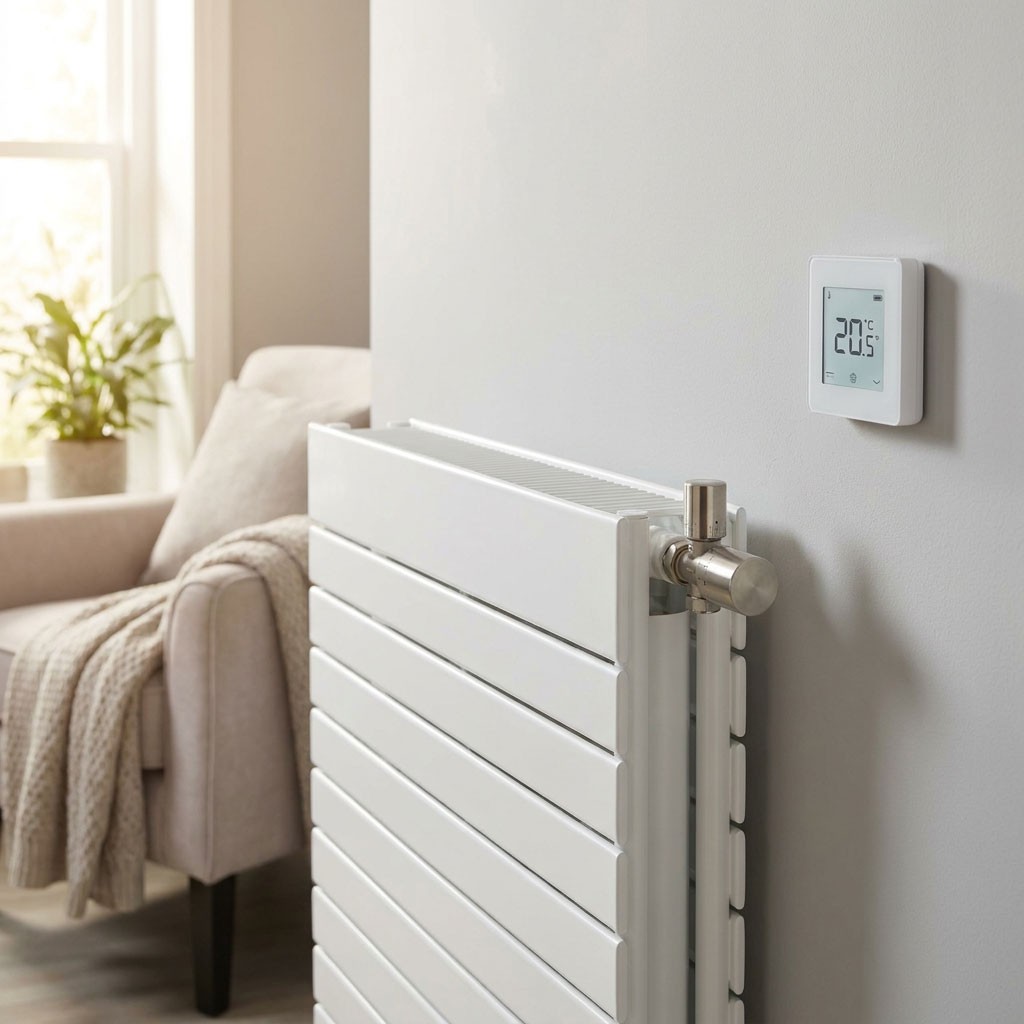
Heat pumps can work with existing radiators, but some properties may benefit from radiator upgrades.

Traditional gas boilers often circulate water at relatively high temperatures.

Heat pumps are generally most efficient when providing heating at lower flow temperatures, which means radiators may need a larger surface area to deliver the required warmth.

This does not mean every radiator needs replacing.

Some existing radiators may already be suitable, particularly where they are generously sized or the property has relatively low heat loss.

During system design, each room should be assessed to establish its heat requirement.

This helps determine whether existing radiators can provide sufficient warmth or whether selected units should be upgraded.

Underfloor heating can also work particularly well with heat pumps because it distributes heat over a large surface area at lower water temperatures.

The key is matching the heat pump, radiators, pipework and building heat loss to create a complete system that operates efficiently.

Do I Need to Insulate My Home Before Installing a Heat Pump?

Good insulation can improve heat pump efficiency and reduce heating costs, but a property does not necessarily have to be fully insulated before a heat pump can be installed.

Heat pumps can operate in older properties and homes with varying levels of insulation.

However, reducing unnecessary heat loss usually makes a heating system more efficient.

Potential improvements include:

• Loft insulation
• Cavity wall insulation
• Solid wall insulation where appropriate
• Draught reduction
• Improved windows and doors
• Floor insulation
• Heating controls

A better-insulated home generally requires less energy to maintain a comfortable temperature.

This may allow a smaller heat pump to be specified and help the system operate at more efficient temperatures.

It is important to separate practical recommendations from grant eligibility.

Improving insulation can be beneficial for heating performance, but Boiler Upgrade Scheme eligibility is subject to its current rules rather than a universal requirement to complete every insulation improvement first.

A heat loss assessment can help identify which improvements, if any, are worthwhile before installation.

How Much Does Heat Pump Installation Cost in Essex?

Heat pump installation costs vary depending on property size, heating demand, existing heating equipment and the specification of the proposed system.

As a broad UK guide, Energy Saving Trust puts a typical air source heat pump installation at approximately £12,000 before any applicable grant.

This is not a fixed installation price. The cost for an individual Essex property may be higher or lower.

Factors influencing the quotation include:

  • Heat pump size and capacity
  • Property heat loss
  • Radiator upgrades
  • Hot water cylinder requirements
  • Existing heating pipework
  • Electrical work
  • Outdoor unit location
  • Installation complexity
  • Heating controls
  • Removal or adaptation of existing equipment

For some households, financial support may substantially reduce the upfront amount payable.

The most useful quotation is one that explains not only the equipment and installation costs, but also the system design, expected performance, potential grant support and likely running costs.

At Pure Flux Energy, our approach is to help customers understand the complete investment rather than comparing heat pump prices in isolation.

Get a Heat Pump Installation Quote

Heat Pump Grants and the Boiler Upgrade Scheme

Eligible homeowners in England may be able to receive financial assistance towards the cost of replacing an existing heating system with a qualifying heat pump.

The Boiler Upgrade Scheme provides support towards eligible low-carbon heating installations.

Under the current scheme, grants include:

• £7,500 for an eligible air-to-water heat pump
• £7,500 for an eligible ground source heat pump
• £2,500 for an eligible air-to-air heat pump
• £9,000 for eligible air-to-water or ground source installations replacing oil or LPG heating at properties without a mains gas connection, available under the increased grant arrangements until 31 March 2027

Eligibility depends on the property, existing heating system, installation specification and scheme requirements.

Not every property or installation qualifies.Not every property or installation qualifies.

The Boiler Upgrade Scheme also requires the installation to be arranged through an appropriately MCS-certified installer for the relevant technology.

For eligible installations, the installer applies for the grant on the property owner's behalf, and the approved grant is deducted from the installation price.

Qualifying residential heat pump installations also currently benefit from 0% VAT until 31 March 2027.

Government schemes and grant rules can change, so eligibility and available amounts should be confirmed before proceeding.

Are Heat Pumps Cheaper to Run Than Gas Boilers?

Heat pumps can be very efficient, but whether they are cheaper to run than a gas boiler depends on several factors.

A heat pump moves heat rather than generating it through combustion, allowing it to deliver multiple units of heat for each unit of electricity consumed.

However, electricity normally costs more per unit than gas.

The overall comparison therefore depends on the relationship between the heat pump's efficiency and the price of the electricity it uses.

Important factors include:

  • Electricity tariff
  • Gas or oil prices
  • Seasonal heat pump efficiency
  • Property insulation
  • Radiator sizing
  • Heating water temperature
  • Household temperature preferences
  • Hot water usage
  • Heating schedules and controls
  • The heating system being replaced

A well-designed heat pump replacing direct electric heating or an inefficient older heating system may deliver significant running-cost benefits.

A heat pump replacing a modern gas boiler may not always reduce heating bills under standard tariffs.

This is why accurate running-cost projections matter.

Pure Flux Energy focuses on helping customers understand expected system efficiency and realistic operating costs before committing to installation.

Understanding Heat Pump Efficiency — COP and SCOP

Heat pump efficiency is commonly described using the coefficient of performance, or COP.

COP compares the amount of useful heat delivered with the amount of electricity consumed under particular operating conditions.

For example, a COP of 3 means the system provides three units of heat for every unit of electricity used.

However, COP changes with outdoor temperature, heating water temperature and operating conditions.

For homeowners, the seasonal coefficient of performance, or SCOP, is often more useful.

SCOP considers efficiency across a heating season rather than under one set of test conditions.

A related measure, seasonal performance factor, can be used to assess expected or actual system performance.

Factors affecting seasonal efficiency include:

• Outdoor climate
• Heat pump specification
• Heat loss of the building
• Radiator and underfloor heating design
• Flow temperatures
• Domestic hot water settings
• Control strategy
• Installation quality

A properly designed system aims to meet heating demand while operating as efficiently as practical.

Understanding expected seasonal performance is essential when comparing quotations and estimating running costs.

Do Heat Pumps Work in Cold Weather?

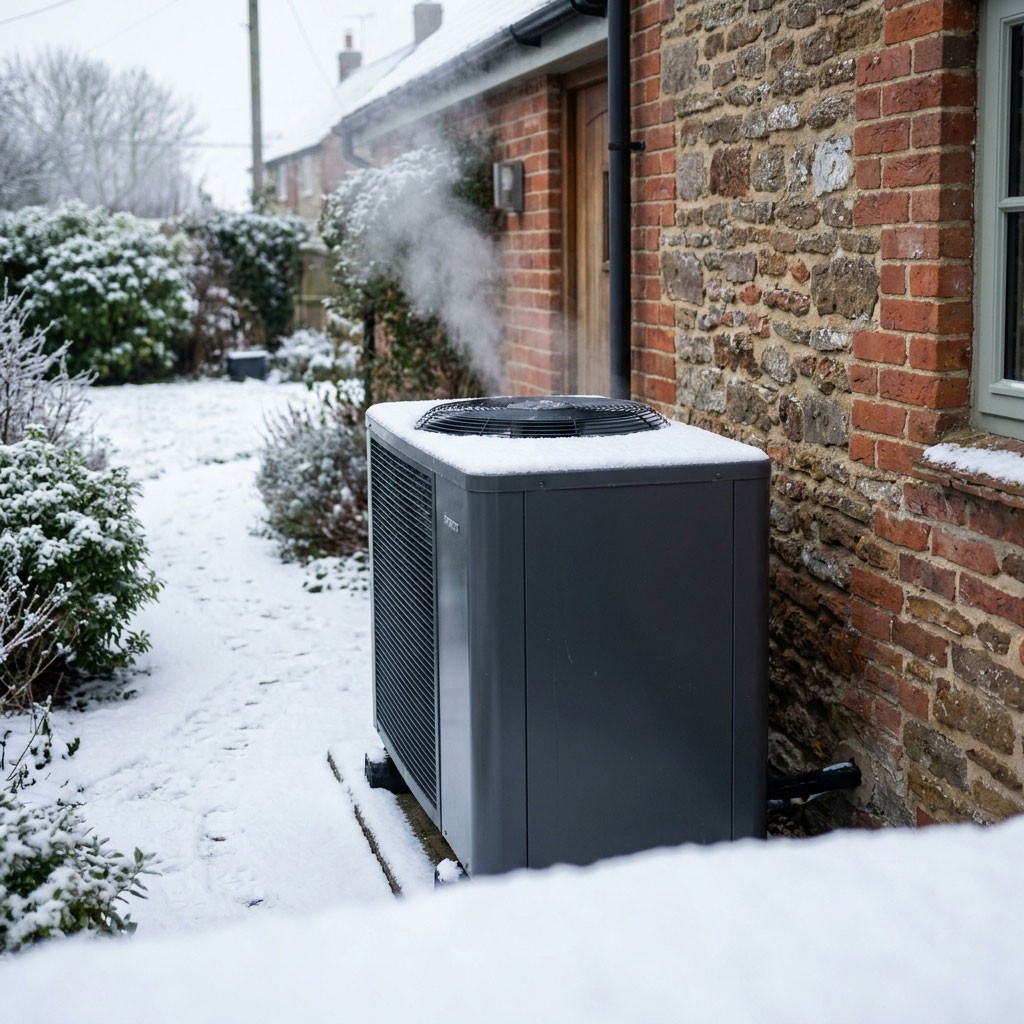
Yes. Modern air source heat pumps can provide heating during cold winter weather, including temperatures below freezing.

Even when outdoor air feels cold, it still contains thermal energy that a heat pump can extract.

As outdoor temperatures fall, the system may need to work harder to deliver the required heat.

This can reduce efficiency compared with milder conditions.

Some systems also periodically perform a defrost cycle to remove ice from the outdoor heat exchanger.

These are normal operating characteristics.

The important factor is correct design.

The heat pump must be sized to meet the property's heating demand under appropriate winter design conditions, rather than simply being selected based on average weather.

In Essex, a properly designed system should be capable of providing comfortable heating throughout the winter.

    Can a Heat Pump Provide Hot Water?

    Yes. An appropriately specified air-to-water heat pump can provide both central heating and domestic hot water.

    In many installations, hot water is stored in a compatible insulated cylinder.

    The heat pump heats the water in the cylinder so that it is available for taps, baths and showers.

    A suitable system design should consider:

    • Number of occupants
    • Number of bathrooms
    • Daily hot water demand
    • Cylinder capacity
    • Available indoor space
    • Hot water heating schedules
    • Required water temperatures
    • Hygiene and temperature-control requirements

    Homes replacing a combi boiler may need space for a hot water cylinder as part of the upgrade.

    This is an important consideration because conventional combi boilers produce hot water on demand, while many heat pump installations use stored hot water.

    The correct cylinder size and heating strategy help ensure the property has a reliable supply of hot water.

    Where Will the Heat Pump Be Installed?

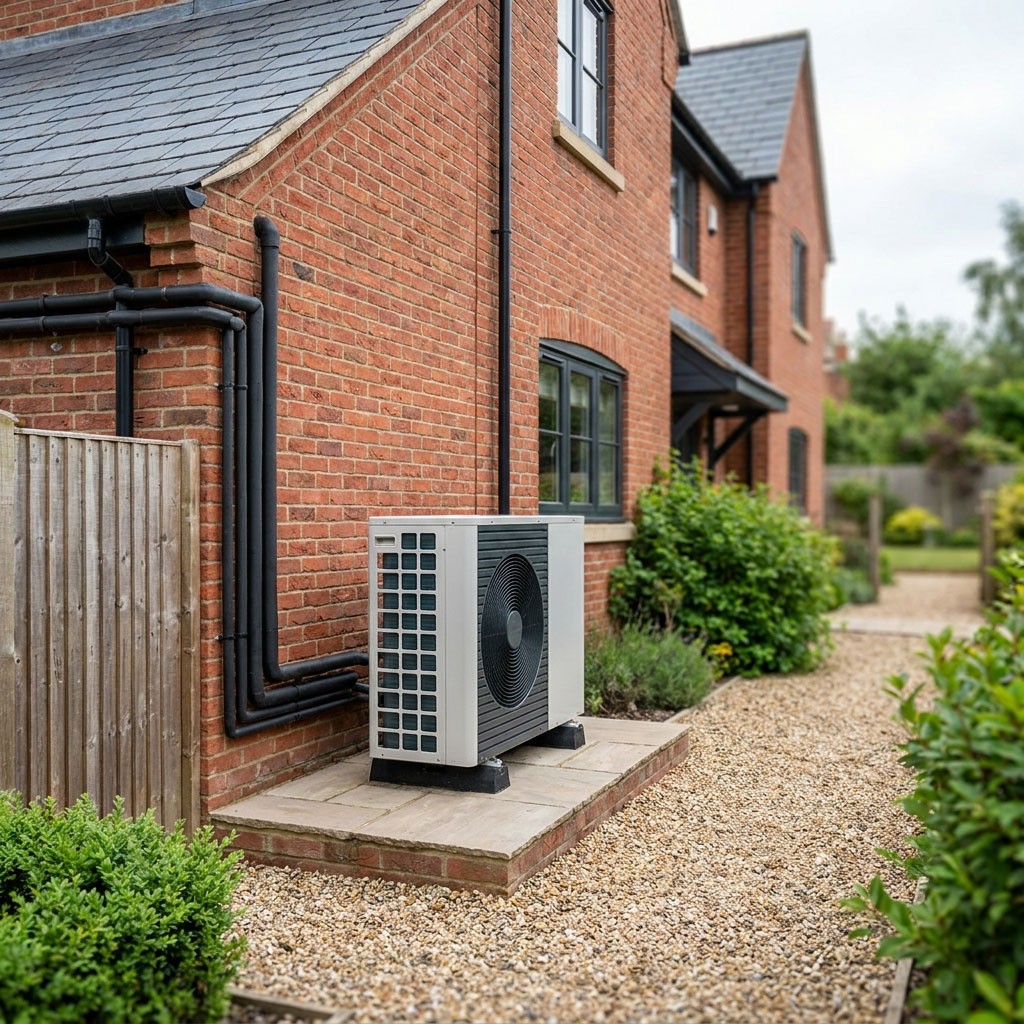
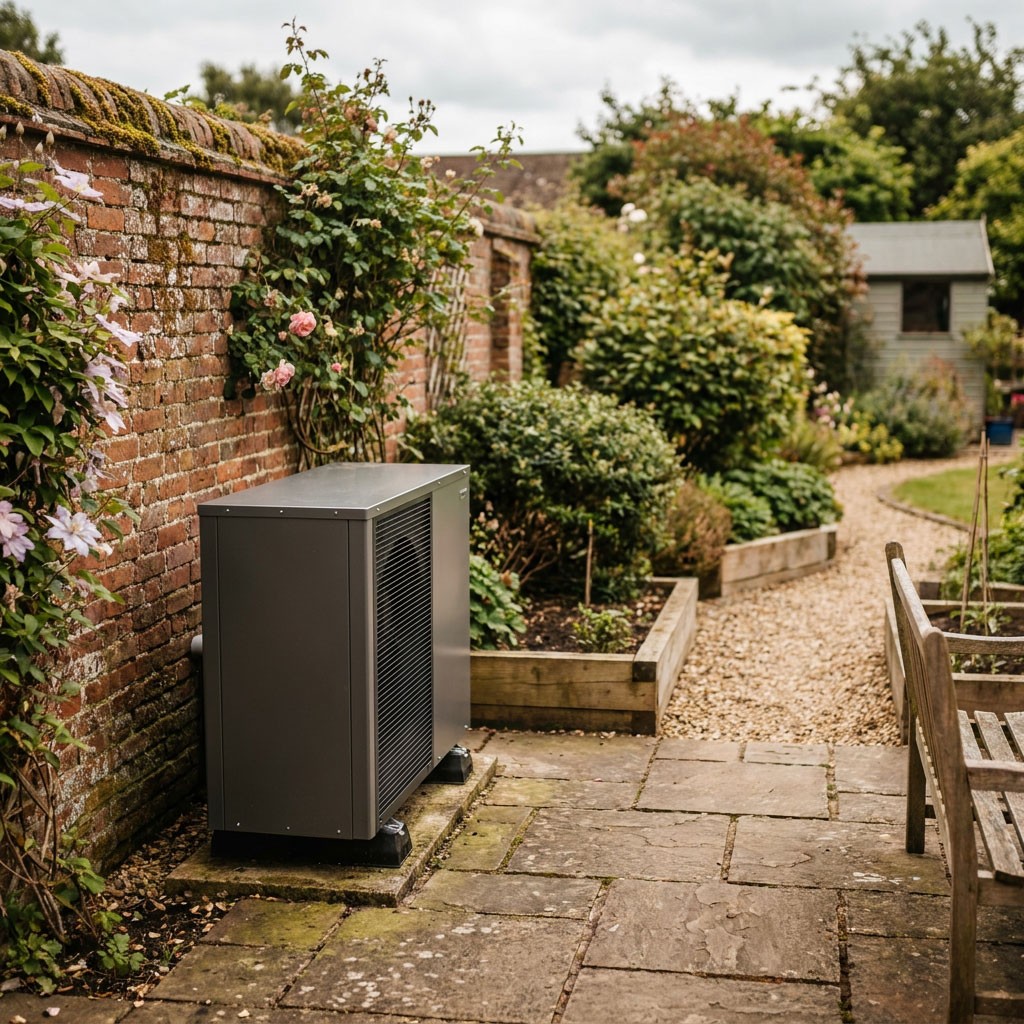
    An air source heat pump normally requires an outdoor unit positioned where it can draw in and discharge air effectively.

    The location should allow suitable airflow, drainage, access for maintenance and compliant operation.

    Installation considerations include:

    • Distance from neighbouring properties
    • Outdoor noise
    • Manufacturer clearance requirements
    • Access for maintenance
    • Suitable mounting or foundations
    • Pipework routes
    • Drainage for condensate and defrost water
    • Appearance and property layout
    • Planning requirements
    • Exposure to prevailing weather

    The best position is not necessarily the location closest to the existing boiler.

    A professional assessment should balance technical performance, practicality, appearance and the effect on surrounding properties.

    Some systems require additional equipment inside the home, including a hot water cylinder, controls and associated pipework.

    Do Heat Pumps Require Planning Permission in Essex?

    Many domestic air source heat pump installations in England can be completed under permitted development rights without a separate planning application.

    However, the installation must meet the relevant conditions.

    These include requirements concerning the unit's size, location, noise performance, property type and protected buildings.

    Planning rules were updated in England in 2025, removing the previous general one-metre boundary restriction and allowing greater flexibility for some domestic installations.

    This does not mean every position or installation is automatically permitted.

    Restrictions can still apply to listed buildings, conservation areas, flats, certain roof locations and other circumstances.

    The installation must also meet the applicable MCS planning standard where required.

    For properties in Essex, it is important to check the current planning position and any property-specific restrictions before finalising the installation design.

    Heat Pumps and Solar Panels — A Smarter Energy Combination

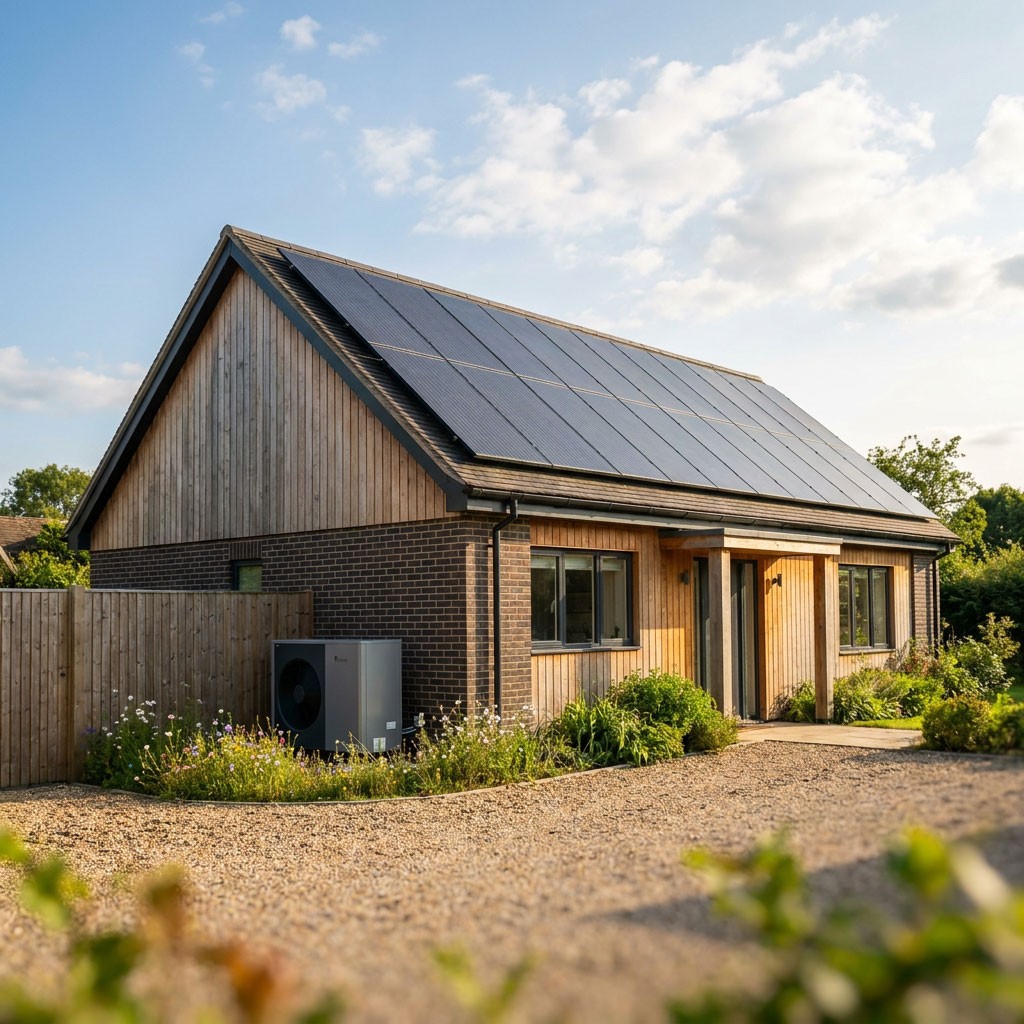
    Heat pumps and solar panels can work together to help households reduce reliance on purchased energy.

    A heat pump uses electricity to provide heating and hot water.

    Solar panels generate electricity from daylight, which can contribute towards the electricity used by the heat pump and other household appliances.

    Combining these systems can offer:

    • On-site renewable electricity generation
    • More efficient home heating
    • Reduced direct fossil fuel use
    • Improved control over electricity consumption
    • Better integration with smart home energy systems
    • Greater flexibility for future energy upgrades

    However, solar generation is generally highest during spring and summer, while heating demand is highest in winter.

    Solar panels should therefore be viewed as a way to contribute towards heat pump electricity demand rather than a guarantee of free heating throughout winter.

    A good system design considers the complete property, including heating demand, solar output, electricity tariffs and future usage.

    Heat Pumps with Solar Battery Storage

    Battery storage can complement heat pumps by helping homeowners control when electricity is imported from the grid.

    A battery may store excess solar electricity or, where appropriate, electricity purchased during lower-cost tariff periods.

    Stored energy can then be used to help supply household electricity demand, including some electricity consumed by the heat pump.

    Potential benefits include:

    • Increased solar self-consumption
    • Reduced grid imports at certain times
    • Greater flexibility around electricity tariffs
    • Smarter energy management
    • Better integration of renewable technologies

    However, heat pumps can consume substantial electricity during cold weather, especially when heating demand is high.

    A relatively small home battery may not provide enough stored energy to power the heating system for long periods.

    Battery capacity, charge rates, system controls and cost should therefore be considered carefully.

    The most effective approach is to review solar generation, heating demand, electricity tariffs and storage requirements together.

    Our Heat Pump Installation Process

    Initial Consultation

    We discuss your existing heating system, property, household needs and reasons for considering a heat pump.

    1

    Property and Heating Assessment

    The building, insulation, heating infrastructure, hot water demand and suitable equipment locations are reviewed.

    2

    Heat Loss Calculation

    A room-by-room heat loss assessment helps establish the heating output required to maintain comfortable temperatures.

    3

    Heating System Design

    The heat pump, radiators, hot water cylinder, controls and associated equipment are selected around the property's requirements.

    4

    Cost and Grant Review

    We explain the proposed installation costs, expected performance and any applicable funding considerations.

    5

    Detailed Quotation

    A clear proposal is provided covering the recommended system and associated work.

    6

    Professional Installation

    The existing system is adapted or replaced, and the heat pump and associated equipment are installed.

    7

    Testing and Commissioning

    The completed system is tested and configured to operate safely and efficiently.

    8

    Customer Handover

    We explain the controls, heating schedules, hot water settings and recommended operating practices.

    9

    Ongoing Support

    Advice is available regarding system operation, performance monitoring and servicing requirements.

    10

    Why Professional Heat Pump Design Matters

    A heat pump installation should begin with accurate heating calculations rather than simply replacing an existing boiler with a similarly rated unit.

    The heating output required depends on the actual heat loss of the property.

    An incorrectly sized or poorly configured heat pump can lead to inefficient operation, unnecessary running costs or difficulty maintaining comfortable temperatures.

    Professional design should consider:

    • Room-by-room heat loss
    • System capacity
    • Radiator sizing
    • Flow temperature
    • Hot water demand
    • Pipework and circulation
    • Outdoor unit positioning
    • Controls and commissioning
    • Seasonal efficiency
    • Long-term maintenance

    The objective is a heating system that performs well in normal conditions and during colder weather.

    A correctly designed heat pump should provide comfortable heating with clear, understandable controls and realistic running-cost expectations.

    Heat Pump Maintenance and Servicing

    Heat pumps are designed for long-term operation, but regular servicing helps maintain efficiency, safety and reliability.

    Most manufacturers recommend periodic servicing, commonly annually.

    A heat pump service may include:A heat pump service may include:

    • Checking system operation
    • Inspecting electrical connections
    • Reviewing heating controls
    • Checking system pressures and circulation
    • Inspecting the outdoor unit
    • Checking for obstructions
    • Reviewing system performance
    • Checking relevant safety components
    • Inspecting associated hot water equipment
    • Following manufacturer-specific maintenance requirements

    Homeowners should also keep the outdoor unit free from leaves, debris and other obstructions that could restrict airflow.

    Servicing requirements depend on the system specification and manufacturer guidance.

    Good maintenance helps protect the investment and supports reliable heating throughout the year.

    Why Choose us

    Why Choose Pure Flux Energy?

    Choosing a heat pump installer is an important decision because the quality of the design and installation can affect heating comfort, efficiency and long-term operating costs.

    At Pure Flux Energy, we believe renewable energy systems should be designed around the individual property rather than sold as generic packages.

    Our approach focuses on understanding how the home performs, what the occupants need and how the proposed technology will work in everyday use.

    Our focus includes:

    • Property-specific heating assessments
    • Clear explanations of heat pump technology
    • Tailored system design
    • Appropriate equipment selection
    • Professional electrical and renewable energy expertise
    • Integration with solar panels and battery storage
    • Honest guidance on running costs
    • Long-term home energy planning
    • Ongoing customer support

    A successful heat pump installation should provide more than a new piece of equipment.

    It should deliver a properly designed heating solution that suits the property, supports comfort and makes efficient use of electricity.

    Solar Panels for EV Owners

    Home EV Charging Support

    Solar Battery Storage Options

    Lower Charging Costs

    Tailored System Design

    Essex Solar Specialists

    Get a Free Solar Quote

    Related Guides

    Generate energy

    Solar Panel Installation Essex

    Whether you're looking to reduce household expenses, improve energy efficiency, charge an electric vehicle more affordably or future-proof your home, our experienced solar specialists provide tailored solar energy solutions designed around your property and energy usage.

    Find out more

    Store Energy

    Solar Battery Storage Essex

    A solar battery allows you to store electricity generated during the day and use it later when your home needs it most. Whether you already have solar panels or are planning a complete solar panel and battery system, Pure Flux Energy provides tailored battery storage solutions designed around your property.

    Find out more

    Reduce your travel costs

    Solar Panels for Electric Vehicles

    Use solar panels to help charge your electric vehicle at home, reduce reliance on grid electricity and create a smarter, more efficient home energy system.

    Find out more

    Clear solar pricing

    Solar Panel Costs Essex

    Clear guidance on solar panel costs in Essex, including what affects installation prices, how battery storage changes the overall investment and how to understand long-term savings.

    Find out more

    How much can you save?

    Solar Panel Savings

    Understand how much solar panels can save, what affects your return and how solar battery storage can help homeowners use more of their own electricity.

    Find out more

    Is solar right for you?

    Are Solar Panels Worth It?

    Solar panels can be one of the most effective long-term home energy investments for homeowners looking to reduce electricity bills, generate their own power and protect against rising energy costs.

    Find out more

    Contact Us

    Get a Free Heat Pump Installation Quote in Essex

    Thinking about replacing your existing heating system with an energy-efficient heat pump?

    Pure Flux Energy can help assess your property, explain suitable technologies and provide a tailored quotation based on your heating requirements.

    Whether you're considering an air source heat pump, integrating renewable heating with solar panels or planning a complete home energy upgrade, our team can help you understand the options.

    Call us now on:

    01234 567890

    Reach out to discuss your requirements, ask questions about installation or schedule a consultation. 

    By submitting this form, you agree to be contacted regarding your enquiry using the details provided. Please see our Privacy Policy for information about how we handle your data.

    Heat Pump Installation Essex FAQ's

    What is an air source heat pump?

    expand_circle_down

    An air source heat pump is an electrically powered heating system that extracts heat from outdoor air and transfers it into a property.

    The most common type for existing UK central heating systems is an air-to-water heat pump.

    It uses heat extracted from the outside air to warm water that circulates through radiators, underfloor heating or other compatible heating systems. It can also heat domestic hot water stored in an appropriate cylinder.

    Unlike a gas boiler, a heat pump does not need to burn fuel to produce heat.

    Instead, it transfers naturally occurring heat, allowing a correctly designed system to provide several units of heating energy for each unit of electricity consumed.

    Air source heat pumps can be suitable for many homes across Essex, although correct sizing and system design are essential.

    How much does heat pump installation cost in Essex?

    expand_circle_down

    Heat pump installation costs in Essex depend on the property, heating requirements and work needed to accommodate the new system.

    As a broad UK guide, a typical air source heat pump installation costs approximately £12,000 before grant support, according to Energy Saving Trust guidance.

    However, an individual installation may cost more or less depending on system capacity, radiators, pipework, hot water cylinder requirements and electrical work.

    Some eligible homeowners may receive financial support through the Boiler Upgrade Scheme, reducing the upfront amount payable.

    The most accurate way to establish cost is through a property assessment and detailed quotation that includes both the heating equipment and any associated installation work.

    Can I get a £7,500 heat pump grant in Essex?

    expand_circle_down

    Eligible homeowners in Essex may qualify for a £7,500 Boiler Upgrade Scheme grant towards an approved air-to-water heat pump installation.

    The scheme supports the replacement of eligible existing heating systems with qualifying low-carbon heating technology.

    The current grant arrangements also provide £9,000 for some off-gas-grid properties replacing oil or LPG heating with an eligible air-to-water or ground source heat pump, until 31 March 2027.

    Eligibility depends on the property, existing heating system, technology and installer requirements.

    The grant must be arranged through an appropriately MCS-certified installer, who applies on the customer's behalf and deducts the approved amount from the installation cost.

    Are heat pumps cheaper to run than gas boilers?

    expand_circle_down

    Heat pumps can be efficient, but they are not automatically cheaper to run than every gas boiler.

    A heat pump produces several units of useful heat for every unit of electricity consumed. However, electricity typically costs more per unit than gas.

    The running-cost comparison therefore depends on the efficiency of the heat pump, energy tariffs, heating demand, insulation and the existing boiler being replaced.

    An efficient heat pump on a suitable tariff may be competitive with gas heating.

    However, replacing a relatively new gas boiler does not guarantee lower bills.

    A reliable quotation should include realistic assumptions about seasonal efficiency and electricity costs rather than promising the same saving for every home.

    Are heat pumps worth it in Essex?

    expand_circle_down

    Heat pumps are worth considering for many Essex homeowners who want efficient, lower-carbon heating and reduced reliance on gas or oil.

    They can be particularly attractive when replacing an ageing or inefficient heating system, especially where government grant support is available.

    Heat pumps can also work alongside solar panels and smart electricity tariffs to create a more integrated home energy system.

    However, whether installation is worthwhile depends on the property, heating demand, existing fuel costs, available funding and long-term objectives.

    A properly designed system can provide comfortable heating and lower carbon emissions for many years.

    The decision should be based on a property-specific assessment rather than general savings claims.

    Do heat pumps work in winter?

    expand_circle_down

    Yes, modern air source heat pumps are designed to provide heating during winter, including when outdoor temperatures fall below freezing.

    Even cold outdoor air contains thermal energy that a heat pump can extract.

    The system may work harder in colder conditions, and efficiency can reduce as the difference between outdoor temperature and required heating temperature increases.

    Some systems also perform automatic defrost cycles.

    These are normal characteristics of air source technology.

    The important consideration is whether the heat pump has been correctly sized to meet the property's heating demand during colder weather.

    A properly designed installation should maintain comfortable indoor temperatures throughout typical Essex winter conditions.

    Do heat pumps work in older houses?

    expand_circle_down

    Yes, heat pumps can work in older houses, including many traditional properties in Essex.

    However, older buildings may have higher heat loss, less insulation or heating systems designed around higher boiler temperatures.

    These factors need to be considered carefully.

    A heat loss survey helps determine the required heating output and whether existing radiators can deliver sufficient warmth.

    Some properties may benefit from insulation improvements, larger radiators or changes to the heating system.

    A heat pump should not be rejected simply because the property is old.

    The most important factors are building performance, heating design and the ability of the system to maintain comfortable temperatures efficiently.

    Do I need to replace all my radiators for a heat pump?

    expand_circle_down

    Not necessarily.

    Many existing radiators can work with heat pumps, depending on their size and the heating requirements of each room.

    Heat pumps are generally most efficient when operating with lower heating water temperatures than traditional gas boilers.

    This can mean some rooms need larger radiators to provide sufficient heat.

    A room-by-room heat loss calculation helps determine which existing radiators are suitable.

    Where upgrades are needed, they should be clearly identified as part of the system design and quotation.

    The aim is to make the best use of existing heating infrastructure while ensuring the complete system works efficiently.

    Do I need underfloor heating for a heat pump?

    expand_circle_down

    No, underfloor heating is not essential for heat pump installation.

    Heat pumps can work with suitably sized radiators as well as underfloor heating.

    Underfloor heating is often a good match because it uses a large surface area to distribute heat at relatively low water temperatures.

    However, installing underfloor heating throughout an existing property may be expensive or disruptive.

    For many homes, retaining suitable radiators and upgrading only those that need improvement may be a more practical solution.

    The best heating arrangement depends on room heat loss, existing infrastructure, budget and renovation plans.

    Do I need a hot water cylinder with a heat pump?

    expand_circle_down

    Many air-to-water heat pump installations use a hot water cylinder to store water for baths, showers and taps.

    This differs from a conventional gas combi boiler, which often provides hot water on demand.

    The cylinder must be suitable for the heat pump and correctly sized for the household's hot water requirements.

    A larger family or property with multiple bathrooms may require more stored hot water than a smaller household.

    During the assessment, the installer should explain where the cylinder can be located and whether additional pipework or changes to the existing system are needed.

    Do I need to insulate my house before installing a heat pump?

    expand_circle_down

    A heat pump can operate in a property without every possible insulation improvement being completed first.

    However, good insulation generally improves heating efficiency and helps reduce running costs.

    Heat loss through walls, roofs, windows, floors and draughts increases the amount of energy needed to maintain a comfortable temperature.

    Improving insulation can sometimes allow a smaller heat pump to be installed or reduce the heating water temperature needed.

    A professional assessment should identify whether particular insulation improvements would be worthwhile.

    Grant eligibility and best-practice heating design should be considered separately, because current Boiler Upgrade Scheme rules do not impose a universal requirement to complete all insulation recommendations before qualifying.

    How efficient is a heat pump?

    expand_circle_down

    Heat pump efficiency is usually expressed using COP, SCOP or seasonal performance factor.

    A coefficient of performance of 3 means that the system produces three units of useful heat for each unit of electricity consumed under the stated conditions.

    However, efficiency changes with outdoor temperature, heating water temperature and the demands of the property.

    Seasonal performance measures are more useful when assessing expected performance over a year.

    A well-designed installation considers the heat pump, radiators, insulation, heating controls and likely operating temperatures together.

    Higher efficiency can reduce the electricity needed to deliver a given amount of heat, which may improve running costs.

    Do heat pumps make a lot of noise?

    expand_circle_down

    Modern air source heat pumps are generally designed to operate at relatively low noise levels.

    However, they contain fans and compressors, so some sound is produced while operating.

    Noise levels depend on the heat pump model, output, operating conditions and installation location.

    The outdoor unit should be positioned carefully to minimise disturbance to occupants and neighbouring properties.

    Planning requirements may also include noise assessment against relevant MCS standards.

    A professional installer should consider noise and location during system design rather than simply positioning the unit wherever space is available.

    Do heat pumps need planning permission in Essex?

    expand_circle_down

    Many domestic air source heat pump installations in Essex can be carried out under permitted development rights.

    However, the installation must comply with the applicable requirements concerning equipment size, location, noise, building type and protected status.

    English planning rules changed in May 2025 to allow greater flexibility for some domestic heat pump installations, including removing the previous general one-metre boundary restriction.

    This does not mean all installations are automatically permitted.

    Listed buildings, conservation areas and certain other properties may require additional checks or planning permission.

    The current rules should always be reviewed before finalising the design.

    Can a heat pump replace my gas boiler completely?

    expand_circle_down

    Yes, a correctly designed air-to-water heat pump can replace a conventional gas boiler for central heating and domestic hot water.

    The existing heating system may need changes, including radiator upgrades, a compatible hot water cylinder, new controls or pipework alterations.

    The heat pump must also be sized to meet the property's heating demand.

    Once installed, the heat pump can become the primary heating system.

    For homes that no longer require gas for cooking or other appliances, removing gas entirely may also be an option.

    However, complete boiler replacement should only be recommended after a proper heating assessment.

    Can a heat pump replace an oil boiler?

    expand_circle_down

    Yes, an air source heat pump can replace an oil-fired central heating system where the property is suitable.

    This can be particularly relevant for homes in rural parts of Essex that are not connected to the mains gas network.

    An air source heat pump uses electricity rather than heating oil and may remove the need for an oil tank and regular fuel deliveries.

    However, the heating system must be designed carefully around the property's heat loss and existing infrastructure.

    Some eligible off-gas-grid properties replacing oil heating can currently qualify for increased Boiler Upgrade Scheme support.

    The suitability, cost and expected running performance should be established through a detailed assessment.

    Can solar panels power a heat pump?

    expand_circle_down

    Solar panels can generate electricity that contributes towards the energy used by a heat pump.

    During daylight hours, solar electricity can help supply household demand, including electricity consumed by the heating system.

    However, heating demand is generally highest in winter when solar generation is lower.

    This means solar panels will not normally provide all the electricity required by a heat pump throughout the year.

    Combining solar generation with suitable heating controls and an appropriate electricity tariff can still provide benefits.

    The most effective arrangement depends on the property's heating demand, solar system capacity and household electricity usage.

    Will a solar battery help with a heat pump?

    expand_circle_down

    A solar battery can help manage electricity use in a home with a heat pump.

    It may store surplus electricity generated by solar panels or electricity purchased at certain tariff periods for later use.

    However, a heat pump can use substantial electricity during cold weather.

    A small battery may not store enough energy to supply the heat pump for an extended period.

    Battery storage can still support general household energy management, but its capacity and cost should be assessed carefully.

    A complete system design should consider heating demand, solar generation, battery storage and tariff options together.

    How long does heat pump installation take?

    expand_circle_down

    The installation time depends on the property, existing heating system and amount of associated work.

    Some relatively straightforward installations can be completed in several days.

    More complex projects involving radiator replacement, pipework alterations, hot water cylinder installation or other upgrades may take longer.

    The process also includes work before the installation itself, such as surveys, design calculations, quotation preparation and any applicable grant or permission arrangements.

    A professional installer should explain the anticipated programme and any periods when heating or hot water may be unavailable.

    How long does a heat pump last?

    expand_circle_down

    Heat pumps are designed for long-term use, and many systems can operate for approximately 15–20 years or longer with appropriate maintenance.

    Actual lifespan depends on equipment quality, installation standards, operating conditions and servicing.

    Components may need attention or replacement during the life of the system.

    Manufacturers also offer different warranty periods and conditions.

    Regular maintenance and correct operation can help support long-term reliability.

    When comparing systems, homeowners should consider not only the installation price but also warranty cover, servicing requirements, expected efficiency and ongoing support.

    Do heat pumps need servicing?

    expand_circle_down

    Yes, heat pumps should be serviced in accordance with the manufacturer's recommendations, commonly once per year.

    Servicing helps maintain efficiency, reliability and safe operation.

    A typical service may include checking controls, electrical components, pressures, heat exchangers, pumps and the outdoor unit.

    Homeowners should also ensure the outdoor unit has unobstructed airflow and is not surrounded by leaves or other debris.

    Service requirements vary by model and system configuration.

    Regular servicing is particularly important where it forms part of the manufacturer's warranty conditions.

    Should I leave my heat pump running all the time?

    expand_circle_down

    Heat pumps are often designed to work efficiently by maintaining relatively steady indoor temperatures rather than repeatedly producing short bursts of very high-temperature heat.

    However, the best heating schedule depends on the property, insulation, heating system design and how the occupants use the home.

    Some homes benefit from continuous low-temperature heating, while others can operate efficiently with carefully managed temperature setbacks or schedules.

    It is not necessary to assume that every heat pump must run at the same temperature all day and night.

    The correct approach should be explained during commissioning and adjusted to suit the building and occupants.

    Are heat pumps suitable for semi-detached and terraced houses?

    expand_circle_down

    Yes, heat pumps can be suitable for semi-detached and terraced properties.

    Suitability depends on the available outdoor space, suitable unit positioning, heating demand and planning considerations.

    Properties with smaller gardens may still have suitable installation locations, although airflow, access and noise must be considered carefully.

    The heating system should also be assessed for radiator compatibility and hot water requirements.

    Many different residential property types can accommodate heat pumps when the system is correctly designed.

    What is the difference between a heat pump and a boiler?

    expand_circle_down

    A conventional gas or oil boiler burns fuel to generate heat.

    A heat pump uses electricity to transfer heat from the outside environment into the property.

    Because a heat pump moves heat rather than producing it solely through combustion, it can deliver more useful heat energy than the electricity it consumes.

    Heat pumps also commonly operate at lower heating water temperatures than traditional boilers.

    This can require different heating controls, radiator sizes or operating habits.

    Both technologies can provide central heating and hot water, but their efficiency, energy source and installation requirements differ.

    How do I know if a heat pump is right for my home?

    expand_circle_down

    The best way to establish whether a heat pump is suitable is to arrange a property-specific heating assessment.

    This should consider:

    • Property size and construction
    • Insulation and heat loss
    • Existing radiators and pipework
    • Hot water requirements
    • Outdoor installation space
    • Electrical supply
    • Existing heating fuel
    • Running-cost expectations
    • Available grants
    • Future solar or battery plans

    A detailed assessment allows the heating system to be designed around the building and its occupants.

    Pure Flux Energy can help you explore the options and understand the practical considerations before deciding whether to proceed.

    keyboard_arrow_up