Reduce your energy bills

Solar Panel Savings

Understand how much solar panels can save, what affects your return and how solar battery storage can help homeowners use more of their own electricity.

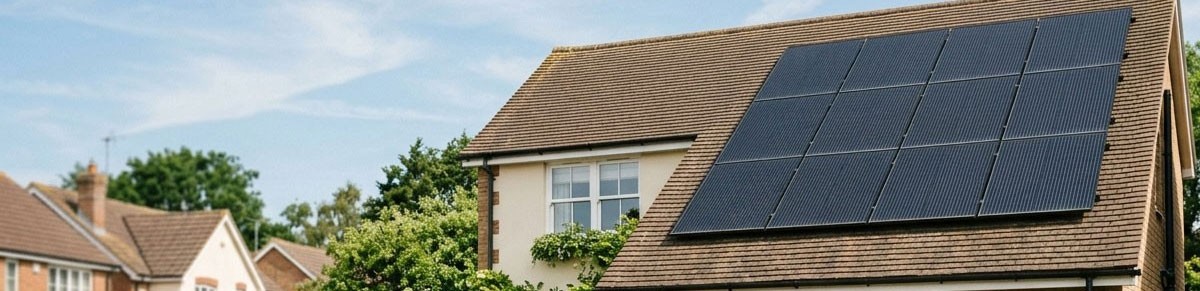
Solar panels can reduce electricity bills by generating power directly from your property. The amount you save depends on your system size, roof suitability, electricity usage, battery storage, energy prices and how much solar electricity your home uses directly.

At Pure Flux Energy, we help homeowners across Essex understand the realistic savings available from solar panel installation, battery storage and smarter home energy design.

Get a Free Solar Quote

Solar Savings Explained

Battery Storage Advice

EV Charging Support

Payback Guidance

Tailored System Design

Essex Solar Specialists
How Much Can Solar Panels Save?

Solar panel savings vary from home to home.

There is no single figure that applies to every property because every household uses electricity differently. A family home with high electricity usage may see a different level of saving compared with a smaller property with lower usage. A home with battery storage may also use more of its own solar energy than a home without a battery.

The main way solar panels save money is by reducing how much electricity you need to buy from the grid.

During daylight hours, your panels generate electricity. If your home is using electricity at the same time, that solar power can be used directly by your appliances, lighting, home office equipment, chargers and other electrical systems.

This means every unit of solar electricity used in your home is a unit you may not need to buy from your energy supplier.

For many homeowners, solar panels provide both immediate bill reduction and long-term protection against rising electricity costs.

How Solar Panels Reduce Electricity Bills

Solar panels reduce electricity bills by generating electricity from daylight.

When your solar panels are producing electricity, your home uses that electricity first. If your home needs more power than the panels are generating, the extra electricity is imported from the grid.

If your panels generate more electricity than your home is using at that moment, the surplus can either be stored in a battery or exported to the grid.

Solar savings are usually strongest when your home uses a high proportion of the electricity your panels generate.

This means savings are affected by:

  • How much electricity your home uses
  • When your home uses electricity
  • How much electricity your panels generate
  • Whether you have battery storage
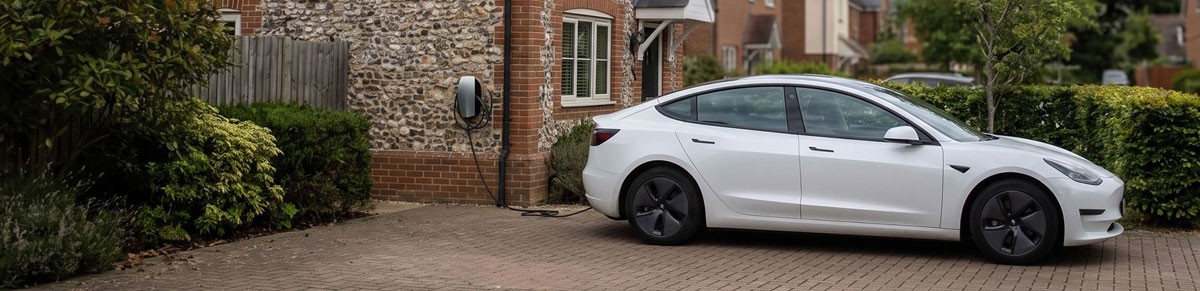
  • Whether you charge an electric vehicle
  • Your electricity tariff
  • Your roof orientation and shading
  • Your future energy requirements

A properly designed system should be based on your real electricity usage rather than guesswork.

Find out more
How solar panels reduce electricity bills

Main Ways Solar Panels Can Save Money

Direct Electricity Savings

Use solar electricity in your home and reduce the amount purchased from the grid.

Battery Storage Savings

Store unused solar energy and use it later instead of buying electricity back in the evening.

EV Charging Savings

Use solar power to help charge an electric vehicle and reduce home charging costs.

Export Payments

Surplus electricity may be exported to the grid through eligible export tariffs.

Long-Term ROI

Solar panels can continue generating electricity for decades after installation.

Protection Against Price Rises

Generating your own power can reduce exposure to future electricity price increases.

Improved Energy Efficiency

A solar system can help make your home more energy efficient and future-ready.

Smarter Home Energy Use

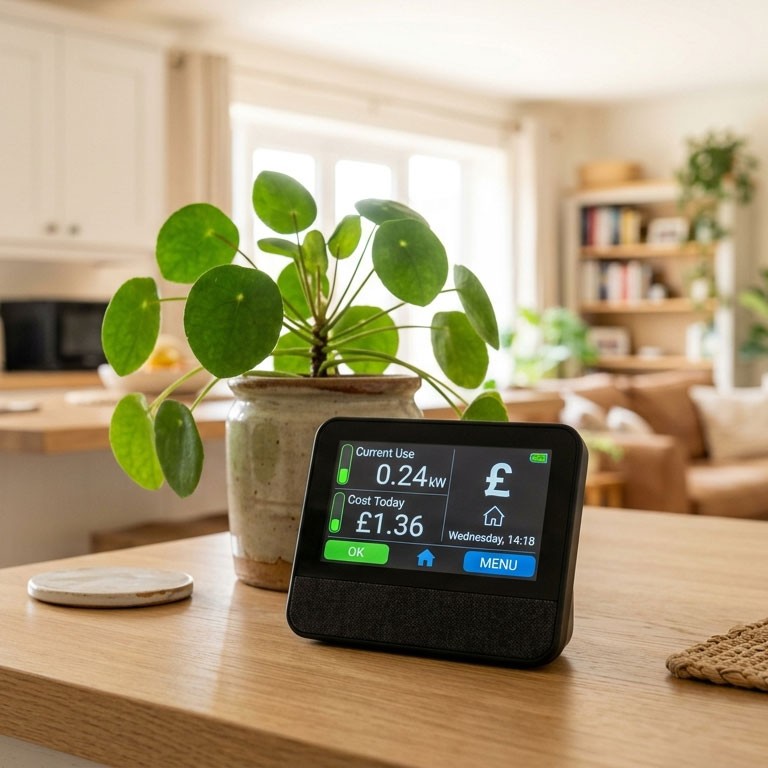
Monitoring tools can help homeowners understand and manage energy consumption more effectively.

What affects solar panel savings

What Affects Solar Panel Savings?

Solar panel savings depend on both generation and usage.

A system may generate a strong amount of electricity, but the savings depend on how much of that electricity is used within the home.

The main factors that affect savings include:

System Size

Larger systems can generate more electricity, but they should still be matched to household demand.

Roof Orientation

South-facing roofs typically generate the highest output, while east and west-facing roofs can also perform well.

Shading

Trees, chimneys, neighbouring buildings and roof features can reduce performance.

Household Usage

Homes with higher electricity usage may have greater opportunity to benefit from solar generation.

Daytime Usage

Using electricity during daylight hours can increase direct savings.

Battery Storage

A battery can store unused solar electricity for later use.

EV Charging

Electric vehicle charging can increase electricity demand and improve the value of a well-designed solar system.

Energy Tariff

The cost of electricity and any export tariff arrangements influence overall return.

Future Energy Plans

Heat pumps, EVs, home offices and growing households may all affect long-term energy demand.

Daytime Usage and Solar Savings

Solar panels generate electricity during daylight hours.

This means households that use electricity during the day can often benefit strongly from solar panels because generation and usage happen at the same time.

Daytime electricity use may include:

  • Working from home
  • Running appliances
  • Charging devices
  • Heating water with suitable systems
  • Running home office equipment
  • Daytime cooking
  • Using washing machines or dishwashers
  • Charging an electric vehicle at home

The more electricity you use while your panels are generating, the more solar power can be used directly.

This can reduce the amount imported from the grid and improve the overall value of the system.

For households that use most electricity in the evening, battery storage can help by storing solar energy generated earlier in the day.

Find out more
Daytime usage and solar panel savings
Solar panel savings with battery storage

Solar Panel Savings With Battery Storage

Battery storage can increase solar savings by allowing homeowners to use more of the electricity their panels generate.

Without a battery, surplus electricity that is not used immediately may be exported to the grid.

With a battery, that electricity can be stored and used later when solar generation is lower, such as during the evening or overnight.

Battery storage can be especially useful for homes that:

  • Use more electricity in the evening
  • Are empty during the day
  • Have higher electricity bills
  • Own electric vehicles
  • Want greater energy independence
  • Want to make better use of their solar panels

The right battery size is important.

A battery that is too small may not store enough electricity to make a meaningful difference. A battery that is too large may not be used efficiently.

The best results come from matching the battery size to your solar generation and household usage pattern.

Solar Savings With and Without a Battery

Solar panels can save money with or without battery storage.

A battery is not essential for every home, but it can improve the overall value of the system when usage patterns make it worthwhile.

Solar panels without a battery may work well if:

  • You use electricity during daylight hours
  • You work from home
  • Your household has daytime energy demand
  • You want to reduce upfront cost
  • You may add a battery later

Solar panels with a battery may work well if:

  • You use more electricity in the evening
  • You want to maximise self-consumption
  • You have higher electricity bills
  • You own or plan to own an electric vehicle
  • You want a more complete home energy system

The best option depends on your property, budget and how your household uses electricity.

Pure Flux Energy can help assess whether battery storage is likely to improve savings for your home.

Find out more
Solar savings with and without a battery
Solar panel savings for electric vehicle owners

Solar Panel Savings for Electric Vehicle Owners

Electric vehicle owners often have higher electricity usage because home charging adds demand to the property.

This can make solar panels especially valuable.

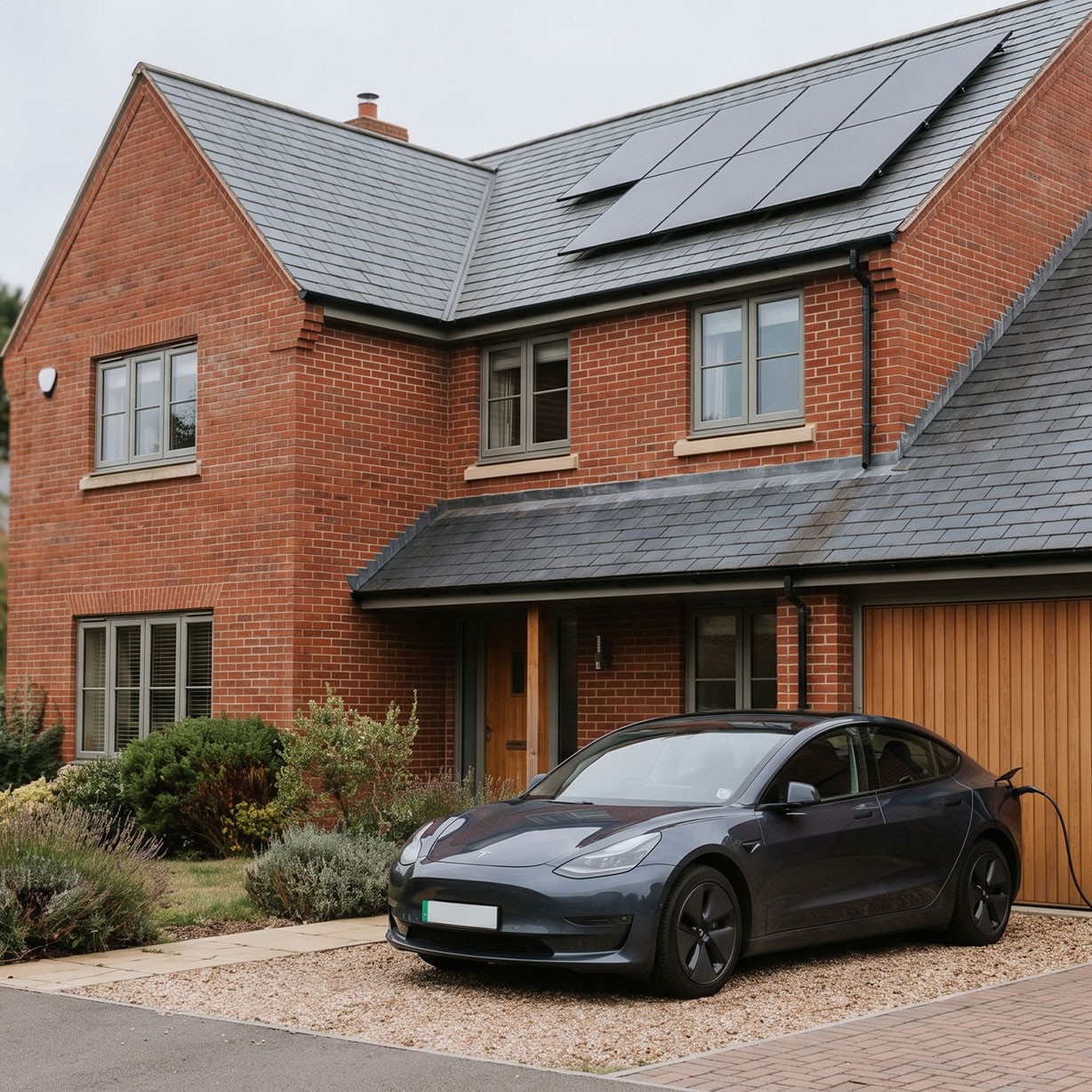
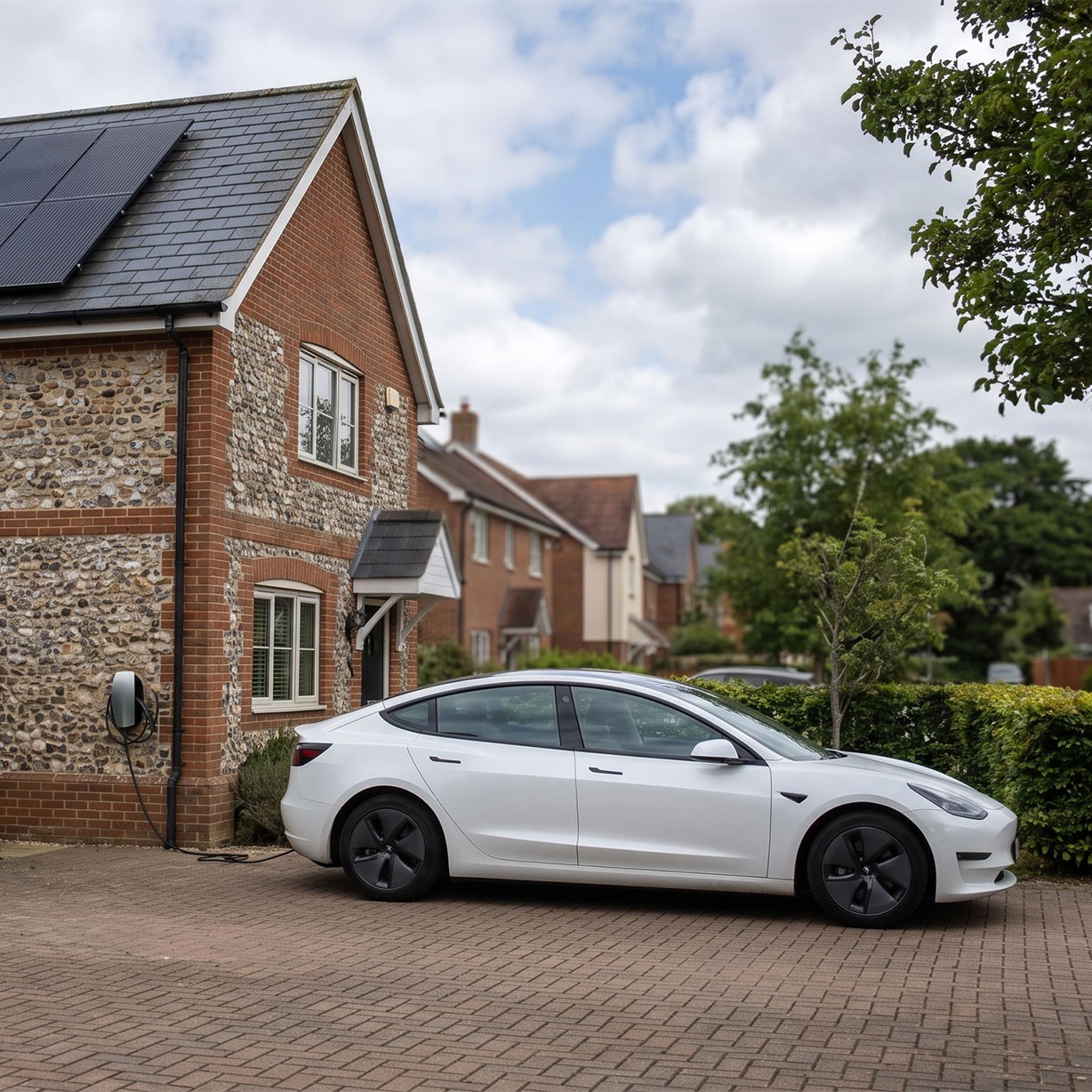
If your car is charged during the day, solar electricity may be used directly to support charging. If your car is usually charged in the evening, battery storage may help store solar electricity generated earlier.

A solar system for an EV owner should consider:

  • Current household electricity usage
  • Vehicle charging habits
  • How often the EV is charged
  • Whether charging happens during the day or evening
  • Battery storage requirements
  • Future vehicle plans
  • Charger compatibility
  • Roof generation potential

Solar panels, battery storage and EV charging should be planned together wherever possible.

A properly designed system can help reduce the cost of home charging and increase the long-term value of the solar installation.

Can You Earn Money From Excess Solar Electricity?

If your solar panels generate more electricity than your home is using, the surplus may be exported to the grid.

Eligible homeowners may be able to receive payments for exported electricity through an export tariff.

This can provide an additional financial benefit alongside reduced electricity bills.

However, export payments are usually not the main source of solar savings.

For most homeowners, the strongest value comes from using as much solar electricity as possible within the property.

This is because using your own solar electricity can reduce the amount bought from your supplier.

Battery storage can help increase self-consumption by storing unused electricity rather than exporting it immediately.

The best solar strategy usually combines direct usage, battery storage where suitable and export payments for any surplus electricity.

Find out more
Earning money from excess solar electricity

Understanding Solar Payback

Solar payback is the time it takes for energy savings and any export payments to recover the upfront cost of the system.

The payback period depends on:

  • Installation cost
  • Annual electricity savings
  • System size
  • Roof performance
  • Battery storage
  • Electricity prices
  • Export tariff arrangements
  • Household usage pattern
  • System lifespan

A home that uses a high proportion of its solar electricity may achieve stronger returns than a home that exports most of its generation.

Battery storage can improve self-consumption, although it also increases the upfront cost.

Solar panels should be viewed as a long-term investment. The greatest value usually comes over many years of reduced grid electricity usage.

Lifetime solar panel savings

Lifetime Solar Panel Savings

Solar panels can continue generating electricity for 25 years or more.

This long operating life is one of the reasons they can provide strong value over time.

The first stage of savings helps offset the installation cost. Once the system has paid for itself, the electricity generated after that point can create further financial benefit.

Lifetime savings depend on:

  • System quality
  • Installation standard
  • Electricity prices
  • Usage habits
  • Maintenance
  • Battery storage
  • Export tariffs
  • Equipment lifespan
  • Future energy demand

A well-designed system should not only focus on the first year of savings.

It should be designed to deliver reliable performance and value over the long term.

This is why professional design, quality components and honest savings projections are important.

Find out more

Can Working From Home Increase Solar Savings?

Working from home can increase the value of solar panels because more electricity may be used during daylight hours.

If you work from home, your property may use electricity for:

  • Computers and monitors
  • Lighting
  • Wi-Fi and office equipment
  • Heating controls
  • Kitchen appliances
  • Device charging
  • Air conditioning or cooling

This can align well with solar generation because the panels are producing electricity during the day.

Using solar electricity directly often provides strong value because it reduces grid imports immediately.

For home workers, solar panels can be a practical way to reduce the running cost of the property while supporting a modern working lifestyle.

Battery storage may still be useful if electricity usage continues into the evening.

How working from home increases solar savings
How to maximise solar panel savings

How to Maximise Solar Panel Savings

The best solar savings usually come from good system design and smart usage habits.

Ways to maximise solar savings include:

  • Choose the right system size
  • Use electricity during daylight hours where practical
  • Add battery storage where suitable
  • Consider future EV charging needs
  • Monitor your energy usage
  • Avoid unnecessary energy waste
  • Choose quality components
  • Keep panels performing properly
  • Understand export tariff options
  • Plan future home energy upgrades early

Small lifestyle changes can also help.

For example, running appliances during daylight hours may allow more electricity to be used directly from the solar panels.

A good installer should explain not only how the system works, but also how to use it effectively after installation.

Find out more

Why Accurate Savings Projections Matter

Solar savings should be explained clearly and realistically.

An accurate projection should consider your property, roof orientation, shading, system size, battery storage and electricity usage.

Generic savings claims can be misleading because they do not account for how individual households use electricity.

A reliable savings estimate should be based on:

  • Roof layout
  • Expected generation
  • Daytime and evening usage
  • Battery storage options
  • Current electricity costs
  • Export assumptions
  • Future energy requirements
  • System specification

At Pure Flux Energy, we believe homeowners should understand both the potential savings and the factors that affect them.

This helps customers make informed decisions rather than relying on unrealistic promises.

Why accurate solar savings projections matter

Our Solar Savings Assessment Process

Initial Consultation

We discuss your property, electricity usage and what you want your solar system to achieve.

1

Energy Usage Review

We assess how and when your household uses electricity.

2

Roof Assessment

Roof space, orientation, pitch, shading and access are reviewed.

3

System Design

A solar panel system is designed around your home and usage pattern.

4

Battery Storage Review

Battery options are considered where they may improve self-consumption and savings.

5

Savings Projection

We explain the likely performance, savings potential and payback considerations.

6

Clear Quotation

You receive a tailored quote based on the proposed system.

7

Professional Installation

The system is installed professionally, with support available after completion.

8

Ongoing Support

We remain available to help you understand system performance, monitoring and future upgrades.

9

Why choose Pure Flux Energy for solar savings

Why Choose Pure Flux Energy?

Pure Flux Energy helps homeowners understand solar savings clearly before making a decision.

We focus on tailored system design, honest advice and long-term performance rather than generic packages.

Why homeowners choose us:

  • Tailored savings guidance
  • Solar panel and battery expertise
  • Professional system design
  • Clear explanation of options
  • Support for EV charging
  • Long-term performance focus
  • Honest advice on suitability
  • Ongoing customer support

The right solar system should be designed around the property and the people using the energy.

Our aim is to help homeowners reduce electricity bills, make better use of renewable energy and understand the true long-term value of solar.

Contact Us

Find Out How Much You Could Save With Solar Panels

Every home is different. The best way to understand your potential solar savings is to assess your roof, electricity usage, battery storage options and future energy requirements.

Pure Flux Energy provides tailored solar panel and battery storage advice for homeowners across Essex and the surrounding counties.

Call us now on:

01268 857722

Reach out to discuss your requirements, ask questions about installation or schedule a consultation. 

Related Guides

Generate energy

Solar Panel Installation Essex

Whether you're looking to reduce household expenses, improve energy efficiency, charge an electric vehicle more affordably or future-proof your home, our experienced solar specialists provide tailored solar energy solutions designed around your property and energy usage.

Find out more

Store Energy

Solar Battery Storage Essex

A solar battery allows you to store electricity generated during the day and use it later when your home needs it most. Whether you already have solar panels or are planning a complete solar panel and battery system, Pure Flux Energy provides tailored battery storage solutions designed around your property.

Find out more

Clear solar pricing

Solar Panel Costs Essex

Clear guidance on solar panel costs in Essex, including what affects installation prices, how battery storage changes the overall investment and how to understand long-term savings.

Find out more

Reduce your travel costs

Solar Panels for Electric Vehicles

Use solar panels to help charge your electric vehicle at home, reduce reliance on grid electricity and create a smarter, more efficient home energy system.

Find out more

Is solar right for you?

Are Solar Panels Worth It?

Solar panels can be one of the most effective long-term home energy investments for homeowners looking to reduce electricity bills, generate their own power and protect against rising energy costs.

Find out more

Solar Panel Savings FAQs

How much can solar panels save?

expand_circle_down

Solar panel savings vary depending on your property, electricity usage, system size, roof performance and whether battery storage is installed. Homes that use more electricity during daylight hours can often make greater use of their solar generation, while battery storage can increase savings by storing unused electricity for later. The most accurate way to estimate savings is through a tailored assessment based on your roof, electricity bills and energy usage. Solar panels should be viewed as a long-term investment that helps reduce reliance on grid electricity over many years.

Do solar panels really reduce electricity bills?

expand_circle_down

Yes. Solar panels can reduce electricity bills by generating electricity that your home can use directly. During daylight hours, any electricity generated and used within the home reduces the amount imported from the grid. The level of savings depends on how much electricity the system produces and how much of that electricity is used. Battery storage can increase these benefits by storing surplus electricity for later use.

Can solar panels eliminate electricity bills completely?

expand_circle_down

Solar panels can significantly reduce electricity bills, but most homes will still remain connected to the grid. This is because solar generation varies throughout the day and across the seasons. Battery storage can further reduce reliance on the grid, but completely eliminating electricity bills is not realistic for every property. For most homeowners, the aim is to reduce energy costs and increase energy independence.

What affects solar panel savings the most?

expand_circle_down

The biggest factors affecting solar panel savings are system size, roof suitability, electricity usage and self-consumption. Self-consumption refers to how much of the electricity generated is used within the home rather than exported. Battery storage, EV charging and working from home can also influence savings. A professional assessment should consider all of these factors before estimating potential savings.

Do solar panels save more with a battery?

expand_circle_down

Yes, solar panels can save more with a battery if it allows you to use more of your own solar electricity. Without battery storage, surplus electricity may be exported to the grid. A battery stores that electricity for later use, reducing the need to buy electricity during the evening or periods of higher demand. The overall benefit depends on your energy usage and battery capacity.

Are solar panels worth it without battery storage?

expand_circle_down

Yes. Solar panels can still provide worthwhile savings without battery storage, particularly if your home uses electricity during daylight hours. They can reduce electricity bills by supplying power directly to the home. Homes with higher evening electricity demand may benefit from adding battery storage, and many homeowners choose to install a battery at a later date.

How does working from home affect solar savings?

expand_circle_down

Working from home can improve solar savings because more electricity is typically used while the panels are generating. Computers, lighting, appliances and other equipment increase daytime electricity demand, allowing more solar electricity to be used directly. A tailored assessment should take home working patterns into account when estimating savings.

Can solar panels save money for EV owners?

expand_circle_down

Yes. Solar panels can help electric vehicle owners save money by reducing the amount of grid electricity used for charging. Charging during the day allows solar electricity to be used directly, while battery storage can help support evening charging. Planning solar panels, battery storage and EV charging together can maximise the overall benefit.

What happens to unused solar electricity?

expand_circle_down

Unused solar electricity can usually be stored in a battery or exported to the grid. If battery storage is available, surplus electricity can be saved for later use. Otherwise, any excess electricity may be exported. Some homeowners may also be eligible for payments through an export tariff, depending on their supplier and tariff.

Can I get paid for excess solar electricity?

expand_circle_down

Eligible homeowners may be able to receive payments for excess electricity exported to the grid through an export tariff. While export payments can provide an additional benefit, using solar electricity within the home generally delivers the greatest value. Battery storage can help increase self-consumption by reducing the amount exported.

How long does it take for solar panels to pay for themselves?

expand_circle_down

The time it takes for solar panels to pay for themselves depends on factors such as installation cost, annual savings, electricity prices, system size, battery storage and any export payments received. Homes that use more of their own solar electricity may achieve a shorter payback period. A tailored assessment provides the most accurate estimate.

How can I maximise solar panel savings?

expand_circle_down

You can maximise solar panel savings by using more electricity during daylight hours while the panels are generating. Running appliances, charging devices and using energy monitoring tools can all help. Battery storage, correct system sizing, avoiding shading and planning for future EV charging can also improve long-term savings.

Do solar panels save money in winter?

expand_circle_down

Yes. Solar panels continue to generate electricity during winter, although output is lower because daylight hours are shorter. Winter generation still contributes to annual savings, and a solar system should always be assessed based on year-round performance rather than summer output alone.

Do solar panels save money on cloudy days?

expand_circle_down

Yes. Solar panels generate electricity from daylight rather than direct sunshine, so they continue to produce electricity on cloudy days. Although generation is lower during overcast conditions, the system can still help reduce household electricity demand and lower energy costs.

Is solar panel saving different for each home?

expand_circle_down

Yes. Solar panel savings vary between homes because factors such as roof orientation, shading, electricity usage and battery storage all affect performance. Household energy habits also influence how much solar electricity is used directly. Accurate savings estimates should always be based on the individual property.

Can solar panels protect against rising electricity prices?

expand_circle_down

Solar panels can help reduce exposure to rising electricity prices by generating electricity at home. Every unit of solar electricity used reduces the amount that may need to be purchased from the grid. While they do not eliminate all energy costs, they can provide greater control over long-term electricity spending.

Do larger solar systems save more money?

expand_circle_down

Larger solar systems can generate more electricity, but the best system is one that is matched to your roof, energy usage and storage capacity. Oversized systems may generate more electricity than the home can use, reducing the overall return. A balanced system design delivers the best long-term value.

Does roof direction affect savings?

expand_circle_down

Yes. Roof direction affects how much electricity solar panels can generate. South-facing roofs often provide strong performance, although east and west-facing roofs can also produce excellent results. Roof orientation should be considered alongside shading, roof pitch, available space and household electricity usage.

Are solar savings guaranteed?

expand_circle_down

No. Solar savings are estimates rather than guarantees because they depend on factors such as electricity prices, weather conditions, household energy usage and future consumption patterns. A reputable installer should provide realistic projections based on your property's circumstances.

How do I find out what my home could save?

expand_circle_down

The best way to understand what your home could save is to request a tailored solar assessment. This should consider your roof, electricity usage, current energy bills, battery storage options and future plans such as electric vehicle charging. A personalised assessment provides realistic guidance on potential savings, payback and long-term value.

keyboard_arrow_up