Generate your own power

Solar Panel Installation Essex

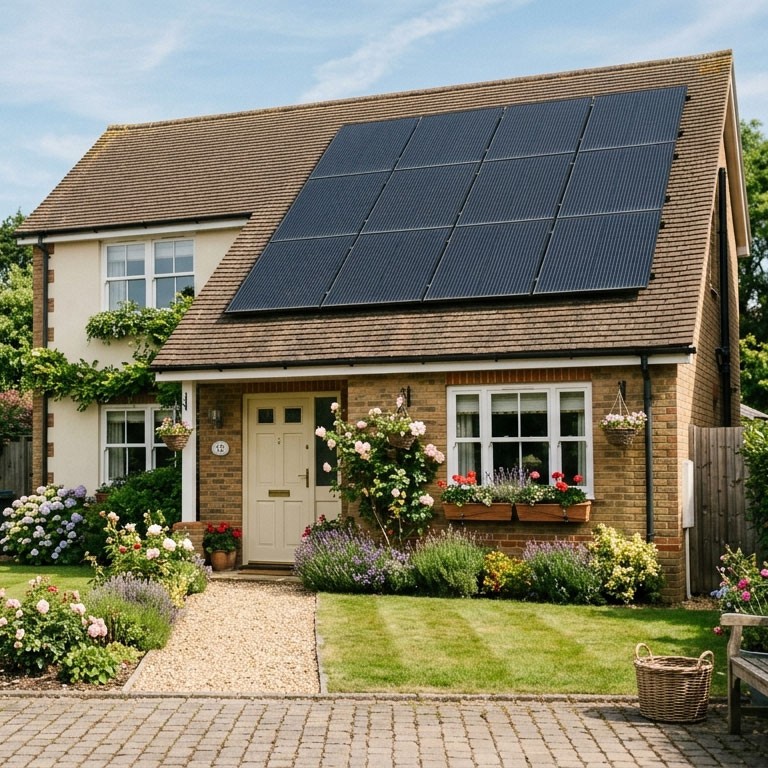
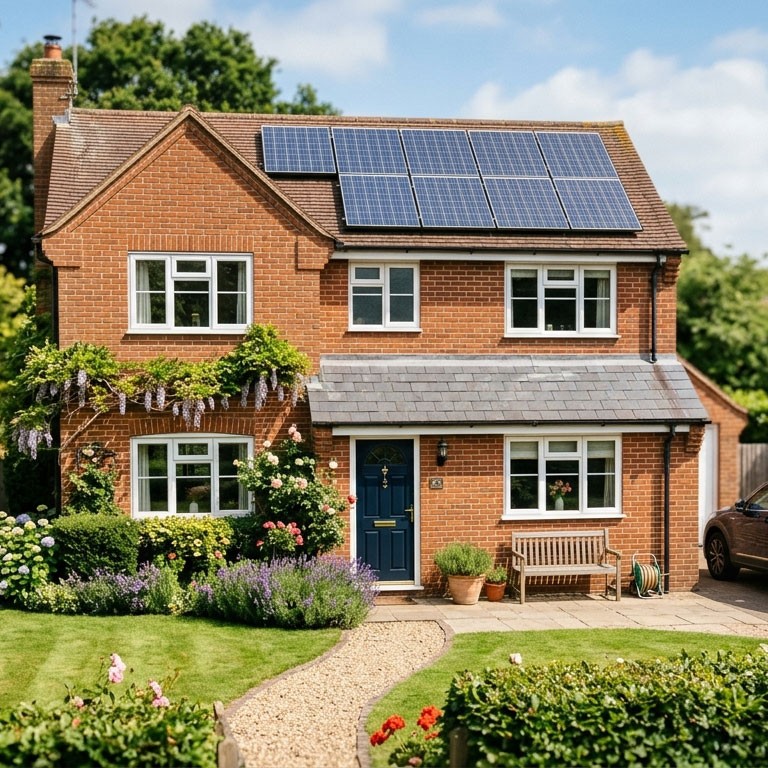
Professional solar panel installation across Essex, helping homeowners generate their own electricity, reduce energy bills and take greater control of rising energy costs.

Whether you're looking to reduce household expenses, improve energy efficiency, charge an electric vehicle more affordably or future-proof your home, our experienced solar specialists provide tailored solar energy solutions designed around your property and energy usage.

Get a Free Quote

Qualified Solar Installers

Solar Panels & Battery Systems

Residential & Commercial Installations

Tailored System Design

Free No-Obligation Quotations

Long-Term Energy Savings
Expert Solar Panel Installation in Essex

Solar energy has become one of the most effective ways for homeowners to reduce their reliance on energy suppliers and protect themselves against rising electricity costs.

At Pure Flux Energy, we design and install high-quality solar photovoltaic (PV) systems across Essex, helping homeowners generate clean, renewable electricity directly from their roofs.

Every property is different. The amount of electricity used, roof space available, future energy requirements and budget all play an important role in determining the right solar solution.

Our approach is simple. We take the time to understand your property and your objectives before designing a system that delivers maximum performance and long-term value.

Whether you are considering solar panels for the first time or looking to combine solar with battery storage, our team provides professional advice, quality installation and ongoing support.

Why More Homeowners in Essex Are Choosing Solar Energy

The reasons people install solar panels today are very different from those of ten years ago.

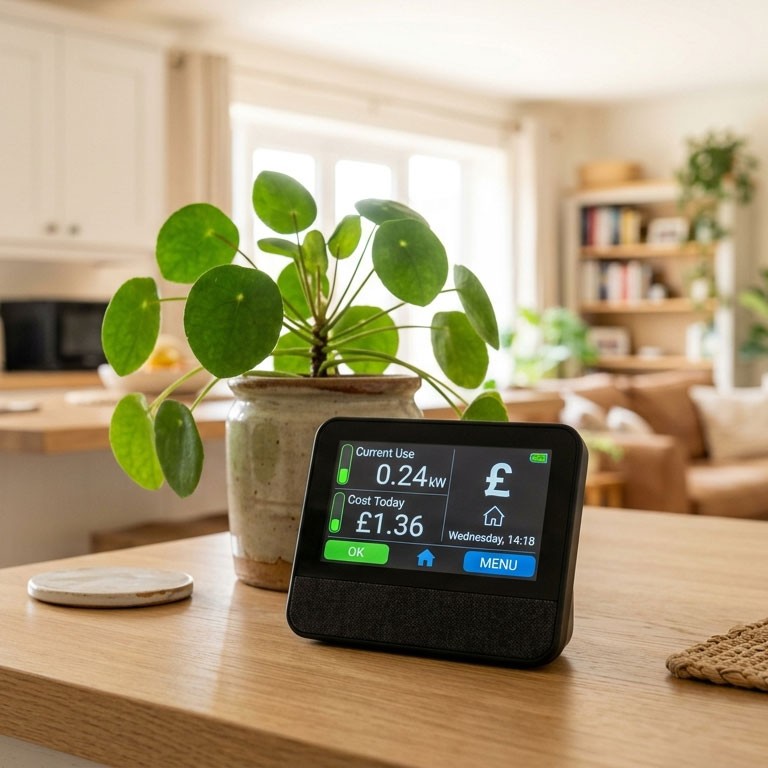
While environmental benefits remain important, the primary driver for many homeowners is reducing their energy costs and gaining greater control over their electricity usage.

Solar panels allow your property to generate electricity throughout the day using daylight. This electricity can be used immediately within the home, reducing the amount purchased from energy suppliers.

As electricity prices continue to fluctuate, generating your own power provides greater predictability and long-term financial benefits.

Benefits of installing solar panels include:

  • Lower electricity bills
  • Greater energy independence
  • Reduced reliance on the grid
  • Long-term return on investment
  • Renewable electricity generation
  • Potential increase in property value
  • Compatibility with battery storage systems
  • Reduced carbon emissions

Unlike many home improvements, solar panels continue delivering value for decades after installation.

Find out more
Why more homeowners in Essex are choosing solar energy

Benefits of Solar Panel Installation

Lower Energy Bills

Generate electricity during daylight hours and reduce the amount of power purchased from energy suppliers.

Energy Independence

Take greater control of your household electricity consumption and reduce reliance on the grid.

Long-Term Savings

Most systems continue producing electricity for 25 years or more, creating ongoing savings long after installation.

Renewable Energy

Generate clean, renewable electricity directly from your property.

Battery Storage ready

Store excess electricity for use later in the day and maximise your energy savings.

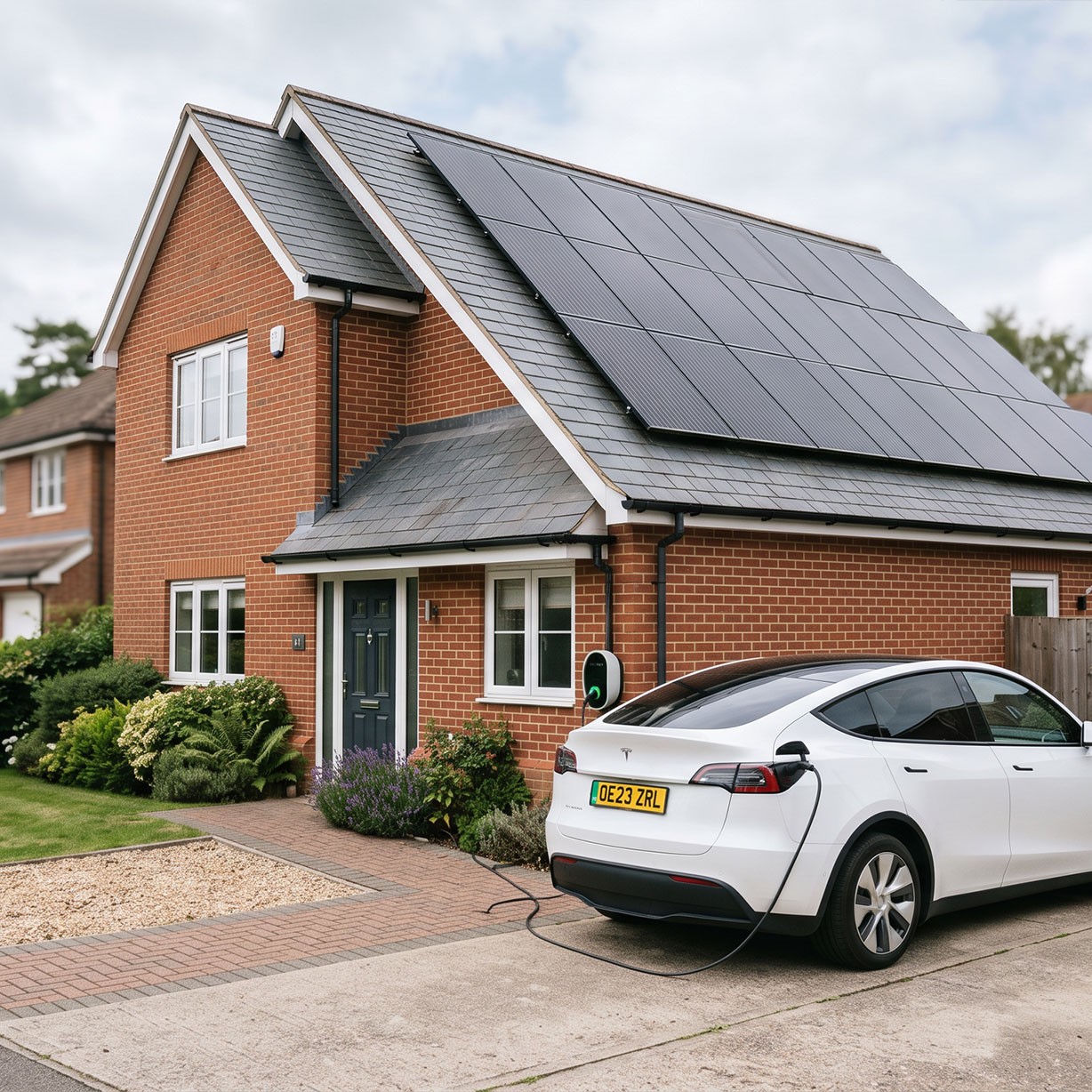
Electric Vehicle Charging

Use solar energy to help power your electric vehicle and reduce charging costs.

Property Value Benefits

Energy-efficient properties are increasingly attractive to buyers.

Future-Proof Your Home

Prepare your property for the growing demand for renewable energy solutions.

How solar panels work

How Do Solar Panels Work?

Solar panels generate electricity using photovoltaic cells that convert daylight into usable electrical energy.

When sunlight reaches the panels, an electrical current is created. This electricity is then converted into usable power through an inverter and supplied to your property.

The electricity generated can be used in three ways:

  • Used immediately within the home
  • Stored in a solar battery system
  • Exported back to the National Grid

Many people assume solar panels only work on bright sunny days. In reality, solar panels generate electricity whenever there is daylight, meaning they continue to produce power throughout the year, even during cloudy conditions.

While generation levels vary throughout the seasons, modern solar systems are highly efficient and continue contributing to household energy requirements year-round.

Is My Property Suitable For Solar Panels?

Most properties can benefit from solar panels, although system performance depends on several factors.

The key considerations include:

Roof Orientation

South-facing roofs typically generate the highest output, although east and west-facing roofs can also perform extremely well.

Roof Size

Larger roof areas provide more space for solar panels and greater generation capacity.

Shading

Trees, neighbouring buildings and roof features can affect performance.

Electricity Usage

Understanding your household energy consumption helps determine the ideal system size.

Future Requirements

Factors such as electric vehicles, battery storage or heat pumps may influence system design.

During our assessment process, we evaluate each of these factors and provide clear recommendations based on your property's specific circumstances.

How Much Can Solar Panels Save?

One of the most common questions homeowners ask is how much they can realistically save.

The answer depends on several factors, including:

  • Household electricity usage
  • System size
  • Roof orientation
  • Energy prices
  • Battery storage usage
  • Time spent at home during the day

For many households, solar panels can significantly reduce annual electricity costs.

Properties that combine solar panels with battery storage often achieve even greater savings because more of the generated electricity can be used within the home rather than exported.

While every property is different, solar panels are increasingly viewed as a long-term investment that delivers both immediate savings and future protection against rising energy costs.

Find out more
How much solar panels can save
Solar panels and battery storage systems

Solar Panels & Battery Storage Systems

Solar panels generate electricity during daylight hours. However, energy usage often peaks during the morning and evening when solar generation is lower.

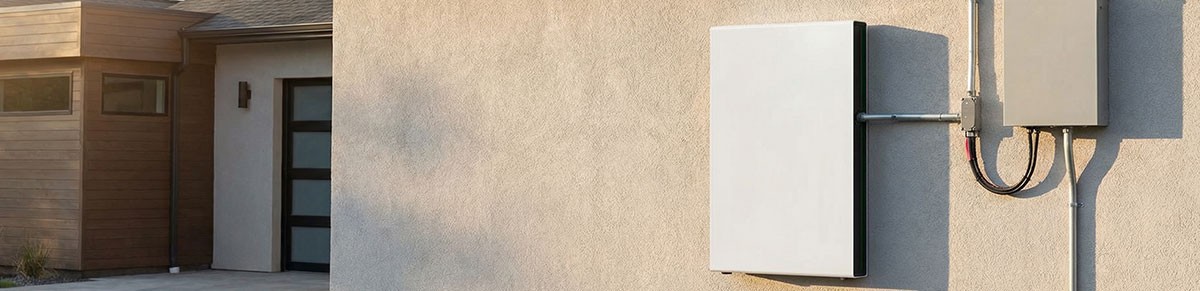
Battery storage solves this challenge by storing excess electricity generated during the day for use later.

Benefits of battery storage include:

  • Increased self-consumption
  • Reduced electricity imports
  • Greater energy independence
  • Enhanced savings
  • Better utilisation of solar generation
  • Improved electric vehicle charging capability

Battery systems are becoming increasingly popular among homeowners looking to maximise the return from their solar installation.

Solar Panels for Electric Vehicles

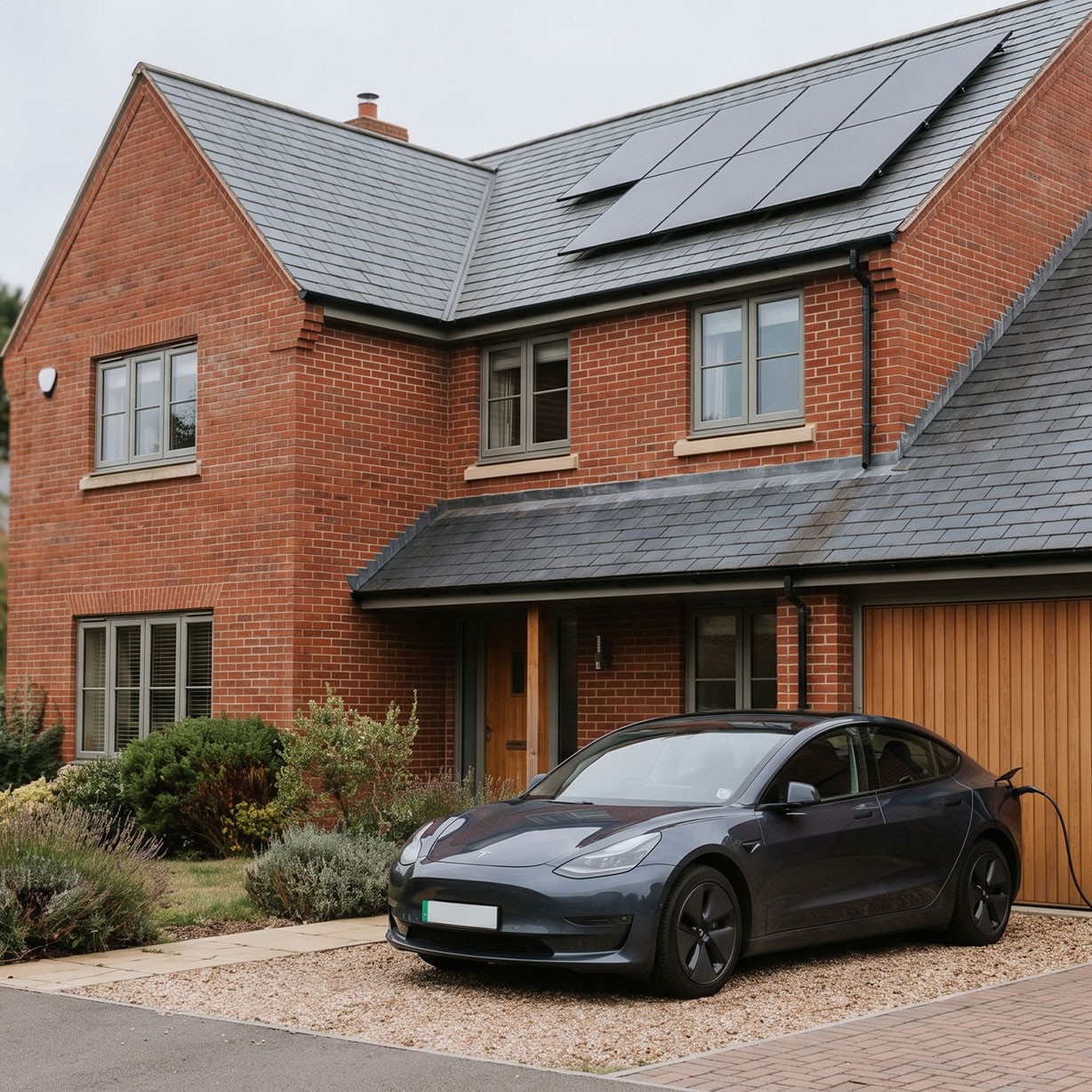
Electric vehicles and solar panels are a natural combination.

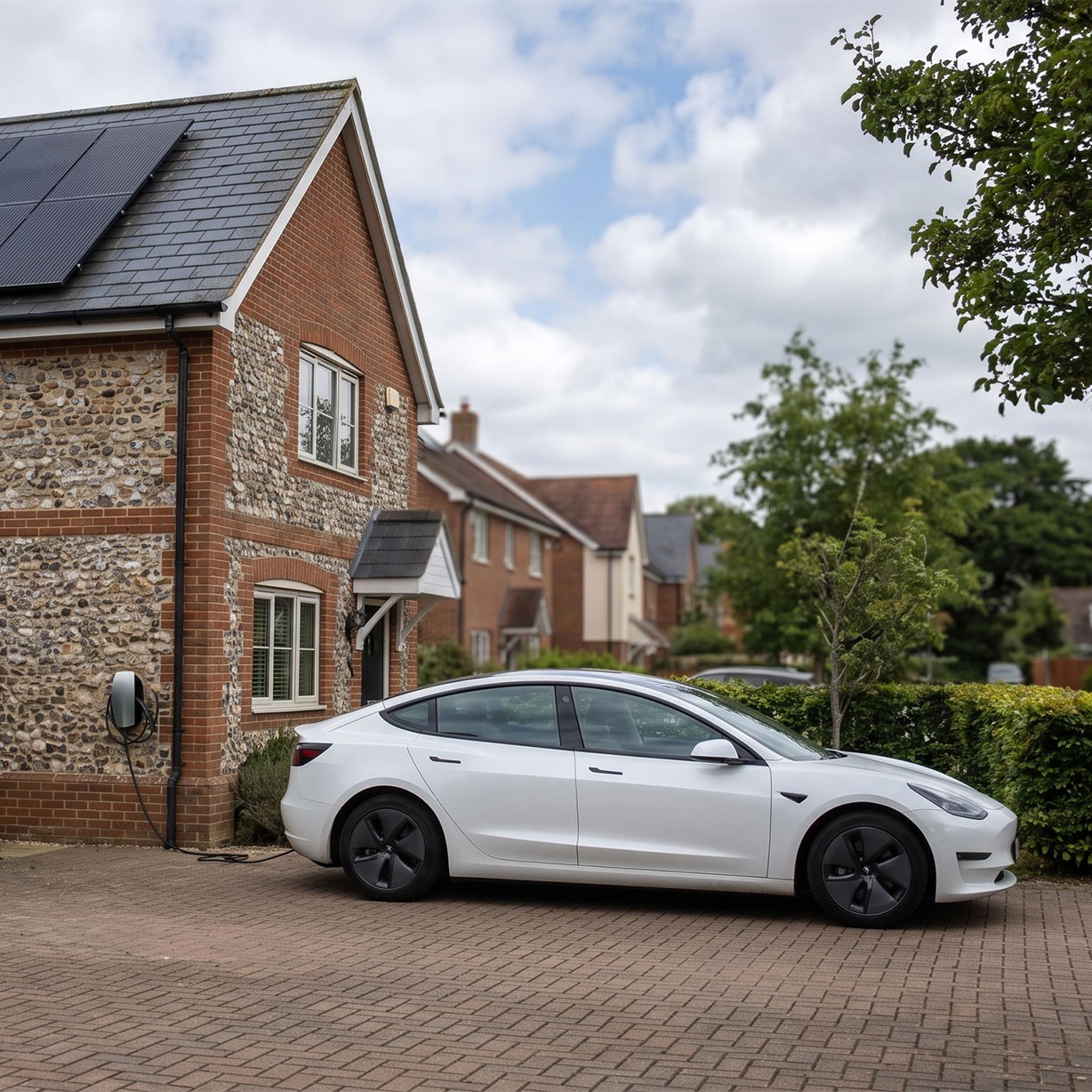
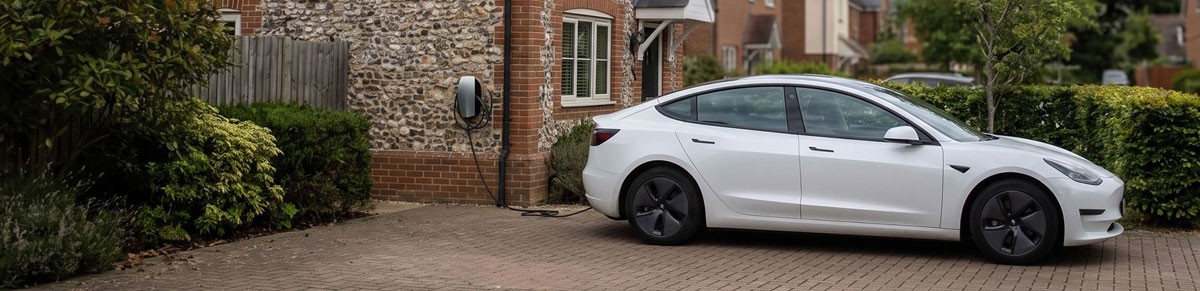
Rather than purchasing electricity from the grid to charge your vehicle, solar panels allow you to generate your own electricity and use it to power your car.

Benefits include:

  • Reduced charging costs
  • Greater energy independence
  • Lower running costs
  • Improved return on solar investment
  • Reduced environmental impact

For households with electric vehicles, system design should take future charging requirements into account to ensure sufficient generation capacity.

Find out more
Solar panels for electric vehicles

Our Solar Installation Process

Initial Consultation

We discuss your property, energy usage and objectives.

1

Site Assessment

Roof suitability, shading, orientation and energy consumption are reviewed.

2

System Design

A tailored solar solution is designed around your requirements.

3

Detailed Proposal

Clear recommendations and pricing are provided.

4

Installation

Our experienced team completes the installation efficiently and professionally.

5

Testing & Commissioning

The system is fully tested and configured for optimal performance.

6

Ongoing Support

Advice and support remain available long after installation.

7

Thinking About Installing Solar Panels?

Speak to our team for professional advice and a tailored quotation.

Get a Free Quote
Are solar panels worth it in Essex

Are Solar Panels Worth It in Essex?

For most homeowners, solar panels are considered one of the most effective long-term home improvements available.

Unlike many upgrades that offer convenience or aesthetics alone, solar panels have the potential to provide ongoing financial benefits throughout their lifespan.

Modern solar systems typically continue generating electricity for 25 years or more. During that time, homeowners benefit from lower electricity bills, protection against future energy price increases and the ability to generate their own renewable energy.

As electricity prices have increased over recent years, the financial case for solar has become significantly stronger. Many homeowners now view solar as a way of taking greater control over household running costs while simultaneously improving energy efficiency.

When combined with battery storage, solar panels can help maximise the amount of self-generated electricity used within the property, further increasing potential savings.

While every property and household is different, solar panels are increasingly viewed as a smart long-term investment that delivers value year after year.

Why Choose Pure Flux Energy?

Choosing the right installer is just as important as choosing the right solar system.

At Pure Flux Energy, we focus on delivering tailored renewable energy solutions that prioritise long-term performance, efficiency and value.

Our approach is based on understanding each property individually rather than offering one-size-fits-all systems.

Why homeowners choose us:

  • Qualified solar specialists
  • Tailored system design
  • Quality solar components
  • Honest, transparent advice
  • Professional installation
  • Ongoing customer support
  • Solar panel and battery expertise
  • Focus on long-term performance

We believe the best solar installation is not necessarily the largest system.

It is the system that has been correctly designed around your property, energy consumption and future requirements.

Find out more
Why choose Pure Flux Energy for solar panel installation

Contact Us

Get a Free Solar Panel Installation Quote in Essex

Thinking about installing solar panels?

Our experienced team can assess your property, explain your options and provide a tailored quotation based on your energy usage and future requirements.

Whether you're looking to reduce electricity bills, install battery storage or future-proof your home for electric vehicle charging, we're here to help.

Call us now on:

01268 857722

Reach out to discuss your requirements, ask questions about installation or schedule a consultation. 

Related Guides

Store Energy

Solar Battery Storage Essex

A solar battery allows you to store electricity generated during the day and use it later when your home needs it most. Whether you already have solar panels or are planning a complete solar panel and battery system, Pure Flux Energy provides tailored battery storage solutions designed around your property.

Find out more

Reduce your travel costs

Solar Panels for Electric Vehicles

Use solar panels to help charge your electric vehicle at home, reduce reliance on grid electricity and create a smarter, more efficient home energy system.

Find out more

Clear solar pricing

Solar Panel Costs Essex

Clear guidance on solar panel costs in Essex, including what affects installation prices, how battery storage changes the overall investment and how to understand long-term savings.

Find out more

How much can you save?

Solar Panel Savings

Understand how much solar panels can save, what affects your return and how solar battery storage can help homeowners use more of their own electricity.

Find out more

Is solar right for you?

Are Solar Panels Worth It?

Solar panels can be one of the most effective long-term home energy investments for homeowners looking to reduce electricity bills, generate their own power and protect against rising energy costs.

Find out more

Solar Panel Installation Essex FAQs

How much do solar panels cost in Essex?

expand_circle_down

The cost of solar panel installation in Essex depends on a variety of factors including the size of the system, the type of equipment used, roof complexity and whether battery storage is included.

Smaller residential systems typically require fewer panels and may suit households with lower electricity consumption, while larger properties often benefit from more extensive installations designed to offset greater energy usage.

When considering cost, it is important to look beyond the initial installation price and consider the long-term savings generated by the system. Solar panels can continue producing electricity for decades, helping homeowners reduce their dependence on energy suppliers and protect themselves against future price rises.

Every property is different, which is why a tailored quotation based on your home, roof layout and energy consumption will provide the most accurate indication of potential costs and savings.

How much can solar panels save each year?

expand_circle_down

Annual savings vary depending on electricity usage, system size, energy prices and whether battery storage is installed.

The more electricity a household uses during daylight hours, the greater the opportunity to benefit from self-generated energy. Households with battery storage can often increase savings further by storing unused electricity for use later in the day.

Savings are also influenced by future electricity prices. As energy costs rise, the value of each unit of electricity generated by your solar system increases.

Many homeowners find that solar panels provide both immediate reductions in electricity bills and long-term financial benefits throughout the lifespan of the system.

Do solar panels work on cloudy days?

expand_circle_down

Yes.

Solar panels generate electricity from daylight rather than direct sunshine. Although generation levels are lower during overcast conditions compared to bright summer days, modern solar panels continue producing electricity throughout the year.

This is particularly relevant in the UK where weather conditions vary significantly throughout the seasons.

Many people are surprised to learn that countries with similar climates have successfully adopted solar energy on a large scale. Modern panel technology has become increasingly efficient, allowing systems to perform effectively even when sunlight levels are reduced.

While output naturally fluctuates depending on weather conditions, solar panels remain a highly effective source of renewable electricity across Essex and the wider UK.

Are solar panels worth it in the UK climate?

expand_circle_down

Yes.

Despite common misconceptions, the UK provides sufficient daylight throughout the year for solar panels to generate meaningful amounts of electricity.

The financial case for solar has strengthened considerably due to rising energy prices, improvements in panel efficiency and reduced installation costs.

Rather than relying on direct sunshine, solar panels utilise daylight, meaning they continue producing electricity even during cloudy conditions.

For many homeowners, solar panels now offer a combination of lower electricity bills, energy independence, environmental benefits and long-term value that makes them an attractive investment.

How long do solar panels last?

expand_circle_down

Most high-quality solar panels are designed to operate for 25 years or more.

Modern panels degrade very slowly over time, meaning they continue generating electricity long after installation. While efficiency gradually reduces, many systems remain highly productive well beyond their original performance warranty period.

Other components such as inverters and batteries may have different lifespans and may require replacement during the overall life of the system.

Regular inspections and basic maintenance help ensure optimal performance and maximise the lifespan of the installation.

Can solar panels power an entire home?

expand_circle_down

Solar panels can supply a significant proportion of a household's electricity requirements, although the exact contribution depends on system size and energy usage.

Some homes generate enough electricity to meet the majority of their annual consumption, while others use solar as a way of reducing reliance on the grid.

Battery storage can help increase self-sufficiency by storing unused electricity for use during evenings and periods of lower generation.

The most suitable system size depends on your property, roof space and household energy demands.

Do I need a solar battery?

expand_circle_down

Not necessarily.

Solar panels can deliver significant benefits without battery storage.

However, batteries allow homeowners to store excess electricity generated during the day rather than exporting it immediately to the grid.

This stored energy can then be used later when electricity demand is higher, increasing self-consumption and reducing reliance on energy suppliers.

For many households, battery storage enhances the overall performance and financial return of a solar energy system.

Can I add a battery later?

expand_circle_down

Yes.

Many homeowners choose to install solar panels first and add battery storage at a later date.

This flexibility allows homeowners to spread investment over time while still benefiting from solar generation immediately.

If battery storage may be added in the future, it is often beneficial to consider this during the initial design stage so the system can be planned accordingly.

Will solar panels increase my property value?

expand_circle_down

Energy-efficient homes are becoming increasingly attractive to buyers.

While property values are influenced by many factors, solar panels can contribute positively by reducing running costs and improving overall energy performance.

As energy prices remain an important consideration for homeowners, renewable energy features are often viewed as a desirable addition to a property.

Do solar panels require maintenance?

expand_circle_down

Solar panels generally require very little maintenance.

Rainfall often helps remove dust and debris naturally, while occasional inspections can ensure the system continues operating efficiently.

It is also beneficial to monitor system performance periodically to identify any unexpected reductions in generation.

Most homeowners find solar panels to be one of the lowest-maintenance renewable energy technologies available.

How many solar panels do I need for my home?

expand_circle_down

The number of solar panels required depends on your electricity usage, available roof space, roof orientation and the amount of electricity you want to generate.

A household with relatively low electricity consumption may require a smaller system, while larger families, electric vehicle owners or properties with high energy demands may benefit from a larger installation.

The objective is not simply to fit as many panels as possible. A properly designed system should balance generation capacity, budget and future energy requirements.

During the design process, factors such as roof dimensions, shading, electricity usage patterns and future plans are assessed to determine the most appropriate system size for your property.

Do I need planning permission for solar panels?

expand_circle_down

In most cases, solar panels can be installed under permitted development rights and do not require planning permission.

However, there are exceptions. Listed buildings, conservation areas and certain protected properties may be subject to additional planning requirements.

Ground-mounted systems may also require separate consideration depending on size and location.

Before any installation takes place, it is always advisable to confirm whether specific planning restrictions apply to your property. An experienced installer can help guide homeowners through this process and identify any requirements at an early stage.

What is the Smart Export Guarantee (SEG)?

expand_circle_down

The Smart Export Guarantee, often referred to as SEG, allows homeowners to receive payments for excess electricity exported back to the National Grid.

When your solar system generates more electricity than your property is using, that surplus energy can be exported rather than wasted.

Energy suppliers participating in the scheme offer tariffs that pay homeowners for exported electricity. The exact rate varies depending on the supplier and tariff selected.

While SEG payments are typically not the primary reason for installing solar panels, they can contribute to the overall financial return of the system and provide an additional benefit alongside reduced electricity bills.

Do solar panels work during winter?

expand_circle_down

Yes, solar panels continue generating electricity throughout winter.

Although generation levels are lower than during the summer months due to shorter daylight hours and reduced sunlight intensity, modern solar panels still produce energy during winter conditions.

Many homeowners incorrectly assume solar systems stop working during colder weather. In reality, solar panels often perform efficiently in cooler temperatures and continue generating electricity whenever daylight is available.

Generation naturally varies throughout the year, but a properly designed solar system is intended to deliver value across all seasons.

What happens if there is a power cut?

expand_circle_down

Most standard solar panel systems automatically switch off during a power cut for safety reasons.

This protects engineers working on the electricity network and prevents electricity from being exported into damaged infrastructure.

However, certain battery storage systems can provide backup power functionality when configured appropriately.

If energy resilience during power outages is important to you, this can be considered during the design stage when selecting battery storage options and system components.

Can solar panels be installed on any roof?

expand_circle_down

Solar panels can be installed on many different roof types, but suitability depends on several factors.

Roof orientation, pitch, condition, available space and shading all influence performance.

Common roof types including tiled, slate and metal roofs are often suitable for solar panel installation. Flat roofs can also accommodate solar systems using specialist mounting frameworks.

A professional site survey helps determine whether a roof is suitable and identifies the best panel layout to maximise generation.

How long does solar panel installation take?

expand_circle_down

Most residential solar panel installations can be completed within one to three days, depending on system size and complexity.

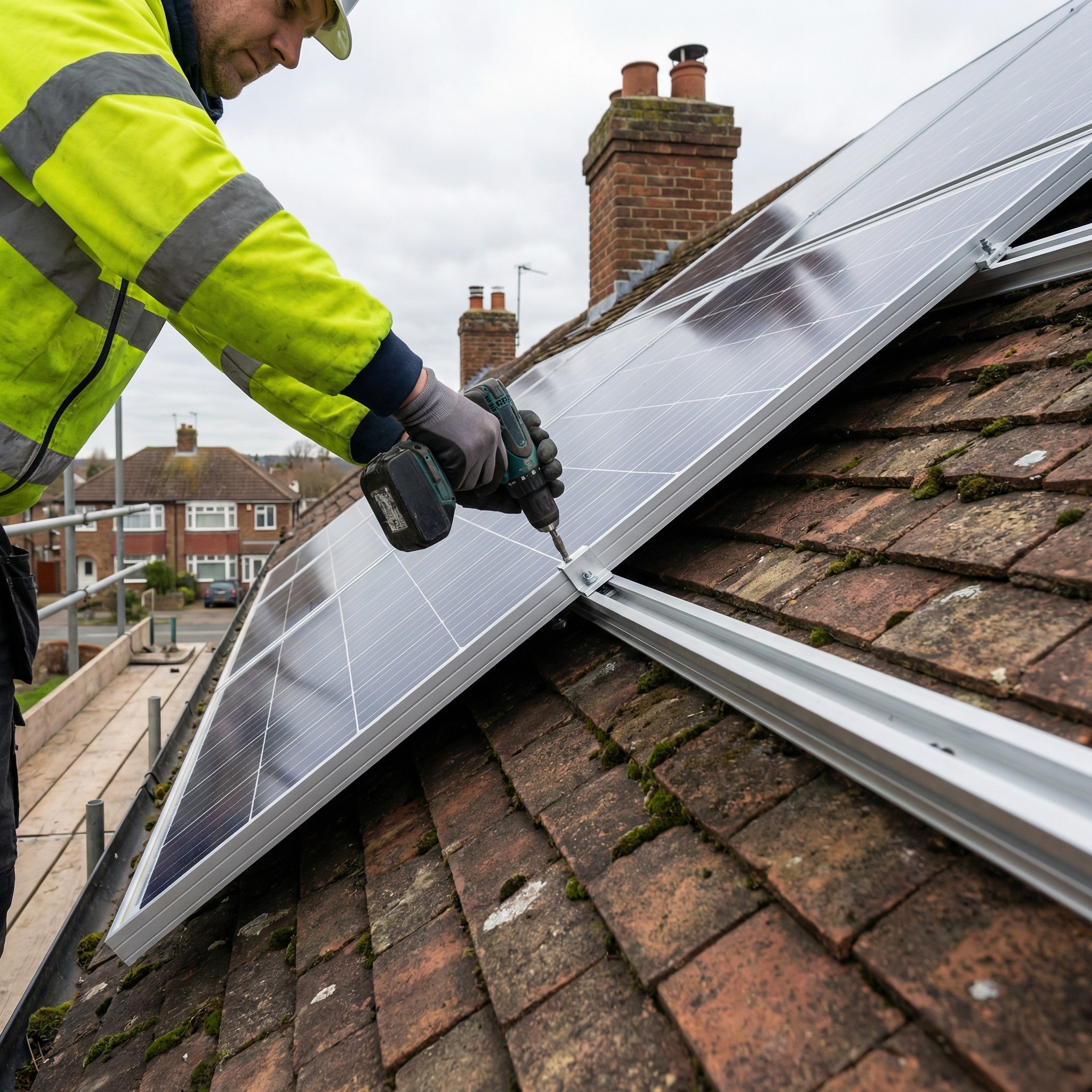
The process typically includes installing mounting equipment, fitting the solar panels, connecting electrical components and commissioning the system.

Larger systems, battery installations or properties with more complex roof structures may require additional time.

Prior to installation, system design, surveys and equipment procurement are completed to ensure the installation proceeds efficiently and with minimal disruption.

Are solar batteries worth it?

expand_circle_down

For many homeowners, solar batteries can significantly improve the overall value of a solar installation.

Without battery storage, excess electricity generated during the day is often exported to the grid. A battery allows that energy to be stored and used later when household demand is higher.

This can increase self-consumption, reduce electricity imports and improve energy independence.

Whether a battery is worthwhile depends on factors such as electricity usage patterns, budget and long-term objectives. Many homeowners now choose battery storage as part of a complete renewable energy solution.

Can solar panels help reduce carbon emissions?

expand_circle_down

Yes.

Solar panels generate renewable electricity without producing direct carbon emissions during operation.

By generating electricity on-site, households reduce their reliance on electricity generated from fossil fuels and contribute to a lower-carbon energy system.

For many homeowners, environmental benefits sit alongside the financial advantages of lower electricity bills and improved energy efficiency.

Solar energy remains one of the most accessible and effective renewable technologies available for residential properties.

Why is professional system design important?

expand_circle_down

The performance of a solar installation depends heavily on how the system is designed.

A properly designed system considers roof orientation, shading, electricity consumption, future energy requirements and battery compatibility.

Simply installing the maximum number of panels is not always the best approach. The most effective systems are designed around the specific needs of the property and household.

Professional design helps maximise generation, improve financial returns and ensure the system continues delivering value for many years to come.

Should I install solar panels now or wait?

expand_circle_down

Many homeowners ask whether it is worth waiting for future technology improvements.

While solar technology continues to develop, modern systems are already highly efficient, reliable and capable of delivering significant savings.

The longer a homeowner delays installation, the longer they continue purchasing electricity that could potentially be generated by their own system.

For many households, the financial benefits of starting to generate electricity sooner outweigh the potential benefits of waiting for future developments.

Can solar panels work with future home upgrades?

expand_circle_down

Yes.

Solar systems can often be designed with future expansion in mind.

Many homeowners who initially install solar panels later add battery storage, electric vehicle chargers or heat pumps. Considering these future requirements during the initial design stage can help ensure compatibility and maximise long-term performance.

A well-planned solar system can become the foundation of a broader home energy strategy, helping homeowners reduce energy costs and improve overall efficiency for years to come.

keyboard_arrow_up